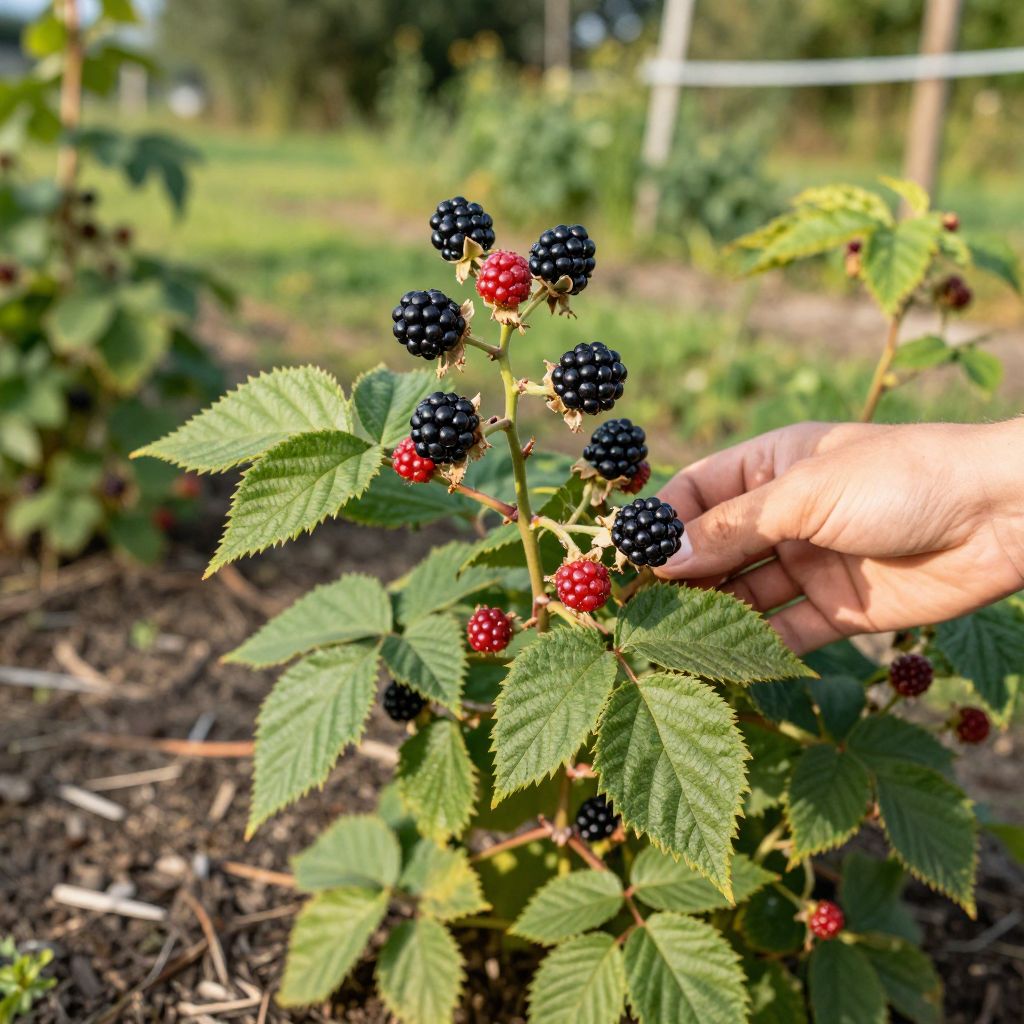
When is blackberry season? If you want the best flavor, the answer depends on your climate, the type of blackberry, and whether you’re growing an early, midseason, or late cultivar. In many home gardens, blackberries begin ripening in late spring to midsummer, with harvest sometimes stretching into early fall.
Knowing the season helps you time pruning, watering, and harvest so you get sweeter berries and healthier canes. It also helps you plan for the plant’s growth cycle, since blackberries fruit on canes that are usually in their second year.
When is blackberry season?
Blackberry season usually runs from late spring through summer, but exact timing varies by region, variety, and weather. In warm climates, berries may ripen earlier; in cooler areas, harvest often starts later and can continue for several weeks. A plant’s age and pruning also affect when fruit appears.
What affects blackberry ripening time?
Several factors influence when your berries are ready. If you understand them, you can better predict harvest and avoid picking too early.
Climate and local weather
Blackberries ripen faster in warm, sunny weather and slower during cool springs or extended cloudy periods. A late frost can delay flowering, which pushes harvest back.
Variety type
Different blackberry cultivars ripen at different times. Some are bred to produce early crops, while others are naturally later. If you’re buying plants, check the expected harvest window rather than assuming all blackberries ripen at the same time.
Canes and plant age
Most blackberries fruit on second-year canes, called floricanes. First-year canes, or primocanes, usually grow leaves and stems but do not produce the main crop until the following season, unless you are growing a primocane-fruiting type.
Sun exposure
Blackberries in full sun tend to ripen more evenly and produce better flavor. Plants in partial shade may still fruit, but harvest can be later and less abundant.
How to tell when blackberries are ready to pick
Blackberries do not ripen much after picking, so timing matters. Look for berries that are fully black, plump, and glossy, with no red or purple areas remaining. They should detach easily with a gentle tug and taste sweet rather than sharp or tart.
- Color: fully black, not red or partly red
- Texture: firm but not hard
- Ease of picking: comes off the receptacle without force
- Flavor: sweet, aromatic, and balanced
If the berry resists or still looks dull and red-tipped, leave it for another day or two. Picking too early is one of the most common mistakes home gardeners make.
Typical blackberry season by region
Because blackberry season depends so much on climate, think in terms of a window rather than a fixed date. Here is a general guide you can adapt to your area.
- Warm southern climates: often late spring into early summer
- Temperate regions: usually early to mid-summer
- Cooler northern or higher-elevation areas: mid- to late summer
- Primocane-fruiting types: may produce a later crop that extends into early fall
Local microclimates matter too. A sheltered south-facing wall may ripen berries earlier than an open, windy site. Low spots that stay cool can delay flowering and fruiting.
Growing blackberries for a better season
If you want a reliable blackberry harvest, focus on site selection and cane management. Healthy plants produce more fruit, ripen more evenly, and are easier to pick.
Best growing conditions
- Sun: at least 6 to 8 hours of direct sun
- Soil: fertile, well-drained soil with plenty of organic matter
- Drainage: avoid waterlogged sites, which can weaken roots
- Airflow: good circulation helps reduce disease pressure
Blackberries tolerate a range of soils, but they perform best where the ground drains well and holds moisture without becoming soggy. If your soil is heavy clay, raised beds or mounded rows can help.
Planting and spacing basics
Give blackberry plants room to spread. Crowded canes make harvesting harder and can slow ripening by reducing light and airflow. Exact spacing depends on the growth habit, but many home gardeners allow several feet between plants and train canes along a support system.
A trellis, fence, or wire support keeps canes upright and makes seasonal pruning easier. It also helps you spot ripe fruit more quickly.
Watering during fruit development
Consistent moisture matters most from flowering through harvest. Dry stress can lead to smaller berries, poor filling, and uneven ripening. Water deeply when the top layer of soil begins to dry, especially during hot spells.
Try to water at the base of the plant rather than overhead. Wet foliage can encourage disease, especially in humid weather.
Mulch and compost
A 2- to 4-inch layer of organic mulch can help conserve moisture, suppress weeds, and moderate soil temperature. Compost worked into the soil before planting supports steady growth, but avoid piling mulch directly against the crown or stems.
Pruning and seasonal care that affect harvest time
Pruning is one of the biggest factors in blackberry productivity. Done correctly, it improves light penetration, encourages strong cane growth, and helps fruit ripen more evenly.
Why pruning matters
Blackberries can become tangled fast. If old canes are left in place, they compete with new growth and can harbor pests and disease. Removing spent canes after fruiting keeps the plant focused on the next season’s crop.
Basic pruning approach
- Remove canes that have already fruited after harvest.
- Keep strong new canes for next year’s crop.
- Thin out weak, damaged, or overcrowded stems.
- Train remaining canes onto a support system.
Use clean, sharp pruners to make tidy cuts. If you’re unsure whether a cane is first- or second-year growth, look for the one that fruited and is now drying or browning after harvest.
Common problems that delay blackberry season
Sometimes berries are late or poor-quality because of a growing issue rather than the calendar. Catching these problems early can improve the current season and the next one.
Too much shade
Plants that do not get enough sun may flower weakly and ripen slowly. If possible, move young plants or trim nearby trees and shrubs to improve light.
Overcrowded canes
Dense growth reduces air movement and sunlight. Thin canes regularly so the plant is productive instead of tangled.
Inconsistent watering
Long dry periods followed by heavy watering can stress plants and affect berry size. Aim for even moisture, especially while fruit is forming.
Pests and diseases
Birds, cane borers, aphids, spider mites, and fungal diseases can reduce harvest quality. Watch for damaged leaves, wilting canes, holes in stems, or fruit that molds before ripening.
To reduce problems:
- Remove old fruiting canes promptly
- Keep weeds down around the base
- Pick ripe fruit often so it does not overstay on the plant
- Inspect canes regularly for damage or dieback
How to harvest blackberries at peak flavor
Harvest every two to three days during peak season, or more often in warm weather. Ripe berries can soften quickly, so frequent picking helps you catch them at their best.
Use shallow containers so the berries do not crush under their own weight. Pick in the cool part of the day if possible, and handle fruit gently.
Harvest tips
- Pick only fully black berries
- Leave underripe fruit for the next round
- Do not force berries off the cane
- Keep harvested fruit out of direct sun
If birds are getting to your crop first, netting can help protect ripening fruit. Install it before berries turn fully black so the crop is protected during the most vulnerable stage.
Can you extend blackberry season?
You can often stretch harvest time by planting more than one variety with different ripening windows. In some gardens, an early cultivar, a midseason cultivar, and a later one can provide a longer picking period.
Primocane-fruiting blackberries may also extend the season because they can produce later-season fruit on first-year canes. Check plant tags or nursery descriptions so you know what kind you’re growing.
Quick seasonal checklist for blackberry growers
- Plant in full sun with well-drained soil
- Mulch to conserve moisture and reduce weeds
- Water consistently during flowering and fruiting
- Prune out spent canes after harvest
- Watch for pests, disease, and overcrowding
- Harvest when berries are fully black and easy to remove
Conclusion
Blackberry season usually arrives from late spring through summer, but the exact timing depends on your climate, variety, and plant care. If you want the best harvest, give your plants sun, steady moisture, and regular pruning, then pick berries as soon as they are fully black and sweet.
For more help with berry care, you may also want to read about pruning brambles for better fruiting and choosing the best berry plants for your garden.