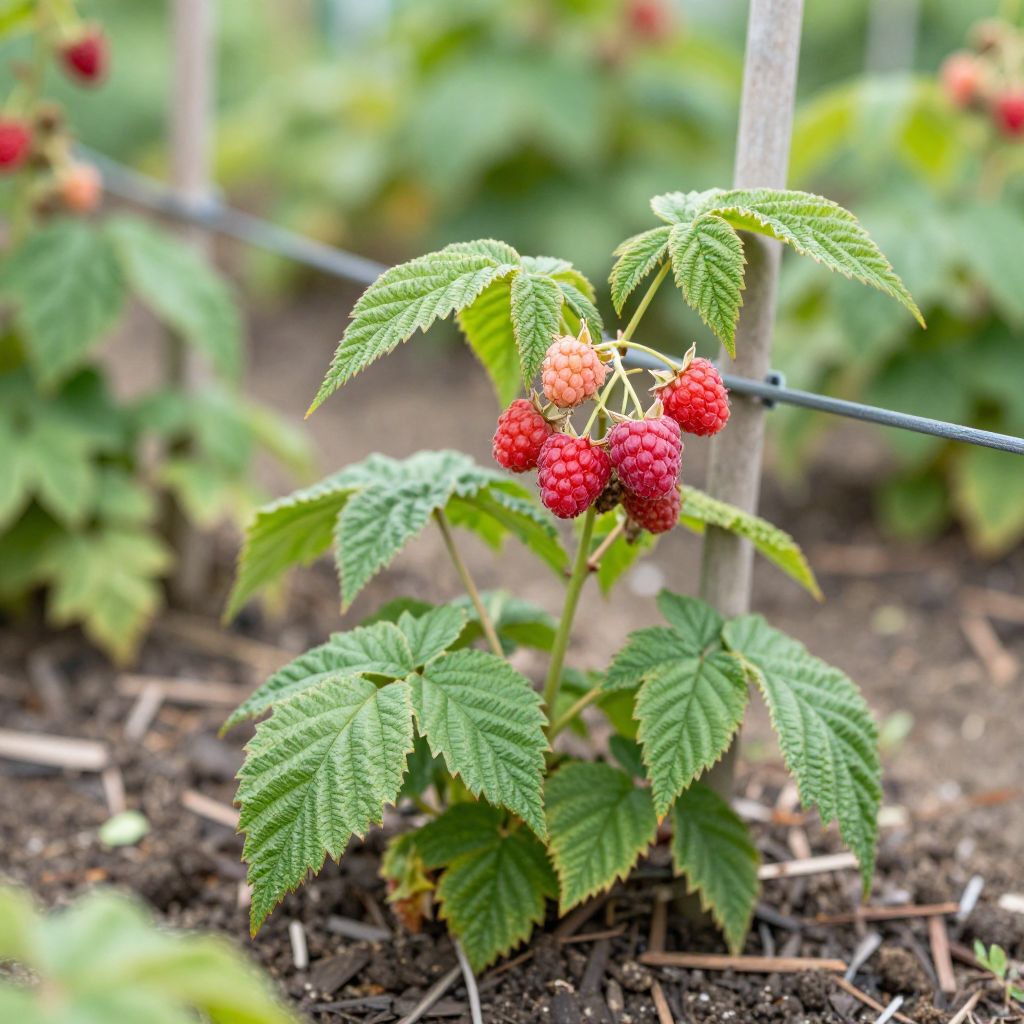
When is raspberry season? If you’re hoping to pick sweet, ripe berries at the right moment, the answer depends on your climate, variety, and whether your plants are summer-bearing or everbearing. In most gardens, raspberries ripen from late spring through early fall, with the biggest flush often landing in summer.
Knowing the season also helps you prune correctly, water at the right time, and avoid common harvest mistakes. With a little planning, you can stretch your raspberry harvest over several weeks and keep plants productive year after year.
When is raspberry season?
Raspberry season usually runs from late spring to early fall, but the exact timing depends on your region and the type of raspberry you grow. Summer-bearing raspberries ripen once a year, while everbearing or fall-bearing types can produce a summer crop and then a second crop in late summer or autumn.
Understanding raspberry types and harvest timing
The biggest factor in raspberry season is the plant’s fruiting habit. If you know which type you have, you can predict harvest timing much more accurately than by calendar date alone.
Summer-bearing raspberries
Summer-bearing raspberries produce one main crop on canes that grew the previous year. In many climates, fruit ripens in early to midsummer, often over a period of a few weeks.
These plants are a good choice if you want a concentrated harvest for fresh eating, freezing, or preserving.
Everbearing or fall-bearing raspberries
Everbearing raspberries can fruit on first-year canes, usually in late summer or fall. In some areas, they may also produce a smaller crop on the same canes the following early summer, depending on how they are pruned.
If you want a longer raspberry season, these types are often the easiest way to extend harvests.
How climate changes the season
Cooler regions usually have a shorter season and later ripening. Warmer climates may start earlier, but heat can shorten the harvest window and reduce berry quality if plants are stressed.
Local frost dates, summer temperatures, and sun exposure all affect ripening. A raspberry patch in partial shade or a cold valley may ripen later than one in a warm, sheltered garden bed.
How to tell when raspberries are ripe
Raspberries do not ripen much after picking, so timing matters. Harvest when berries are fully colored, plump, and release easily from the plant with a gentle tug.
- Color: The berry should be evenly colored for its variety.
- Texture: It should look full and slightly soft, not hard or pale.
- Ease of picking: Ripe berries slip off the receptacle easily.
- Flavor: Taste a berry before picking a large amount; ripe fruit should be sweet and aromatic.
If the berry resists when you pull, leave it for another day or two. If it falls apart in your hand, it may be overripe.
Growing conditions that affect raspberry season
Healthy plants ripen earlier and more reliably, so seasonal timing is closely tied to growing conditions. Raspberries perform best in full sun, fertile soil, and steady moisture without waterlogging.
Sunlight
Give raspberries at least 6 hours of direct sun daily, and more is usually better. In cooler climates, full sun helps berries ripen fully. In very hot areas, light afternoon shade can reduce stress, but too much shade delays ripening and lowers yields.
Soil and drainage
Raspberries prefer rich, well-drained soil with plenty of organic matter. They dislike heavy, soggy ground, which can slow growth and increase root problems.
Before planting, work in compost to improve soil structure. If your soil stays wet after rain, consider raised beds or a better-drained site.
Watering
Consistent moisture supports berry development, especially during flowering and fruit fill. Irregular watering can lead to small, dry berries or a shortened harvest.
Water deeply at the base of the plant rather than sprinkling the foliage. Mulch helps hold moisture and keeps roots cooler during the season.
Planting for a better raspberry season
If you want a reliable harvest, planting correctly matters as much as choosing the right variety. Raspberries establish best in a site that stays sunny, fertile, and open enough for air circulation.
- Choose a site with full sun and good drainage.
- Remove perennial weeds before planting.
- Mix compost into the topsoil to improve fertility and structure.
- Set canes or rooted plants at the same depth they were growing before.
- Water well after planting and mulch lightly around the base.
Space matters too. Crowded canes shade each other, increase disease pressure, and make harvest harder. Good spacing helps fruit ripen evenly and keeps the planting productive.
Pruning and seasonal care
Pruning directly affects when raspberries fruit and how long the season lasts. The wrong cut can remove next year’s crop or create a tangled patch that ripens poorly.
Pruning summer-bearing raspberries
After harvest, remove the canes that fruited this year at ground level. Leave the new green canes that will produce next season’s berries.
In late winter or early spring, thin weak or crowded canes and tie the strongest canes to support wires or a trellis if needed.
Pruning everbearing raspberries
You can manage everbearing raspberries in two common ways:
- One fall crop: Cut all canes to the ground in late winter for a simpler pruning routine and a single late-season harvest.
- Two crops: Leave some canes to fruit in early summer, then manage the new canes for a second crop in fall.
If you are unsure which method fits your climate, choose the simpler one-crop approach. It is often easier for beginners and can reduce pest and disease buildup.
Common problems that can shorten raspberry season
Several issues can delay ripening, reduce berry size, or end the season early. Catching them early helps you protect both the current crop and next year’s harvest.
Pests
Birds, cane borers, aphids, and fruit-feeding insects may damage berries or reduce yield. In some gardens, birds are the biggest issue as fruit begins to color.
Use netting to protect ripening fruit, and inspect canes regularly for wilted tips, holes, or sticky residue. Remove damaged canes promptly.
Diseases
Raspberries are prone to fungal problems when plants are crowded or foliage stays wet. Common signs include leaf spots, cane dieback, and fruit that molds before harvest.
To reduce disease pressure:
- Water at the base, not overhead.
- Keep rows open and well pruned.
- Remove old fruiting canes after harvest.
- Pick ripe berries often so overripe fruit does not rot on the plant.
Weather stress
Late frost can damage blossoms, while heat and drought can cause berries to dry out or ripen unevenly. Heavy rain near harvest may make fruit softer and more prone to mold.
If your area has unpredictable spring weather, choose a mix of summer-bearing and everbearing types to spread risk and extend the season.
How to harvest raspberries the right way
Pick raspberries gently and often. Harvesting every one to two days during peak season helps keep plants productive and prevents fruit from overripening.
- Pick in the cool part of the day if possible.
- Use shallow containers so berries are not crushed.
- Handle fruit lightly; raspberries bruise easily.
- Remove any damaged or moldy berries from the harvest container.
Ripe raspberries should come away cleanly. If you have to pull hard, wait and try again later.
Extending your raspberry season
You can lengthen your harvest window by planting more than one type and by managing the patch carefully. A mix of early, midseason, and everbearing varieties can keep fruit coming for a longer stretch.
Other helpful strategies include:
- Growing raspberries in a sunny, sheltered location.
- Mulching to conserve moisture and moderate soil temperature.
- Pruning correctly so canes are not overcrowded.
- Picking fruit promptly to encourage continued ripening.
In colder climates, a protected site can help berries ripen a little earlier. In hot climates, a bit of afternoon shade and steady watering may improve fruit quality and keep the season going longer.
What to do after the harvest
Once the main crop ends, do not ignore the patch. Post-harvest care helps set up the next season’s fruiting canes and keeps the planting healthy.
- Remove spent canes according to the type you grow.
- Cut out weak, broken, or diseased growth.
- Top up mulch to conserve moisture and suppress weeds.
- Check supports and tie in new canes if needed.
A light compost top-dressing can help maintain soil fertility, but avoid piling rich material directly against the canes.
Conclusion
When is raspberry season? In most gardens, it begins in late spring or summer and may continue into early fall, depending on the type you grow and your local climate. To get the best harvest, match your pruning to the raspberry type, keep plants in full sun, and pick berries as soon as they ripen.
If you want to plan your berry patch more effectively, consider reading more about growing raspberries and home raspberry care for additional seasonal guidance.