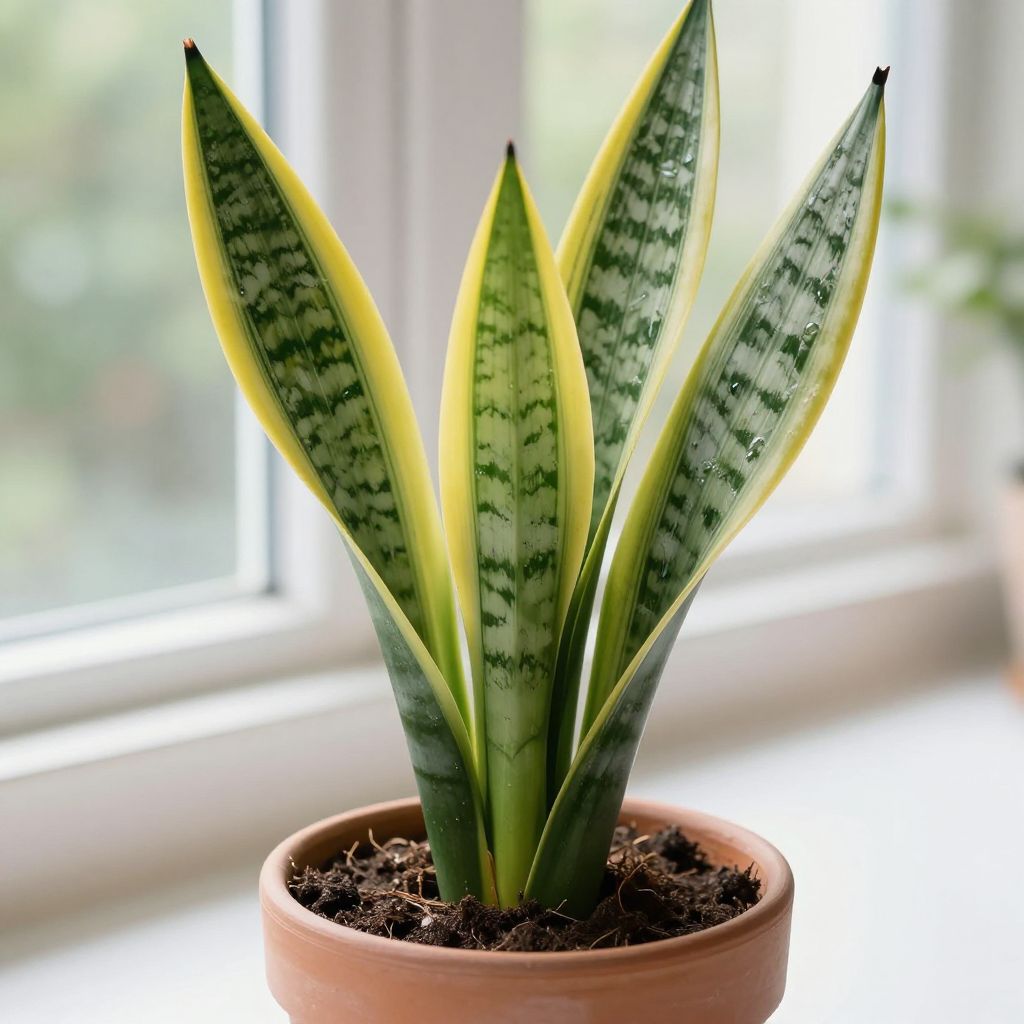
Why is my snake plant turning yellow? In most cases, the problem is too much water, poor drainage, or stress from light or temperature changes. Snake plants are tough, but they still react quickly when their roots stay wet or when conditions shift too abruptly.
The good news is that yellow leaves are often fixable if you catch the cause early. By checking the soil, pot, roots, and growing conditions, you can usually stop the decline and help your snake plant recover.
Why is my snake plant turning yellow?
A snake plant turning yellow is usually reacting to overwatering, soggy soil, root rot, low light, cold damage, or occasional pest issues. Start by checking the potting mix: if it stays wet for days, the roots may be stressed. Fix the growing conditions first, because yellow leaves rarely turn green again.
Common causes of yellow snake plant leaves
1. Overwatering
This is the most common reason snake plants yellow. Snake plants store water in their leaves and roots, so they need the soil to dry out between waterings.
When the roots sit in wet soil, they cannot take up oxygen properly. The leaves may turn pale yellow, feel soft, and eventually collapse.
Signs of overwatering include:
- Yellowing leaves, especially near the base
- Soft, mushy, or wrinkled stems at soil level
- Soil that still feels damp several days after watering
- A pot that seems heavy for its size
Fix: Stop watering until the mix dries out completely. If the soil stays wet too long, repot into a fast-draining cactus or succulent mix and trim away rotten roots.
2. Poor drainage or the wrong pot
Even perfect watering habits can fail if the pot does not drain well. Snake plants need a container with a drainage hole and a free-draining mix.
Decorative cachepots, nursery pots set inside outer pots, or heavy garden soil can trap water around the roots. That trapped moisture often leads to yellowing.
Check for these drainage problems:
- No drainage hole in the pot
- Compact, dense potting mix
- Saucer or cachepot holding standing water
- Roots packed tightly in a pot that dries unevenly
Fix: Move the plant into a pot with drainage holes and a gritty, airy mix. Empty any saucer after watering.
3. Root rot
If yellow leaves are paired with a bad smell, mushy roots, or a collapsing base, root rot may already be underway. This usually follows chronic overwatering or poor drainage.
Healthy snake plant roots are firm. Rotten roots are brown, black, slimy, or foul-smelling. The plant may look thirsty even though the soil is wet, because damaged roots cannot function properly.
Fix: Remove the plant from the pot, cut away rotten roots with clean scissors, and let the healthy sections dry briefly before repotting in fresh mix. Water lightly after repotting, then wait until the soil dries before watering again.
4. Too much direct sun
Snake plants tolerate bright light, but harsh direct sun can scorch or bleach the leaves, especially if the plant was moved suddenly from low light to a sunny window or outdoors.
Sun stress may show up as yellow patches, pale leaves, or dry, crispy areas on the side facing the light. This is different from the soft yellowing caused by overwatering.
Fix: Give the plant bright, indirect light, or filtered morning sun. If it has been in strong sun, move it gradually to a gentler spot to avoid more stress.
5. Too little light
Snake plants can survive in low light, but prolonged dim conditions can weaken them. In very dark spaces, growth slows and leaves may lose color or become thin and weak.
Low light usually causes gradual fading rather than sudden yellowing. You may also notice the plant leaning toward a window or producing fewer new leaves.
Fix: Place the plant near a bright window with indirect light. Rotate the pot every few weeks so growth stays even.
6. Cold stress or drafts
Snake plants prefer warm indoor conditions and can yellow after exposure to cold windows, chilly drafts, or sudden temperature drops. This is common in winter when leaves touch a freezing pane or sit near an exterior door.
Cold-damaged leaves may turn yellow, then brown and limp. The damage often appears on the side of the plant closest to the cold source.
Fix: Move the plant away from cold glass, vents, and drafty doors. Keep it in a stable indoor temperature rather than letting it swing sharply from warm to cold.
7. Fertilizer stress
Snake plants do not need heavy feeding. Too much fertilizer can damage roots and lead to yellowing, especially if the plant is already stressed by low light or excess moisture.
Overfertilized plants may show yellow tips, leaf burn, or a general decline after feeding. This is more likely with strong liquid fertilizers or repeated applications.
Fix: Flush the soil with clean water if you suspect fertilizer buildup, then let it drain thoroughly. In the future, feed sparingly during active growth only, and avoid fertilizing a stressed plant.
8. Pests
Mealybugs, scale, and spider mites can weaken a snake plant and contribute to yellowing. These pests are more likely on plants that are already stressed.
Look closely at leaf joints, undersides, and the base of the plant. Mealybugs appear as white cottony clusters, scale as small brown bumps, and spider mites may leave fine webbing or speckled leaves.
Fix: Isolate the plant, wipe pests off with a damp cloth or cotton swab, and treat repeatedly until they are gone. Check nearby houseplants too, since pests can spread.
How to diagnose the problem step by step
- Check the soil moisture. Stick a finger 2 inches into the mix. If it feels wet, hold off watering.
- Inspect the pot. Make sure it has drainage holes and is not sitting in water.
- Look at the leaves. Soft yellow leaves suggest overwatering; dry, bleached, or crispy areas suggest sun or cold stress.
- Examine the base and roots. Gently lift the plant if needed. Rotten roots need immediate action.
- Review recent changes. Think about new light, a move, fertilizing, repotting, or a sudden temperature shift.
- Check for pests. Inspect leaf bases and undersides carefully.
How to save a yellowing snake plant
If the soil is wet
- Stop watering right away.
- Remove the plant from any decorative outer pot.
- Improve airflow around the plant.
- If the mix is dense or sour-smelling, repot into fresh, well-draining soil.
If roots are rotten
- Unpot the plant and shake off excess soil.
- Cut away black, mushy roots with clean, sterilized scissors.
- Let healthy tissue dry briefly before repotting.
- Use a clean pot with drainage holes and fresh mix.
If light is the issue
- Move the plant to bright, indirect light.
- Avoid sudden exposure to strong afternoon sun.
- Rotate the pot occasionally for balanced growth.
If pests are present
- Isolate the plant from others.
- Remove visible pests by hand.
- Repeat treatment weekly until no pests remain.
- Clean the pot rim, leaf bases, and nearby surfaces.
Should you cut off yellow snake plant leaves?
Yes, but only after you address the cause. A yellow leaf will not usually turn green again, so removal can improve appearance and reduce stress on the plant.
If a leaf is mostly yellow or mushy, cut it off at the base with clean, sharp scissors or pruners. If only the tip is yellow, you can trim the damaged portion, but the leaf may still look uneven.
Do not remove too many leaves at once. Keep enough healthy foliage for the plant to recover and continue photosynthesis.
How to prevent yellowing in the future
- Use a pot with drainage holes.
- Choose a chunky, fast-draining succulent or cactus mix.
- Water only when the soil has dried out well.
- Place the plant in bright, indirect light.
- Protect it from cold drafts and sudden temperature swings.
- Feed lightly, if at all, during active growth.
- Inspect regularly for pests and root problems.
For indoor plants, the biggest seasonal change is usually winter. Lower light levels and slower evaporation mean the soil dries more slowly, so you may need to water less often than in summer. Outdoor snake plants, where climate allows, may also need protection from heavy rain and cold snaps.
When yellowing is normal and when it is not
Older outer leaves can occasionally yellow and die as part of natural aging, especially on mature clumps. That is usually slow and limited to one or two lower leaves.
It is more concerning when multiple leaves yellow at once, the base turns soft, or the plant declines quickly. In that case, treat it as a growing-condition problem rather than normal aging.
Conclusion
If you are wondering why your snake plant is turning yellow, start with the soil and roots first. In most cases, correcting watering, drainage, or light will stop the decline. Check the plant today, remove any badly damaged leaves, and make one careful adjustment at a time so you can see what helps.
If you want to keep improving your houseplant care, it also helps to read more about snake plant soil and drainage basics and how to repot houseplants without stressing the roots.