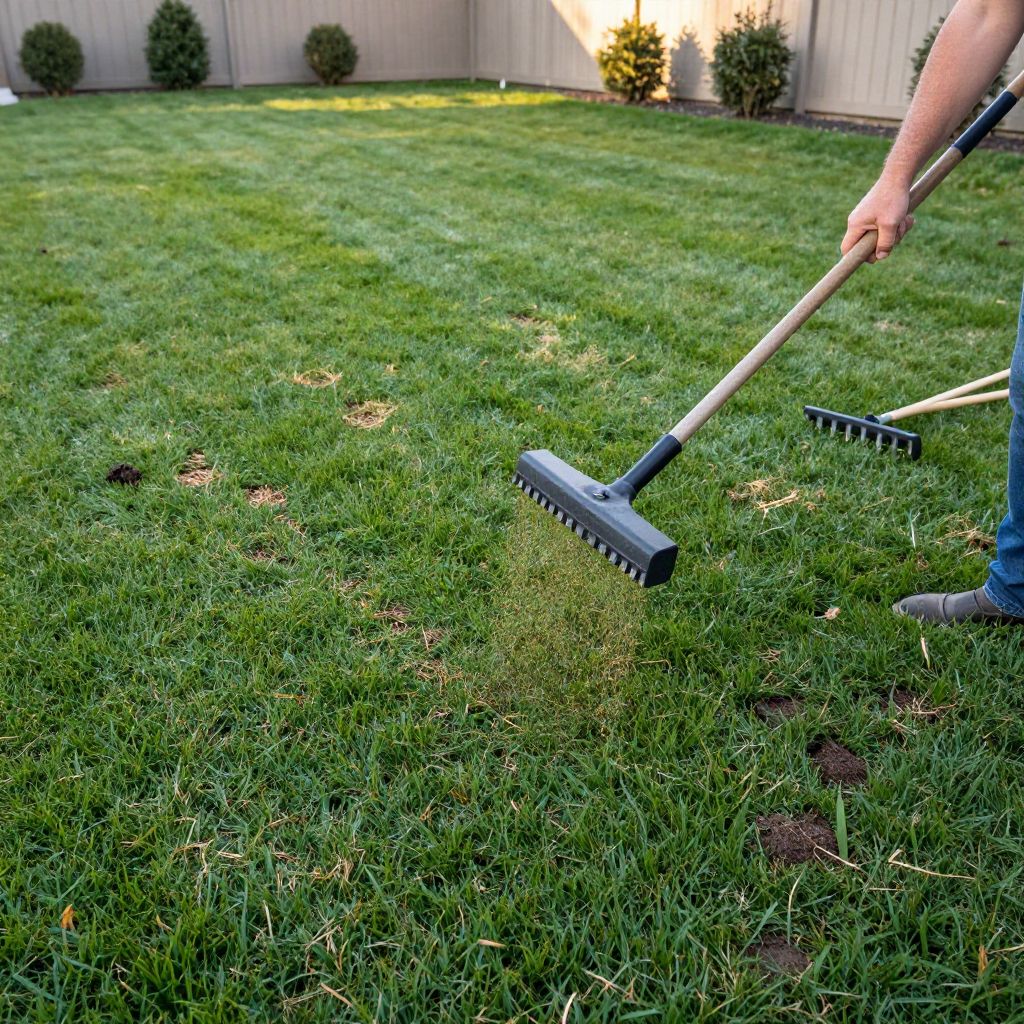
When is the best time to overseed your lawn? The short answer is when your grass is actively growing, soil temperatures are favorable, and weeds are less competitive. For most cool-season lawns, that means late summer to early fall. For warm-season lawns, late spring through early summer is usually better.
The exact timing depends on your grass type, climate, and the condition of your lawn. Overseeding at the right time helps new seed germinate quickly, compete with weeds, and establish before heat, cold, or drought stress sets in.
When is the best time to overseed your lawn?
The best time to overseed your lawn is usually during the grass’s peak growing season: early fall for cool-season grasses and late spring to early summer for warm-season grasses. Aim for mild temperatures, good soil moisture, and enough time for seedlings to establish before extreme weather arrives.
Why timing matters so much
Overseeding works best when existing grass is still growing strongly enough to support recovery, but not so stressed that it cannot compete with new seedlings. Seed needs consistent moisture, good seed-to-soil contact, and manageable competition from weeds and established turf.
If you seed too early, weeds may outgrow the seedlings. If you seed too late, young grass may face heat, cold, drought, or frost before it is ready.
What you are trying to match
- Soil temperature for germination
- Air temperature for steady top growth
- Moisture for seedling survival
- Low weed pressure for better establishment
Best overseeding time by grass type
Cool-season grasses
For lawns made up of cool-season grasses such as Kentucky bluegrass, perennial ryegrass, tall fescue, or fine fescues, the best overseeding window is generally late summer to early fall. In many regions, this is the most reliable time because soil is still warm, air temperatures are cooling, and weed pressure is lower.
Fall overseeding gives seedlings enough time to root in before winter, and the lawn often recovers faster than it would in spring.
Warm-season grasses
For warm-season lawns such as bermudagrass, zoysiagrass, centipedegrass, or St. Augustinegrass, overseed in late spring through early summer, once the lawn is actively growing and frost risk has passed. Warm soil speeds germination, and the grass has the rest of the warm season to fill in.
Be careful not to overseed too late in the season, because young warm-season seedlings need time to establish before cooler weather slows growth.
How to choose the right timing for your climate
Local weather matters more than the calendar. A lawn in a cool mountain climate will need a different overseeding window than one in a mild coastal area or a hot inland region.
Use these signs to guide your timing:
- Soil is workable and not waterlogged
- Daytime temperatures are mild for your grass type
- Nights are cooling off for cool-season lawns
- Rain or irrigation can be managed for consistent germination
- Weeds are slowing down rather than surging
If you are unsure, check local extension guidance or compare your lawn’s growth pattern with seasonal weather rather than relying only on a month on the calendar.
Signs your lawn is ready to be overseeded
Overseeding is most useful when the lawn is thin, patchy, or recovering from stress but still has enough healthy turf to support new growth. You do not need a completely bare lawn for overseeding to help.
Good candidates for overseeding
- Thin turf with visible soil between grass plants
- Small bare patches from foot traffic or pet damage
- Lawn that has thinned after heat, shade, or drought stress
- Older turf that needs improved density
When overseeding may not be enough
- Large areas of dead turf with compacted soil
- Severe drainage problems
- Heavy shade where grass struggles year after year
- Lawns dominated by weeds, moss, or thatch
In those cases, you may need to fix the underlying problem first, or reseed more aggressively after renovation.
How to overseed a lawn step by step
Good overseeding is more than scattering seed. The goal is to create contact between seed and soil while reducing competition and giving seedlings a chance to root.
- Mow the lawn lower than usual, but not so low that you scalp it.
- Rake out debris, dead grass, and excessive thatch so seed can reach the soil.
- Loosen compacted areas with a core aerator if needed.
- Spread seed evenly using a broadcast or drop spreader.
- Lightly rake or topdress so some seed is nestled into the soil surface.
- Apply a thin layer of compost or screened topsoil only if needed to improve contact.
- Water gently and consistently to keep the top layer moist during germination.
For many lawns, aerating before overseeding improves results significantly, especially if the soil is compacted or the turf is worn.
Soil preparation that improves germination
Seed germinates best in loose, moist soil with good contact and enough oxygen. If the surface is crusted, compacted, or covered in thick thatch, seedlings struggle to root.
Helpful prep tasks
- Core aeration to relieve compaction
- Light dethatching if the thatch layer is thick
- Topdressing with compost to improve surface structure
- Leveling small low spots so water does not pool
Avoid burying seed too deeply. Most lawn seed needs only shallow coverage, not several inches of soil.
Watering after overseeding
Watering is one of the most important parts of overseeding. Newly sown seed should not dry out, but it also should not sit in soggy soil.
Keep the top layer of soil consistently moist until germination. That often means light, frequent watering rather than long soakings at first, then gradually transitioning to deeper, less frequent watering once seedlings are established.
Common watering mistakes
- Letting the seedbed dry out even once during germination
- Overwatering to the point of puddling or runoff
- Using a strong spray that washes seed away
- Switching too quickly to a mature-lawn watering schedule
If your area is windy, hot, or very sunny, you may need more frequent light watering to prevent the surface from drying too quickly.
Fertilizer, mowing, and lawn care after overseeding
New grass needs the right balance of support and restraint. Too much fertilizer can push weak, tender growth, while mowing too early can pull seedlings out of the soil.
After seeding
- Use a starter fertilizer only if appropriate for your lawn and soil conditions.
- Keep foot traffic off the area as much as possible.
- Wait until the new grass is tall enough before mowing.
- Use a sharp mower blade to reduce tearing.
When mowing for the first time, remove only the top portion of the grass blade and avoid cutting too short. Young seedlings are easier to damage than established turf.
Weed control and overseeding
Weeds compete strongly with new grass, so timing matters here too. Overseeding is often easiest when weed pressure is naturally lower, which is one reason fall is so effective for cool-season lawns.
Be cautious with herbicides around seeding. Some weed preventers can interfere with grass seed germination, and some post-emergent products can stress seedlings. Always check the product label before using anything on a newly overseeded lawn.
Better weed-management approach
- Mow existing weeds before they seed
- Improve turf density so weeds have less room to establish
- Address drainage and thin spots that invite weed invasion
- Use herbicides only when compatible with seeding plans
Common overseeding problems and fixes
Seed germinates unevenly
This often happens when the seedbed dries out, seed is spread unevenly, or some areas are more compacted than others. Reseed thin spots, improve soil contact, and keep moisture even.
Birds eat the seed
Lightly cover the seed with compost, topsoil, or straw where appropriate. Avoid heavy covering that blocks germination.
Seedlings turn yellow or stall
This can happen from poor drainage, nutrient imbalance, traffic, or mowing too soon. Check the soil and reduce stress while the grass is young.
New grass is crowded out by weeds
You may have seeded at the wrong time or skipped preparation. Improve turf density next season and choose a more favorable seeding window.
How long overseeded grass takes to establish
Germination time depends on grass type, soil temperature, moisture, and seed quality. Some grasses sprout quickly, while others take longer to show visible growth. Even after germination, seedlings need several weeks to develop roots and withstand normal lawn use.
Do not judge success only by the first green shoots. The real goal is a thicker, healthier lawn after the seedlings have had time to mature.
Practical seasonal guide
- Early spring: Useful in some cases, but often less ideal for cool-season lawns because weeds and summer stress follow soon after.
- Late spring to early summer: Best for warm-season lawns that are actively growing.
- Late summer to early fall: Best for most cool-season lawns.
- Late fall: Usually too late for reliable establishment in many climates, especially for cool-season lawns.
Conclusion: choose the window that matches your grass
If you are asking when is the best time to overseed your lawn, the answer is simple: seed when your grass is in its strongest growth phase and the weather supports quick germination. For most lawns, that means fall for cool-season turf and late spring to early summer for warm-season turf.
Before you start, mow, clean up the surface, improve soil contact, and plan your watering. If you want to keep building a healthier lawn, consider reading more about lawn aeration and how to improve compacted soil for better overseeding results.