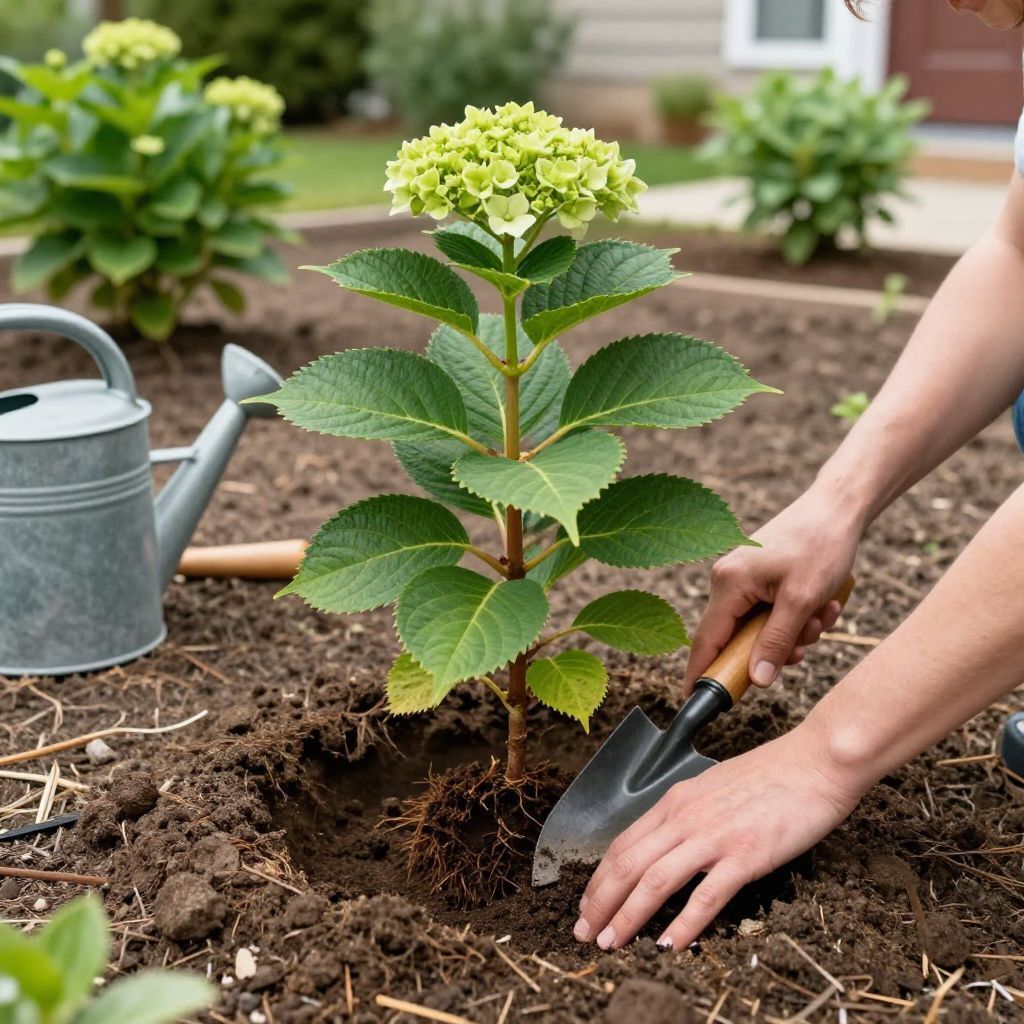
Wondering when is the best time to plant hydrangeas? The short answer is spring or fall in most climates, when temperatures are mild and the soil is workable. Those seasons help hydrangeas settle in without the stress of summer heat or winter freezes, giving roots time to establish before extreme weather arrives.
The exact best planting window depends on your local climate, the type of hydrangea, and whether you’re planting a container-grown shrub or a bare-root plant. With the right timing and a good planting site, hydrangeas are usually easy to establish and reward you with healthy growth and generous blooms.
When Is The Best Time To Plant Hydrangeas?
The best time to plant hydrangeas is usually early spring or early fall, when the weather is cool, rainfall is more reliable, and the plant can focus on root growth. In colder regions, spring is often safest; in milder climates, fall planting can work very well if you give the shrub time to settle before hard frost.
Why Timing Matters for Hydrangeas
Hydrangeas dislike stress during establishment. Planting during extreme heat can dry out roots quickly, while planting too late in fall can leave roots vulnerable before winter.
When you plant at the right time, the shrub has a better chance to:
- Develop strong roots before hot weather or freezing conditions
- Recover from transplant shock more quickly
- Need less frequent watering than a summer-planted shrub
- Start growing steadily in the next season
Spring planting advantages
Spring is often the most forgiving option. As soil warms, hydrangeas can root in gradually and use the full growing season to establish themselves.
Choose spring planting if your area has:
- Cold winters
- Hot, dry summers
- Short fall seasons
- Late frosts that could damage newly planted shrubs
Fall planting advantages
Fall planting can be excellent in regions with mild winters. Cooler air temperatures reduce stress, and warm soil still encourages root growth after the top growth slows down.
Fall planting is especially useful if you can plant at least several weeks before the ground freezes, giving roots time to settle in.
How to Choose the Right Season for Your Climate
There is no single planting date that works everywhere. Instead, use your local weather and soil conditions to decide.
Cooler climates
In colder regions, plant hydrangeas in spring after the danger of hard frost has passed. This gives the shrub a full season to establish before winter.
Mild climates
In areas with moderate winters, fall is often ideal. Soil stays workable longer, and cool weather helps reduce transplant stress.
Hot climates
If summers are intense, avoid planting in the hottest part of the year. Early spring is usually best, though late fall may also work where winters are gentle.
Tip: If your area regularly has drought, heat waves, or unpredictable frost, choose the season that gives you the longest stretch of mild weather after planting.
Best Conditions for Planting Hydrangeas
Planting time matters, but so does the planting site. Hydrangeas perform best when they have the right balance of light, moisture, and drainage.
Sunlight
Most hydrangeas grow well in morning sun and afternoon shade, especially in warmer climates. In cooler regions, they may tolerate more sun, but avoid harsh all-day exposure unless the variety is known to handle it well.
Soil
Hydrangeas prefer soil that holds moisture but does not stay soggy. Rich, well-drained soil with plenty of organic matter is ideal.
If your soil is heavy clay, improve drainage by mixing in compost and planting slightly high rather than digging a deep bowl that can collect water.
Moisture
Hydrangeas need consistent moisture while they establish. Dry soil can cause wilting, leaf scorch, and poor root development.
How to Plant Hydrangeas Step by Step
Whether you’re planting in spring or fall, the basic method is the same. Good planting technique helps the shrub settle in faster and reduces transplant shock.
- Pick the right spot. Choose a location with suitable light, room to mature, and well-drained soil.
- Water the plant first. Water the hydrangea in its pot before planting so the root ball is evenly moist.
- Dig a wide hole. Make the hole about 2 times as wide as the root ball, but no deeper than the root ball itself.
- Loosen the roots. Gently tease apart circling roots if the plant is root-bound.
- Set the plant at the right height. The top of the root ball should sit level with or slightly above the surrounding soil.
- Backfill with native soil. Mix in compost only if your soil is poor; avoid creating a hole filled with too much rich amendment that can discourage roots from spreading outward.
- Water thoroughly. Soak the planting area well to settle the soil around the roots.
- Mulch. Apply 2 to 3 inches of mulch around the base, keeping it a few inches away from the stems.
Container-grown vs. bare-root plants
Most home gardeners buy hydrangeas in containers, and these can be planted once the weather is suitable. Bare-root hydrangeas are less common and should be planted promptly when dormant, usually in early spring or during the recommended dormant season for your area.
How to Care for Newly Planted Hydrangeas
Newly planted hydrangeas need extra attention during their first growing season. The goal is steady moisture, not constant saturation.
Watering after planting
Water deeply right after planting, then check the soil regularly. The top few inches should stay evenly moist, especially during warm or windy weather.
Rather than watering on a fixed schedule, use the soil as your guide. If the soil dries quickly, water more often; if it stays wet for days, reduce watering and improve drainage.
Mulching
Mulch helps conserve moisture, moderate soil temperature, and reduce weed competition. Organic mulch such as shredded bark or leaf mold works well.
Keep mulch away from direct contact with stems to prevent rot and pest hiding places.
Fertilizing
Freshly planted hydrangeas usually do not need heavy feeding. If your soil is healthy and amended with compost, wait until the plant is established before fertilizing heavily.
Too much fertilizer can push soft growth that struggles in heat or cold. In many gardens, light feeding in spring is enough once the plant is settled.
Common Mistakes to Avoid
Hydrangeas are forgiving, but a few planting mistakes can slow them down for months.
- Planting too late in the season. Late summer or late fall planting can leave roots stressed before extreme weather.
- Planting too deep. Burying the crown can lead to rot and poor growth.
- Ignoring drainage. Hydrangeas like moisture, but waterlogged soil can damage roots.
- Choosing full hot sun in warm climates. This often causes wilting and leaf scorch.
- Letting the plant dry out after planting. Even one dry spell can set back establishment.
Pruning and Blooming: What to Know After Planting
Pruning needs vary by hydrangea type, and timing matters because some shrubs bloom on old wood while others bloom on new wood. If you prune at the wrong time, you may remove flower buds.
If you are not sure which type you have, do only light cleanup pruning after planting. Remove broken or dead stems, but avoid major shaping until you know how your hydrangea blooms.
Will planting time affect blooms?
Yes, especially in the first year. A newly planted hydrangea may focus on root growth instead of flowering, and that is normal. Strong establishment now usually means better performance later.
Do not be alarmed if a newly planted shrub blooms lightly or not at all in its first season. Healthy roots are the priority.
Pests and Diseases to Watch For
Healthy hydrangeas planted at the right time are less likely to struggle, but it helps to know the common issues.
- Powdery mildew: Often appears in humid conditions or where air circulation is poor.
- Leaf scorch: Can happen in hot sun or during dry spells.
- Root rot: Usually linked to poor drainage or overwatering.
- Aphids and other sap-feeding insects: May cluster on tender new growth.
Good spacing, proper watering, and mulch management go a long way toward preventing these problems. If leaves look stressed, check soil moisture first before assuming disease.
Can You Plant Hydrangeas in Summer?
You can plant hydrangeas in summer, but it is usually not the best time unless you can provide extra care. Heat increases transplant stress and water loss, so summer planting requires frequent monitoring.
If summer is your only option, plant on a cool day, water deeply, and give the shrub temporary afternoon shade if possible. Be prepared to check moisture often for the first several weeks.
Can You Plant Hydrangeas in Winter?
In most gardens, winter is not a good time to plant hydrangeas because frozen soil makes root establishment difficult. In very mild regions where the ground stays workable, dormant planting may be possible, but it still depends on local conditions.
If you buy a hydrangea during winter and cannot plant it right away, keep it protected in a sheltered place and maintain the root ball lightly moist until planting time arrives.
Helpful Tools for Planting Hydrangeas
You do not need specialized equipment, but a few basic tools make the job easier and cleaner.
- Shovel or spade
- Garden fork for loosening compacted soil
- Watering can or hose with a gentle setting
- Organic mulch
- Compost for improving poor soil
- Pruners for removing damaged stems
Conclusion: The Best Time Is When the Weather Helps the Roots
If you are asking when is the best time to plant hydrangeas, aim for early spring or early fall in most areas, and choose the season that gives your plant the longest stretch of mild weather. Focus on good drainage, consistent moisture, and a site with the right amount of light, and your hydrangea will have a strong start.
If you want to keep planning your garden, you may also find it helpful to read about how to choose the right planting site for flowering shrubs and basic mulch and watering tips for new landscape plants.