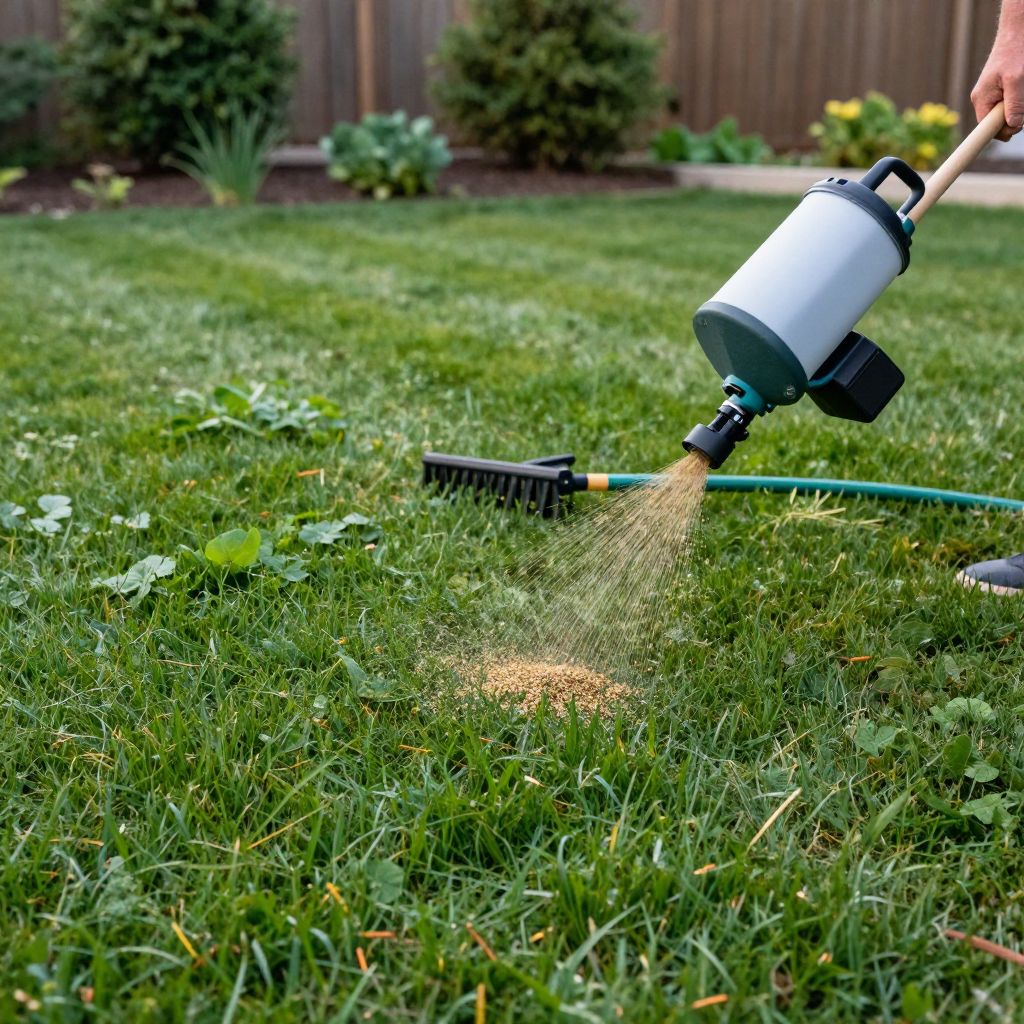
If you’re wondering when to apply grub control, timing matters as much as the product you choose. Grubs are easiest to manage when they’re small and actively feeding near the soil surface, not after they’ve grown large and caused visible turf damage.
The best window depends on your climate and the grub species in your lawn, but in many home landscapes the most effective treatment time is late summer to early fall for young grubs. Preventive products are usually applied before eggs hatch, while curative treatments work best on small larvae already present.
When to apply grub control?
Apply grub control when grubs are small and feeding near the root zone, usually from late summer into early fall in many regions. Preventive treatments are timed before eggs hatch, while curative treatments are used after you confirm active grubs. Soil moisture, temperature, and local pest pressure all affect the best timing.
What grubs are and why timing matters
“Grubs” usually means the white, C-shaped larvae of beetles such as Japanese beetles, masked chafers, or June beetles. They feed on grass roots, which can leave turf that feels spongy, lifts like a carpet, or turns brown in irregular patches.
Timing is critical because small grubs are far easier to control than mature ones. Once larvae grow larger, they become harder to kill and can do more damage before treatment takes effect.
Signs you may have a grub problem
- Brown patches that expand during warm weather
- Turf that pulls up easily with little root attachment
- Increased bird, skunk, raccoon, or armadillo activity on the lawn
- Thinner grass in sunny, well-drained areas where beetles lay eggs
Not every brown patch is caused by grubs. Drought stress, disease, compaction, or poor drainage can look similar, so it helps to inspect the root zone before treating.
Best seasonal timing for grub control
The most effective timing depends on whether you’re using a preventive or curative approach. In general, preventive control is applied before egg hatch, while curative control is applied when young larvae are present and feeding.
Preventive grub control
Preventive products are designed to protect turf before a heavy infestation develops. They are commonly applied in late spring to early summer in many regions, before adult beetles lay eggs and before newly hatched grubs begin feeding.
This approach is often the better choice if your lawn has a history of grub damage or if local beetle pressure is consistently high. It is especially useful when you know grubs tend to appear every year in the same area.
Curative grub control
Curative treatments work best when grubs are still small, usually in late summer to early fall after eggs have hatched. At this stage, larvae are actively feeding near the surface and are more vulnerable to treatment.
If you wait until grubs are large, they may be harder to control and the lawn may already be badly damaged. In that case, treatment can still help reduce further injury, but recovery may take time and overseeding or repair may be needed.
Why local climate changes the calendar
Grub development is tied to soil temperature, rainfall, and regional beetle life cycles. Warm climates may see earlier activity, while cooler areas may see later hatch and feeding periods.
Instead of relying only on a calendar date, watch for adult beetle activity, soil warmth, and signs of turf damage. Local extension guidance or neighborhood pest patterns can help you narrow the right window.
How to tell whether it’s time to treat
Before applying any product, confirm that grubs are present and active. A quick inspection can save you from treating too early, too late, or when the problem is something else entirely.
Simple inspection method
- Choose a damaged area and cut a small flap of turf, about 1 square foot.
- Peel it back and inspect the top 2 to 4 inches of soil and roots.
- Count the grubs you find and note their size.
- Look for white, C-shaped larvae with soft bodies and a brownish head capsule.
If you find only a few small grubs, treatment may still be worthwhile if damage is spreading or your lawn has a history of infestations. If you find no grubs, look for another cause before applying control products.
What grub size means for timing
- Small grubs: usually the best time for curative treatment
- Large grubs: harder to control and more likely to have already caused damage
- No visible grubs: consider waiting, monitoring, or checking again in a week or two
How to apply grub control correctly
Good timing helps, but application quality matters too. Most grub control products work best when they reach the root zone, so even coverage and proper watering-in are important.
Step-by-step application basics
- Mow the lawn if needed, but avoid scalping stressed turf.
- Read the product label carefully and follow the directions exactly.
- Apply evenly across the affected area and slightly beyond visible damage.
- Water in the product if the label requires it.
- Avoid mowing or heavy foot traffic until the turf has dried and the product has settled.
Many grub treatments need to move into the soil to reach larvae. If the lawn is bone dry, a light irrigation before or after application may help, depending on the label instructions and the product type.
Soil moisture and drainage
Moist, not soggy, soil usually gives better results than dry, compacted ground. If your lawn has poor drainage, standing water, or heavy clay soil, the product may not distribute evenly and turf recovery may be slower.
At the same time, overwatering can worsen turf stress and may encourage shallow roots. Aim for consistent moisture and avoid saturated soil conditions.
Common mistakes to avoid
Many grub control failures come from timing or application errors rather than product choice. Avoiding these mistakes can make a big difference in results.
- Applying too late: large grubs are harder to kill and may already have done most of the damage
- Treating without confirming grubs: not every patchy lawn problem is caused by larvae
- Ignoring the label: product directions vary widely and should always be followed
- Uneven coverage: missed strips can leave active grubs behind
- Skipping watering-in when required: many products need soil moisture to reach the target zone
What to do after treatment
After grub control, monitor the lawn rather than expecting instant recovery. Dead or dying grubs may stop feeding quickly, but damaged turf still needs time to grow new roots and fill in.
Lawn recovery tips
- Keep the soil evenly moist if the weather is dry, but avoid overwatering
- Reduce traffic on damaged areas while roots recover
- Rake out dead turf only if it is loose and clearly not recovering
- Overseed thin spots when conditions are right for your grass type
If the damage is severe, you may need to reseed or patch bare areas after the grub pressure is under control. Healthy turf usually recovers better when you improve mowing height, drainage, and root health at the same time.
How to reduce future grub problems
Long-term grub management is not just about one treatment. A healthy lawn is less likely to suffer serious damage, and monitoring helps you catch problems earlier.
Helpful prevention habits
- Mow at the recommended height for your grass type
- Avoid excessive nitrogen that pushes weak, tender growth
- Water deeply but not constantly to encourage deeper roots
- Watch for adult beetles in summer, especially on sunny lawns
- Check high-risk areas each year rather than waiting for major damage
If your lawn has repeated infestations, preventive treatment may be more practical than waiting for damage. In lower-pressure areas, regular scouting may be enough.
When to call in extra help
If you’ve treated at the right time and still see recurring damage, the issue may be more complex than grubs alone. Soil compaction, irrigation problems, or disease can all weaken turf and make grub injury worse.
Consider professional help if large areas are affected, if you are unsure which pest is present, or if repeated treatments have failed. A local lawn specialist or extension office can help identify the insect and suggest the best timing for your region.
Final takeaways
The best answer to when to apply grub control is: treat when grubs are small and active, and match the timing to your local climate and the product type. Preventive control usually goes down before eggs hatch, while curative control works best in late summer to early fall when young grubs are feeding.
Start by checking a damaged patch for live grubs, then choose the right timing and apply the product evenly. For more lawn care help, you may also want to read about how to tell if lawn damage is caused by grubs and basic lawn recovery after pest damage.