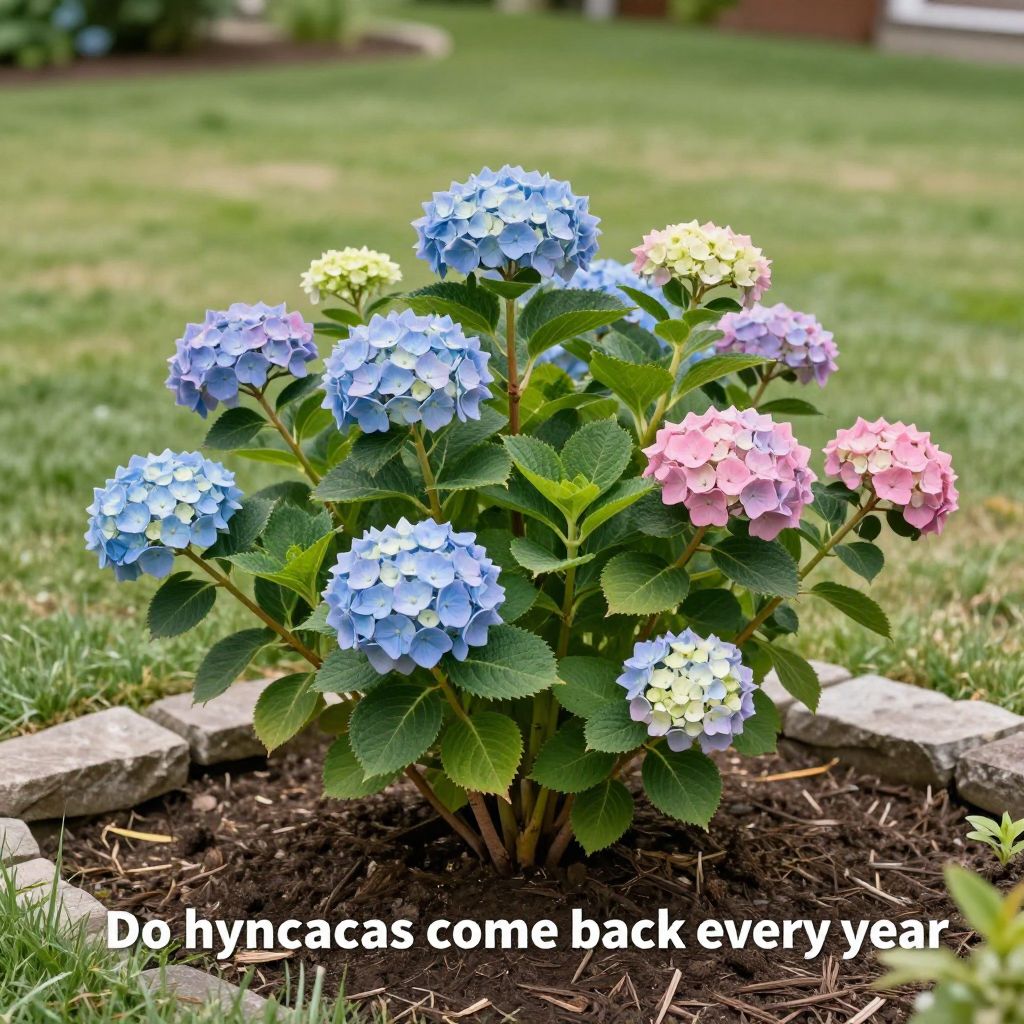
Do hydrangeas come back every year? In many gardens, yes—if you’re growing a hardy perennial type and it survives your winter conditions. Some hydrangeas return reliably from the roots, while others depend on winter protection, climate, and how they were pruned or planted.
The key is knowing which hydrangea you have and giving it the right care. With the right site, moisture, and pruning approach, many hydrangeas will reappear each spring and bloom again, sometimes even more strongly than the year before.
Do hydrangeas come back every year?
Yes, many hydrangeas are perennial shrubs that come back every year, but not all types behave the same way. In colder climates, some varieties die back to the ground and regrow from the roots, while others keep woody stems and flower on old or new wood depending on the species.
Why some hydrangeas return and others struggle
Hydrangeas are a broad group, and their winter survival depends on the species, your climate, and whether flower buds are protected from cold. A plant may be alive and healthy yet fail to bloom if winter kills the buds or if pruning removes next season’s flowers.
Common hydrangea types and how they behave
- Bigleaf hydrangea (Hydrangea macrophylla) often survives as a perennial in milder climates, but flower buds can be damaged by cold.
- Panicle hydrangea (Hydrangea paniculata) is usually very dependable and blooms on new wood, so it tends to return and flower well after winter.
- Smooth hydrangea (Hydrangea arborescens) is also reliable and commonly dies back in winter before regrowing in spring.
- Oakleaf hydrangea (Hydrangea quercifolia) can return year after year in suitable climates, though severe cold may damage stems and buds.
What affects winter survival
- Climate zone and winter lows
- Soil drainage and root health
- Summer stress from drought or heat
- Plant age; young shrubs are more vulnerable
- Pruning timing, especially for types that bloom on old wood
How to help hydrangeas come back each year
Healthy hydrangeas are more likely to overwinter successfully and return with strong growth. Focus on planting in the right spot, keeping roots evenly moist, and avoiding late-season mistakes that weaken buds or stems.
Choose the right planting site
Most hydrangeas do best in a location with morning sun and afternoon shade, especially in warmer regions. In cooler climates, they may tolerate more sun if the soil stays consistently moist.
- Give them well-drained soil; soggy roots can rot over winter.
- Mix in compost to improve soil structure and moisture retention.
- Avoid exposed windy sites that dry out stems and buds.
- Leave enough space for air circulation to reduce disease pressure.
Water consistently, especially the first few years
Hydrangeas like steady moisture, but not waterlogged soil. Newly planted shrubs need more frequent attention until their roots spread, while established plants usually need deep watering during dry spells rather than constant shallow watering.
- Water at the base of the plant to keep foliage drier.
- Check soil with your finger; water when the top few inches feel dry.
- Use mulch to slow evaporation and protect roots.
Mulch to protect roots
A 2- to 3-inch layer of organic mulch, such as shredded bark or leaf mold, helps moderate soil temperature and conserve moisture. Keep mulch a few inches away from the stems so the crown does not stay too wet.
Pruning mistakes that stop blooms
One of the biggest reasons gardeners think hydrangeas did not come back is that the plant leafs out but fails to bloom. Often, the shrub survived just fine, but pruning removed the flower buds or winter cold damaged them.
Know whether your hydrangea blooms on old wood or new wood
- Old wood bloomers set buds on last year’s stems, so heavy pruning in fall or early spring can remove flowers.
- New wood bloomers form buds on current-season growth and are usually easier for beginners to maintain.
Safer pruning approach
- Identify the type of hydrangea before cutting.
- Remove only dead, damaged, or crossing stems in late winter or early spring.
- After flowering, deadhead spent blooms if desired, but avoid cutting deeply unless the species tolerates it.
- For old wood bloomers, limit pruning to light shaping.
If you are unsure which type you have, it is better to prune lightly than to cut the shrub back hard and risk losing next year’s flowers.
How to tell if your hydrangea is alive after winter
Sometimes a hydrangea looks dead in early spring but is simply slow to wake up. Before removing it, check for signs of life at the base and on the stems.
Simple recovery check
- Scratch a small spot on a stem with your fingernail; green tissue suggests life.
- Look for swelling buds near stem tips or along branches.
- Check the base of the plant for fresh shoots.
- Wait until your local spring temperatures have settled before declaring it dead.
Some hydrangeas, especially smooth types, may die back to the ground and still return vigorously from the roots. That is normal, not a failure.
Common reasons hydrangeas don’t come back well
If your plant does not return as expected, the problem is often environmental rather than the plant itself. Identifying the cause helps you decide whether to adjust care, move the shrub, or choose a hardier type.
Winter damage
Cold snaps, drying winds, and late frosts can kill buds or stems. In marginal climates, flower buds on old wood are especially vulnerable.
Poor drainage
Hydrangeas dislike sitting in wet soil for long periods. Roots that stay saturated can decline over winter and fail to support spring growth.
Too much shade or too much sun
Deep shade can reduce flowering and weaken growth, while harsh afternoon sun can scorch leaves and dry the plant out quickly.
Improper pruning
Cutting back the wrong hydrangea at the wrong time is a common reason for no blooms the following season.
Pests and disease
Hydrangeas are not usually high-maintenance, but stressed plants can be affected by leaf spots, powdery mildew, aphids, or scale. Healthy spacing, good airflow, and careful watering help reduce problems.
Best care through the seasons
Hydrangeas are easier to keep returning when you adjust care through the year instead of treating them the same in every season. A few timely actions can make a big difference in spring regrowth and summer flowering.
Spring
- Remove winter-damaged stems after new growth begins.
- Top-dress with compost if the soil is poor.
- Refresh mulch around the root zone.
- Water deeply if spring is dry.
Summer
- Keep soil evenly moist during heat waves.
- Watch for drooping leaves, which often signal drought stress.
- Deadhead if you want a tidier look, but avoid unnecessary heavy pruning.
Fall
- Reduce stress by watering during dry spells before the ground freezes.
- Avoid high-nitrogen fertilizer late in the season.
- Leave protective stems in place if your hydrangea blooms on old wood and your winters are harsh.
Winter
- Protect roots with mulch in colder regions.
- For vulnerable varieties, use wind protection or a sheltered planting site.
- Do not overwater dormant plants in cold, wet soil.
Can you propagate hydrangeas if one does not survive?
Yes, many hydrangeas can be propagated from cuttings, which is useful if you want to replace a plant or preserve a favorite shrub. Softwood or semi-ripe cuttings are commonly used, depending on the type and season.
- Take healthy, non-flowering stems when the plant is actively growing.
- Use a clean, sharp tool to make a cutting below a node.
- Remove lower leaves and place the cutting in a moist, well-drained medium.
- Keep the cutting humid and out of strong direct sun until roots form.
Propagation is not a fix for poor site conditions, but it can be a smart backup if you want to keep a plant going in a better location.
When to replace a hydrangea
If a shrub repeatedly fails to leaf out, suffers severe winter dieback, or declines from root problems, replacement may be the best option. Choose a hydrangea suited to your climate and light conditions so it has a better chance of returning every year.
For many gardeners, the answer to do hydrangeas come back every year is a reassuring yes. Start by identifying your hydrangea type, then give it steady moisture, good drainage, and the right pruning care. If you want to dig deeper into shrub care and seasonal maintenance, related gardening reading can help you choose the best hydrangea for your yard and keep it blooming well.