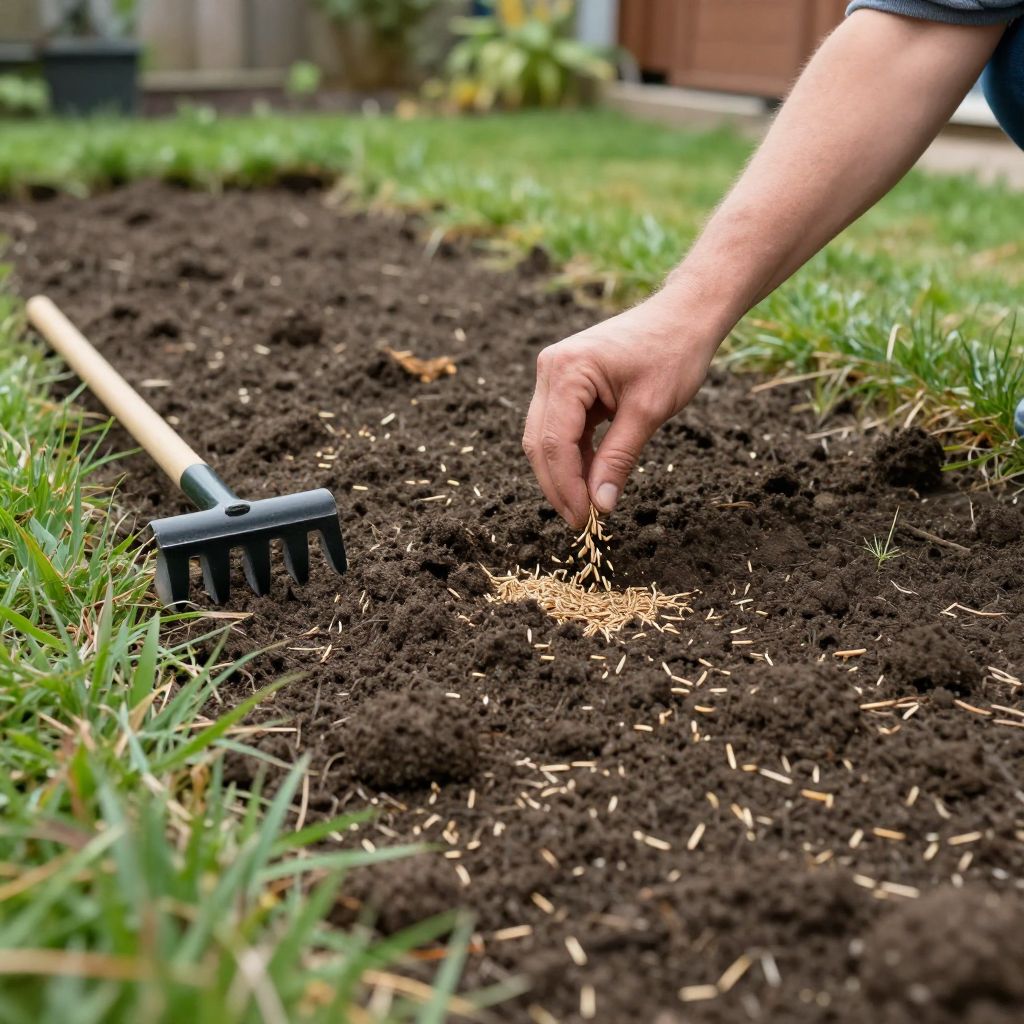
When should you lay grass seed for the best chance of a thick, healthy lawn? Timing matters more than many gardeners realise, because grass seed needs the right mix of warmth, moisture, and light to germinate well and compete with weeds.
The good news is that you can usually sow grass seed successfully in more than one season. The best window depends on your local climate, soil temperature, and whether you are starting a new lawn or overseeding an existing one.
When to lay grass seed?
The best time to lay grass seed is usually early autumn, when soil is still warm, rainfall is more reliable, and weed pressure is lower. Spring is the next-best option if you miss autumn, but you will need more careful watering and weed control. Avoid sowing during heatwaves, drought, or frosty weather.
Why timing matters for grass seed
Grass seed germinates best when the soil is warm enough for steady growth but not so hot that it dries out quickly. Cool, moist conditions help seedlings establish strong roots before they face summer stress or winter cold.
If you sow at the wrong time, seed may sit idle, dry out, rot, or be outcompeted by weeds. Good timing gives you faster germination, better coverage, and a denser lawn with less patchiness.
The ideal conditions for germination
- Soil temperature: Most lawn grasses germinate best in mild-to-warm soil, not cold ground.
- Moisture: The seedbed should stay consistently damp, but never waterlogged.
- Light: Grass seed usually needs good contact with soil and enough light to establish.
- Competition: Fewer weeds and less aggressive growth from existing grass improves success.
Best seasons for laying grass seed
Autumn: the best overall time
Early to mid-autumn is usually the sweet spot for sowing grass seed. The soil has warmed up over summer, but the air is cooler and rainfall often increases, which reduces stress on young seedlings.
This is often the easiest time to establish a new lawn or repair bare patches because weed growth slows down and the grass can build roots before winter.
Spring: a workable second choice
Spring can also be a good time to lay grass seed, especially if autumn was missed. The main drawback is that spring warmth can quickly turn into summer heat, so seedlings may need more frequent watering and closer attention.
Spring sowing is best done early enough that the grass has time to establish before hot, dry weather arrives.
Summer: possible, but risky
You can sow grass seed in summer, but it is usually the most difficult season. Heat, drying winds, and uneven rainfall can cause poor germination or weak seedlings.
If summer is your only option, choose a cooler spell, keep the seedbed evenly moist, and be prepared for extra maintenance.
Winter: generally avoid
Cold soil slows or stops germination, and frost can damage tender seedlings. In most gardens, winter is not a good time to sow grass seed outdoors.
If you need a temporary fix during winter, it is usually better to wait for a better sowing window unless you are working in a very mild climate.
How to tell if your lawn is ready for seed
Before sowing, check the site conditions rather than relying on the calendar alone. A few simple tests can save you from wasted seed and patchy results.
Look for these signs
- The soil is crumbly and workable, not frozen or baked hard.
- Rainfall is enough to keep the surface from drying out too quickly.
- Weeds are manageable and can be removed before sowing.
- The area gets enough sunlight for the grass type you are using.
If your lawn is shaded, waterlogged, or compacted, fix those issues first. Grass seed will struggle if the underlying conditions are poor.
How to prepare the ground before sowing
Good preparation is just as important as timing. A well-prepared seedbed helps seed make contact with soil, absorb moisture, and root quickly.
Step-by-step preparation
- Clear weeds, stones, and debris from the area.
- Rake the surface to loosen the top layer of soil.
- If the soil is compacted, aerate or fork it lightly to improve drainage.
- Level dips and bumps so water does not pool in low spots.
- Work in a thin layer of fine compost or topsoil if the soil is poor, heavy, or very sandy.
- Rake again so the surface is fine and even.
Do not bury grass seed too deeply. Most seed should be lightly covered or pressed into the soil surface, not planted like a bulb.
Should you add compost?
A thin layer of well-rotted compost or screened topsoil can improve poor ground, especially if the soil is thin or low in organic matter. Keep the layer light and even so you do not smother the seed or create uneven settling later.
How to sow grass seed properly
Once the ground is ready, sow evenly and avoid overloading any one area. Uneven spreading often leads to clumps, weak patches, and wasted seed.
Practical sowing tips
- Divide the seed into two portions and sow one half in one direction, then the other half at right angles.
- Rake lightly after sowing so seed is in close contact with the soil.
- Press the seed down gently with a roller or by walking on a board if needed.
- Water with a fine spray so you do not wash the seed away.
If you are overseeding an existing lawn, mow short first and remove thatch or dead grass so the seed can reach the soil.
Watering after sowing
New grass seed must never be allowed to dry out during germination. The surface should stay evenly moist, especially in warm or windy weather.
How to water without disturbing the seed
- Use a fine rose on a watering can or a gentle sprinkler setting.
- Water lightly but often enough to prevent the top layer from drying out.
- Avoid strong jets that can move seed into piles or wash it into drains.
- Once seedlings are established, water less often but more deeply to encourage rooting.
Drying out for even a short time can reduce germination, especially during the first couple of weeks.
Common mistakes to avoid
Many lawn failures come from a few avoidable errors rather than poor seed quality. If you get these basics right, your chances of success improve greatly.
- Sowing too early in cold soil: seed may sit too long and become vulnerable to rot or birds.
- Sowing too late in hot weather: seedlings can scorch or dry out before rooting.
- Using too much seed: overcrowding leads to weak, spindly growth.
- Ignoring weeds: young grass cannot compete well with fast-growing weeds.
- Poor soil contact: seed left on the surface often dries out or gets eaten.
- Letting the surface dry: inconsistent moisture causes patchy germination.
How long grass seed takes to grow
Germination time varies with grass type, temperature, moisture, and seed quality. In suitable conditions, you may see seedlings in about 1 to 3 weeks, though some lawns take longer to fill in properly.
Even after germination, the lawn is still fragile. Avoid heavy foot traffic until the grass has rooted well and started to thicken.
What to expect in the first month
- Week 1–2: seed begins to sprout if conditions are warm and moist.
- Week 2–4: seedlings thicken and begin to knit together.
- After 4 weeks: the lawn may still be delicate and patchy, but it should be establishing.
Aftercare for new grass
Once the lawn has germinated, shift from seed care to seedling care. The goal is to help roots deepen and the turf thicken without stressing the young plants.
First mowing
Mow only when the grass is tall enough to cut without removing more than about one-third of the blade height at once. Use a sharp mower blade and avoid mowing when the soil is soft or wet.
Feeding and maintenance
If your soil is poor, a light, suitable lawn feed can help later, but do not overfeed young grass. Too much fertiliser can encourage soft growth and make the lawn more vulnerable to stress.
Keep an eye out for bare spots, which can be lightly reseeded once the first sowing has started to establish.
Troubleshooting patchy germination
If your grass seed is coming up unevenly, the problem is usually environmental rather than the seed itself. Check the site conditions before reseeding.
Possible causes and fixes
- Dry surface: increase watering frequency and use a finer spray.
- Poor soil contact: rake lightly and press seed into the soil.
- Bird damage: cover seed very lightly with soil or use netting where appropriate.
- Compacted ground: aerate before reseeding.
- Shade: use a seed mix suited to lower light conditions and reduce competition from nearby growth.
- Heavy rain runoff: improve levels and drainage before sowing again.
When to lay grass seed for overseeding versus a new lawn
For a new lawn, timing is especially important because the seed must establish from scratch. For overseeding, you have a little more flexibility, but the same seasonal rules still apply.
Autumn is usually best for both tasks. Overseeding in spring can work well too, especially if you are repairing winter damage, thinning turf, or filling small bare areas.
Final advice on timing
If you want the simplest answer to when to lay grass seed, choose early autumn whenever possible. If that window has passed, sow in spring while the soil is warming and moisture is still reliable. Match your timing to your local weather, prepare the ground well, and keep the seedbed evenly moist for the best results.
For more lawn care help, you may also find it useful to read about basic lawn care and maintenance and how to prepare soil for planting.