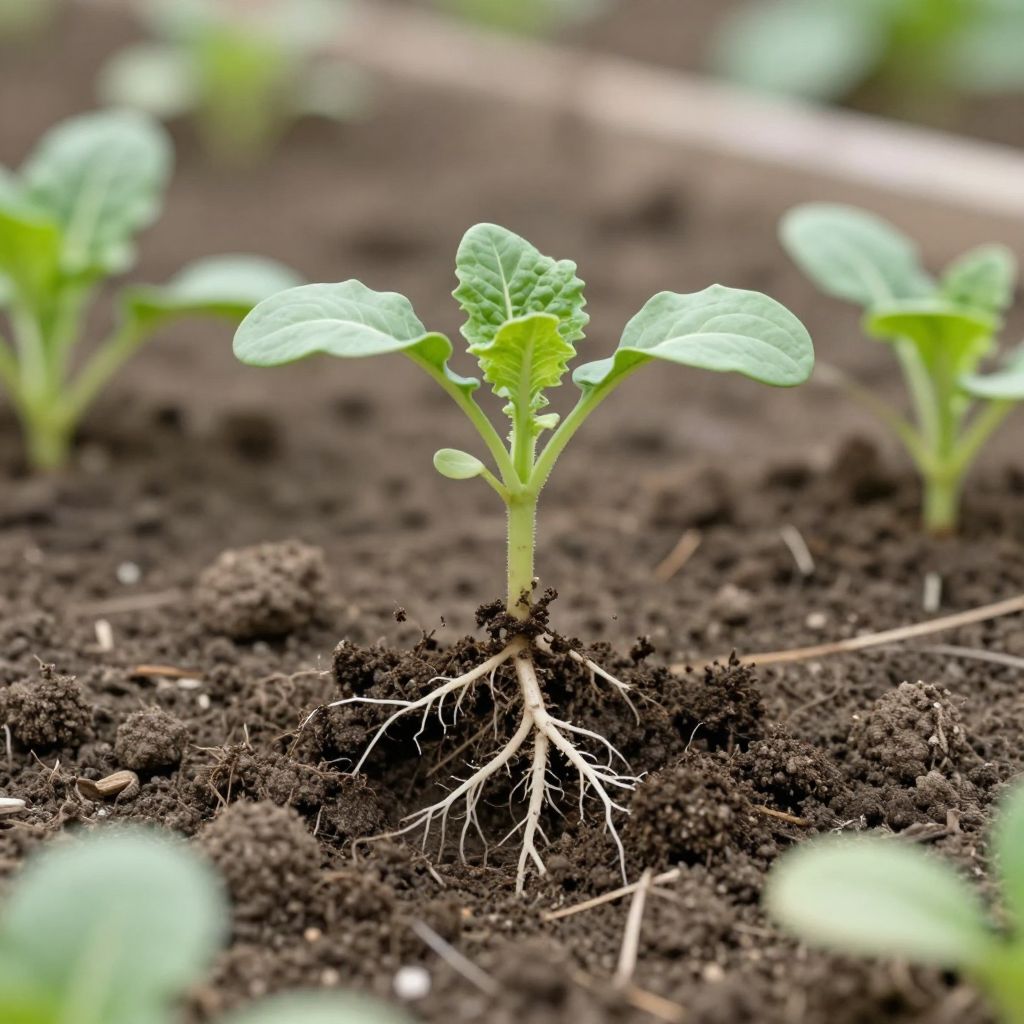
What do roots do in a garden, and why do healthy roots matter so much? Roots are the plant’s anchor, water supply, and nutrient-absorbing system. They also store energy and help a plant survive stress, from heat and drought to transplant shock.
If the roots are weak, cramped, rotting, or damaged, the top growth usually suffers. Understanding how roots work helps you plant better, water more wisely, and spot problems early before they turn into bigger losses.
What do roots do in plants?
Roots anchor the plant in the soil, absorb water and mineral nutrients, store energy, and often help a plant spread or regenerate. Healthy roots need oxygen as well as moisture, so good drainage and the right soil structure are just as important as watering.
How roots support the whole plant
1. Anchoring and stability
Roots hold a plant upright against wind, rain, and the weight of leaves, flowers, and fruit. Trees, shrubs, perennials, and even annuals rely on a strong root system to stay stable as they grow.
In containers, roots have less room, so plants can tip more easily. That is one reason pot size and potting mix matter so much for potted plants.
2. Taking up water and nutrients
Fine root hairs absorb most of the water and dissolved nutrients a plant needs. These tiny structures are easily damaged by rough transplanting, drying out, compacted soil, or root rot.
Roots do not “drink” from puddles efficiently. They work best in moist, airy soil where water can move in and out without drowning the root zone.
3. Storing food and energy
Many plants store carbohydrates in their roots so they can regrow after winter, pruning, drought, or flowering. Carrots, beets, radishes, dahlias, and many perennials use roots as storage organs.
This stored energy is why a plant can sometimes bounce back after the top growth looks stressed. But if the roots are badly damaged, recovery is much slower.
4. Supporting growth and propagation
Some plants spread through roots or root-like structures. Others can be propagated from root divisions or root cuttings, depending on the species. In the garden, this can be useful for multiplying plants, but it can also make some weeds difficult to control.
What healthy roots need to thrive
Soil structure
Roots need a balance of moisture, air, and physical space. Loose, crumbly soil lets roots spread and branch. Heavy, compacted soil limits oxygen and can cause shallow rooting or stunted growth.
If your soil is dense clay or gets walked on often, roots may struggle even when you water regularly. Adding compost and reducing compaction usually helps more than simply watering more.
Drainage
Good drainage is essential because roots need oxygen. In waterlogged soil, root cells can suffocate, and fungi or bacteria that cause rot may take over.
Signs of poor drainage include yellowing leaves, wilting despite wet soil, sour-smelling soil, and blackened roots. Raised beds, improved soil structure, and containers with drainage holes can help.
Moisture
Roots need consistent moisture, but not constant saturation. A deep, thorough watering encourages roots to grow downward, where moisture lasts longer than at the surface.
Shallow, frequent watering can keep roots near the topsoil, making plants more vulnerable to heat and drought. Let the soil guide you rather than watering by the calendar alone.
Nutrients
Roots absorb essential nutrients such as nitrogen, phosphorus, potassium, and trace elements. Compost and well-balanced soil fertility support root growth, but too much fertilizer can burn roots or push weak, leafy growth at the expense of a strong root system.
If you fertilize, do so based on the plant’s needs and your soil conditions. A soil test is the best way to avoid guessing.
How to encourage strong roots when planting
- Choose the right site. Match the plant to the light, soil, and moisture conditions it prefers.
- Prepare the soil. Loosen compacted ground and mix in compost if needed, especially for poor or heavy soil.
- Dig the right hole. Make it wide enough for roots to spread, but not so deep that the plant sits below its original soil line.
- Inspect the roots. Gently tease apart circling roots on container-grown plants if they are tightly bound.
- Water in well. Soak the root zone after planting to settle soil around the roots and remove air pockets.
- Mulch properly. Apply mulch over the soil, not against the stem or trunk, to conserve moisture and moderate temperature.
For trees and shrubs, the root flare should usually sit at or slightly above the surrounding soil. Burying the trunk too deeply can lead to decline over time.
Common root problems and what they look like
Root rot
Root rot often develops in soggy, poorly drained soil. Plants may wilt, yellow, or stop growing even though the soil is wet. When you inspect the roots, they may look brown, mushy, or smell foul.
The fix is usually to improve drainage, reduce watering, and remove badly rotted plants if recovery is unlikely. In containers, repot into fresh, well-draining mix and a pot with drainage holes.
Compacted roots
In hard, compacted soil, roots may stay shallow and crowded. Plants can look stressed during hot weather because they cannot access deeper moisture.
To improve this, add organic matter, avoid over-tilling, and keep foot traffic off planting beds. For established plants, top-dressing with compost and mulch is often safer than digging deeply around roots.
Circling or girdling roots
Container-grown plants sometimes develop roots that circle the pot. If left uncorrected, these can strangle the plant later, especially in trees and shrubs.
Before planting, loosen the outer roots and spread them outward if possible. If roots are badly tangled, make a few shallow vertical cuts through the root ball to encourage outward growth.
Dry, damaged roots
Roots exposed to air for too long during transplanting can dry out quickly. Even a short period of stress can slow establishment.
Keep bare-root plants shaded and moist until planting. For container plants, water before planting and avoid leaving them sitting in full sun while you prepare the bed.
Root care by gardening situation
In the ground
Garden roots usually have more room, but they still suffer from compaction, poor drainage, and competition from nearby plants. Deep watering and mulch help roots grow downward and stay cooler in summer.
Avoid frequent shallow sprinkling, especially for trees and shrubs. Instead, water deeply enough to moisten the root zone, then allow the surface to begin drying before watering again.
In containers
Container roots dry out faster and have less oxygen if the potting mix is too dense. Use a lightweight, free-draining potting mix rather than garden soil, which can become heavy and waterlogged in pots.
Check pots more often during hot, windy weather. If roots fill the container and the plant dries out very quickly, it may need repotting into a slightly larger container or root pruning, depending on the plant.
For seedlings and transplants
Young roots are delicate. Transplant seedlings when they are large enough to handle but not so rootbound that they struggle to establish.
Handle seedlings by the leaves, not the stem, and disturb the roots as little as possible. After transplanting, keep the soil evenly moist until new growth shows the plant has settled in.
Practical tips for better root health
- Water deeply, not constantly. Encourage roots to grow downward.
- Use mulch. It helps keep root zones cooler and reduces moisture loss.
- Improve soil gradually. Compost is usually safer than heavy digging around established roots.
- Do not bury stems or trunks. Keep the crown or root flare visible where appropriate.
- Watch for stress signs early. Wilting, yellowing, and slow growth can point to root trouble.
- Protect roots from damage. Avoid cutting too close to woody plants and minimize disturbance during landscaping work.
When to inspect roots
You do not need to dig up roots routinely, but it is worth checking them if a plant is declining for no obvious reason. Inspect roots when a plant wilts despite watering, fails to establish after transplanting, or shows signs of rot or girdling.
Healthy roots are usually firm and light-colored, though color can vary by species. Damaged roots may be brown, black, soft, brittle, or sparse.
Why root health matters for long-term garden success
Strong roots make plants more resilient. They help flowers last longer, vegetables produce better, shrubs establish faster, and trees tolerate drought and wind more effectively.
If you want healthier plants, start below the surface. Check your soil, improve drainage, water with purpose, and plant so roots have room to grow. For more practical garden basics, you may also want to read about how to improve garden soil and container gardening basics.