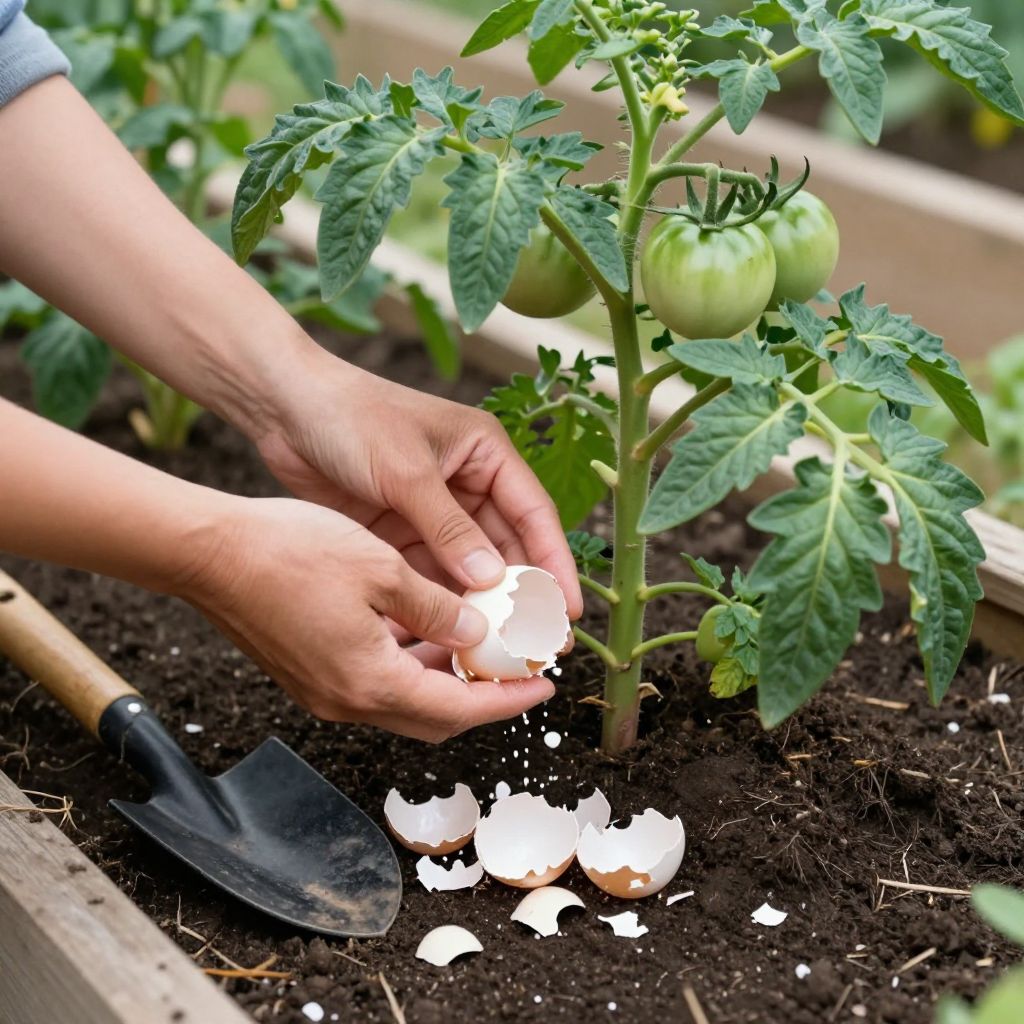
Are egg shells good for plants? Yes, but mostly as a slow, modest source of calcium and as a soil amendment, not as a quick fertilizer. Crushed shells can also help improve compost texture and, in some gardens, add grit to the surface soil.
They are not a cure-all. If your plants need fast nutrition, better drainage, or a real calcium boost, egg shells alone usually will not be enough.
Are egg shells good for plants?
Egg shells can be helpful for plants when used correctly, especially in compost or finely ground into soil where they break down slowly and may contribute calcium over time. They are best viewed as a small supplement, not a complete fertilizer. Their value depends on how finely you prepare them and what your soil already needs.
What egg shells actually do in the garden
Egg shells are made mostly of calcium carbonate. That means they can add a little calcium to soil as they decompose, but the process is slow. Whole or coarse pieces may take a long time to break down, especially in dry or acidic-free garden beds.
Benefits you may see
- Slow calcium contribution for soil over time.
- Useful addition to compost piles when crushed.
- Can help improve the texture of a mulch or top-dressing mix.
- May slightly deter some soft-bodied pests when spread as sharp, dry pieces, though this effect is inconsistent.
What egg shells do not do well
- They do not provide a balanced fertilizer.
- They do not fix blossom end rot quickly on tomatoes or peppers.
- They do not significantly change soil pH in most home gardens.
- They are not a substitute for good watering and soil structure.
How to use egg shells in the garden
The best way to use egg shells is to prepare them so they break down faster. The smaller the pieces, the more useful they are. Rinse shells after use, let them dry, then crush or grind them before adding them to soil or compost.
1. Add them to compost
Composting is usually the most practical use for egg shells. In a healthy compost pile, they break down gradually and become part of finished compost that you can spread around vegetables, flowers, shrubs, and containers.
- Rinse the shells to remove egg residue.
- Let them dry fully to reduce odor and pests.
- Crush them into small pieces or grind them.
- Mix them into the compost pile with greens and browns.
- Turn the pile regularly if you maintain a turned compost system.
Tip: A coffee grinder or mortar and pestle can turn dry shells into a much finer material that breaks down faster than hand-crushed pieces.
2. Mix finely ground shells into soil
If you want to add shells directly to garden soil, grind them very finely first. Sprinkle a light amount over the bed and work them into the top few inches of soil. This is more useful in long-term beds than in short-term containers.
For container plants, use caution. Egg shells in pots may not break down well, and coarse pieces can sit in the mix without doing much. A finished compost blend is usually a better choice for containers.
3. Use as a top-dressing around established plants
Crushed shells can be sprinkled around established plants as a light top-dressing, then watered in. This works best in vegetable beds, perennial borders, and around shrubs where the material has time to decompose.
Keep the layer thin. Thick piles of shell pieces can look messy and may not break down evenly.
Which plants may benefit most?
Plants that need steady calcium in the soil can sometimes benefit from well-prepared egg shells, but only as part of a broader soil program. Tomatoes, peppers, eggplants, brassicas, and some leafy greens are often mentioned because calcium matters in their growth, yet shell additions alone are rarely enough if soil moisture is inconsistent.
Important note for tomatoes and peppers
Gardeners often add egg shells to prevent blossom end rot. However, blossom end rot is usually linked to uneven watering, root stress, or poor calcium movement in the plant, not simply a lack of shells in the soil. Even calcium-rich soil will not help much if the plant cannot take up moisture consistently.
If you grow tomatoes or peppers, focus on:
- Even watering, especially during flowering and fruiting.
- Mulching to reduce moisture swings.
- Healthy soil with good drainage.
- A balanced fertilizer if your soil test shows a need.
How to prepare egg shells properly
Preparation matters more than most gardeners realize. Large shell pieces can linger for months or longer, while finely ground shells are more likely to blend into the soil and compost system.
Best preparation steps
- Rinse shells after use to remove residue.
- Allow them to dry completely.
- Crush into small fragments or powder.
- Store dry shells in a container until you have enough to use.
- Mix them with compost or soil rather than leaving them in a thick layer on top.
If you are concerned about pests or odor, drying is especially important. Damp shells can attract insects or create a smell if stored carelessly.
Common mistakes to avoid
Egg shells are simple to use, but a few common mistakes can make them ineffective. Most problems come from expecting them to act like fertilizer or from using pieces that are too large to break down in a useful time frame.
- Using whole shells and expecting quick results.
- Applying them instead of watering properly.
- Using them as the only calcium source for a crop with a real deficiency.
- Adding thick layers that do not mix into the soil.
- Putting them in pots and expecting fast decomposition.
When egg shells are not the right fix
Sometimes a plant problem that looks like a calcium issue is actually caused by drainage, root damage, compacted soil, or irregular watering. In those cases, adding egg shells will not solve the underlying issue.
Signs you need a different approach
- Leaves wilt even though the soil is wet.
- Plants stay stunted in heavy, compacted soil.
- Container plants dry out too quickly or stay soggy too long.
- Fruit disorders continue even after shell additions.
For a suspected deficiency, a soil test is the most reliable next step. It can tell you whether your soil needs calcium, pH adjustment, or a different nutrient balance.
Egg shells in compost, mulch, and soil health
Egg shells fit best into a larger soil-building routine. Healthy soil depends on organic matter, drainage, microbial activity, and regular replenishment of nutrients. Shells can be one small part of that system.
Best use by garden type
- Vegetable beds: Good as a compost ingredient or finely ground amendment.
- Flower borders: Useful in compost or as a light soil additive.
- Containers: Better used in compost than as coarse pieces in potting mix.
- Raised beds: Can be mixed into compost or topsoil, but only as part of a broader soil plan.
For most home gardeners, finished compost made with egg shells is more effective than shells added by themselves. Compost distributes nutrients more evenly and improves soil structure at the same time.
Practical takeaways for better results
If you want the benefits of egg shells without wasting effort, keep the process simple and realistic. Use them as a slow soil-building ingredient, not as a quick fix.
- Rinse and dry shells before storing them.
- Crush them very finely for faster breakdown.
- Add them to compost whenever possible.
- Use them sparingly in beds and containers.
- Support plant health with consistent watering, good drainage, and balanced feeding.
In short, egg shells can be good for plants, but only when you use them as part of a healthy soil routine. If you are growing vegetables, flowers, or herbs, start by composting a batch of clean, crushed shells and observe how your soil responds over time.
For more practical soil-building tips, you may also want to read about how to improve garden soil naturally and composting basics for home gardeners.