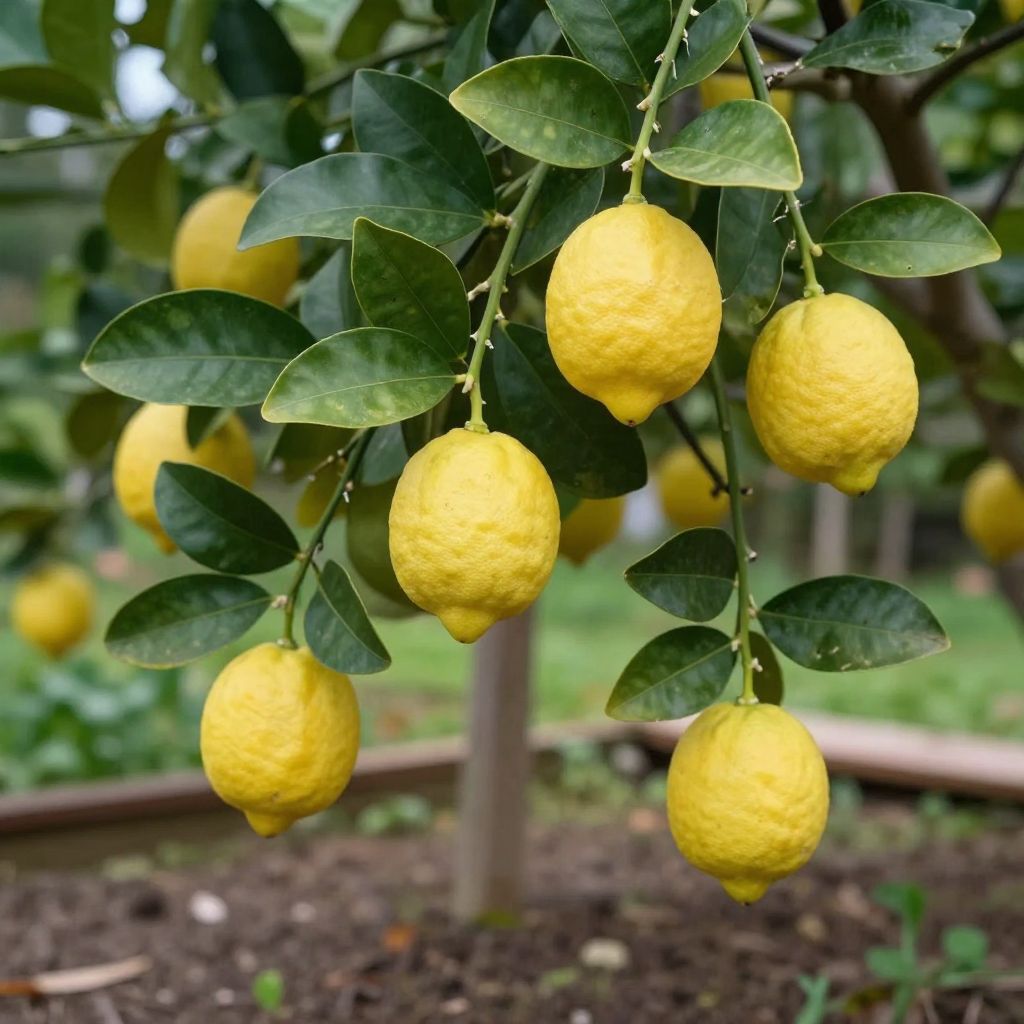
When is lemon season? The short answer is that lemons can be harvested for much of the year in warm climates, but the heaviest crop usually ripens from late winter through summer depending on the variety and where you grow it. Unlike many fruits, lemons often stay on the tree for weeks, so “season” can mean both peak harvest time and the period when fruit is at its best quality.
If you grow lemons yourself, the right answer depends on tree age, climate, and whether the fruit is grown outdoors or in a container. Understanding bloom timing, fruit development, and ripening cues will help you pick lemons at the best stage and care for the tree so it keeps producing.
When is lemon season?
Lemon season usually runs from late fall through spring in many home gardens, with some varieties producing ripe fruit into summer. In frost-free or mild climates, lemons can flower and fruit in more than one cycle, so you may have blossoms, green fruit, and ripe lemons on the tree at the same time.
How lemon fruit develops through the year
Lemons do not ripen all at once like some seasonal fruits. A flower must first be pollinated, then the tiny fruit grows for months before it turns fully yellow and reaches good juice content.
Typical lemon growth stages
- Blooming: fragrant white flowers appear, often in flushes.
- Fruit set: petals drop and tiny green lemons begin to form.
- Fruit enlargement: fruit grows steadily through warm weather.
- Color change: green skin begins turning yellow as fruit matures.
- Harvest window: fruit can be picked once it is full-sized and fully colored, or slightly before if your climate is very hot and the fruit is already juicy.
In many gardens, lemons take several months from bloom to harvest. That means the exact season is less about a single month and more about the tree’s flowering cycle and local temperatures.
How to tell when lemons are ready to pick
The best time to harvest is when the fruit has reached full size, has a bright yellow color, and feels slightly soft with a glossy rind. A lemon can look ripe before it is fully juicy, so size and texture matter as much as color.
Ripeness checks you can use at home
- Color: most lemons are ready when they are fully yellow, though a little green at the stem end can still be normal in some climates.
- Size: compare fruit to the typical size for your variety, if known.
- Feel: the rind should give slightly under gentle pressure, not feel rock-hard.
- Ease of picking: ripe lemons usually twist off or cut cleanly without much force.
- Flavor: if the fruit tastes sharp and juicy, it is ready; if it is dry or bland, leave the next crop on the tree longer.
If you are unsure, harvest one lemon and test it. Citrus does not continue to sweeten after picking, but lemons can become less acidic and more aromatic as they fully mature on the tree.
Seasonal timing by climate
Because lemon trees respond strongly to temperature and sunlight, local climate has a big effect on harvest timing. In a mild coastal or Mediterranean climate, the season often stretches longer than in areas with cool winters or indoor overwintering.
Warm, frost-free climates
In warm regions, lemon trees may bloom more than once a year. You can often harvest at several points, with the biggest crop arriving after the main winter or early spring bloom.
Cooler or marginal climates
Where winters are cooler, fruit may mature more slowly and often ripens later in the season. If the tree is grown in a pot and moved indoors, fruit development can slow when light levels drop.
Indoor container growing
Indoor lemon trees usually fruit less predictably than outdoor trees. They need very bright light, stable temperatures, and careful watering, or fruit may take longer to ripen and drop before maturity.
Growing lemons for a better harvest
If you want a reliable lemon season, focus on the tree’s basic needs. Healthy growth, good drainage, and enough sun matter more than feeding heavily or watering on a fixed schedule.
Sunlight
Lemons need full sun for strong flowering and fruiting. Outdoors, aim for at least 6 to 8 hours of direct sun daily when possible. Indoors, place the tree in the brightest window you have, or use supplemental grow lights if light is weak.
Soil and drainage
Citrus roots dislike sitting in wet soil. Use well-drained soil enriched with compost, and avoid heavy clay unless you improve drainage first. In containers, choose a potting mix made for citrus or a loose, free-draining mix rather than garden soil.
Watering
Water deeply, then let the upper layer of soil dry slightly before watering again. The goal is even moisture, not constant wetness. Irregular watering can cause fruit drop, split fruit, or poor flavor.
- Check soil with your finger before watering.
- Water more often during hot, windy weather.
- Reduce watering when growth slows in cool weather.
- For pots, make sure excess water drains freely from the bottom.
Feeding
Lemon trees usually benefit from regular feeding during active growth, but avoid overdoing nitrogen, which can push leafy growth at the expense of flowers and fruit. A balanced citrus fertilizer or well-rotted compost is often enough for home gardens, depending on your soil test and tree vigor.
Pruning and maintenance at the right time
Light pruning helps keep lemon trees productive and manageable. Remove dead, crossing, or crowded branches so light reaches the center of the canopy and air can move through it.
Best pruning approach
- Prune lightly after harvest or after the main flush of fruiting, not during extreme heat or cold.
- Remove suckers from below the graft union if your tree is grafted.
- Keep the canopy open enough for sunlight to reach inner branches.
- Avoid heavy pruning right before flowering, since that can reduce fruiting.
For container trees, pruning also helps control size. A smaller canopy is easier to protect from frost and easier to keep evenly watered.
Common problems that affect lemon season
If your lemons are late, small, or dropping early, the issue is often environmental rather than a lack of “season” itself. Stress from water swings, cold, shade, or pests can delay ripening and reduce fruit quality.
Fruit drop
Young fruit may drop after flowering if the tree is stressed. Common causes include inconsistent watering, low light, sudden temperature changes, or a tree that is carrying too many fruitlets.
Green lemons that never seem to ripen
Fruit may stay green if nights are too cool, the tree is shaded, or the variety naturally colors slowly. In some climates, lemons can be fully usable before they turn deeply yellow, but they should still feel full and juicy.
Pests and diseases
Watch for scale, aphids, mites, and citrus leaf miner, especially on stressed trees. Good airflow, regular inspection, and prompt cleanup of damaged leaves help limit problems. Root rot is a bigger risk when soil stays soggy, so drainage is critical.
How to harvest lemons without damaging the tree
Use clean pruners or garden snips to cut lemons from the stem, or twist gently if the fruit releases easily. Pulling hard can tear the branch or damage the fruiting spur.
- Check that the fruit is full-sized and fully colored.
- Lift the fruit slightly and inspect the stem.
- Cut or twist cleanly rather than yanking.
- Handle fruit gently to avoid bruising the rind.
- Store harvested lemons in a cool place or refrigerate them if you will not use them soon.
Leaving some ripe fruit on the tree for a short time is usually fine, but do not let overripe lemons stay so long that they become dry or attract pests.
Can you grow lemons if you don’t live in a lemon climate?
Yes, but your lemon season will depend on protection and container care. In colder regions, grow lemons in pots so you can move them indoors before frost. Choose a dwarf or naturally compact tree if space is limited, and expect slower growth and less consistent fruiting than in the ground.
Container growing tips
- Use a pot with excellent drainage holes.
- Repot when roots fill the container or growth slows.
- Rotate the pot for even light exposure.
- Bring the tree indoors before cold nights arrive.
- Watch carefully for pests when the tree is moved indoors.
Indoor trees often need more light than most homes provide, so fruiting can be modest. Even so, a healthy container lemon can still give you a useful harvest if you match care to the season.
Simple seasonal checklist for lemon growers
Use this quick checklist to keep your tree on track through the year:
- Spring: watch for bloom, water evenly, and feed lightly if the tree is actively growing.
- Summer: protect fruit from drought stress and inspect for pests.
- Autumn: reduce stress, keep drainage sharp, and prepare container trees for cooler weather.
- Winter: protect from frost, avoid waterlogged soil, and expect slower growth indoors or in cool climates.
So, when is lemon season? For most gardeners, it is the period when the tree’s fruit has fully sized up and turned yellow, often from late winter into summer depending on climate and variety. If you want a better harvest, focus on sun, drainage, steady moisture, and light pruning, then pick fruit when it is full, fragrant, and easy to harvest. For more practical citrus care, you may also want to read related gardening guides on citrus tree care and growing fruit trees in containers.