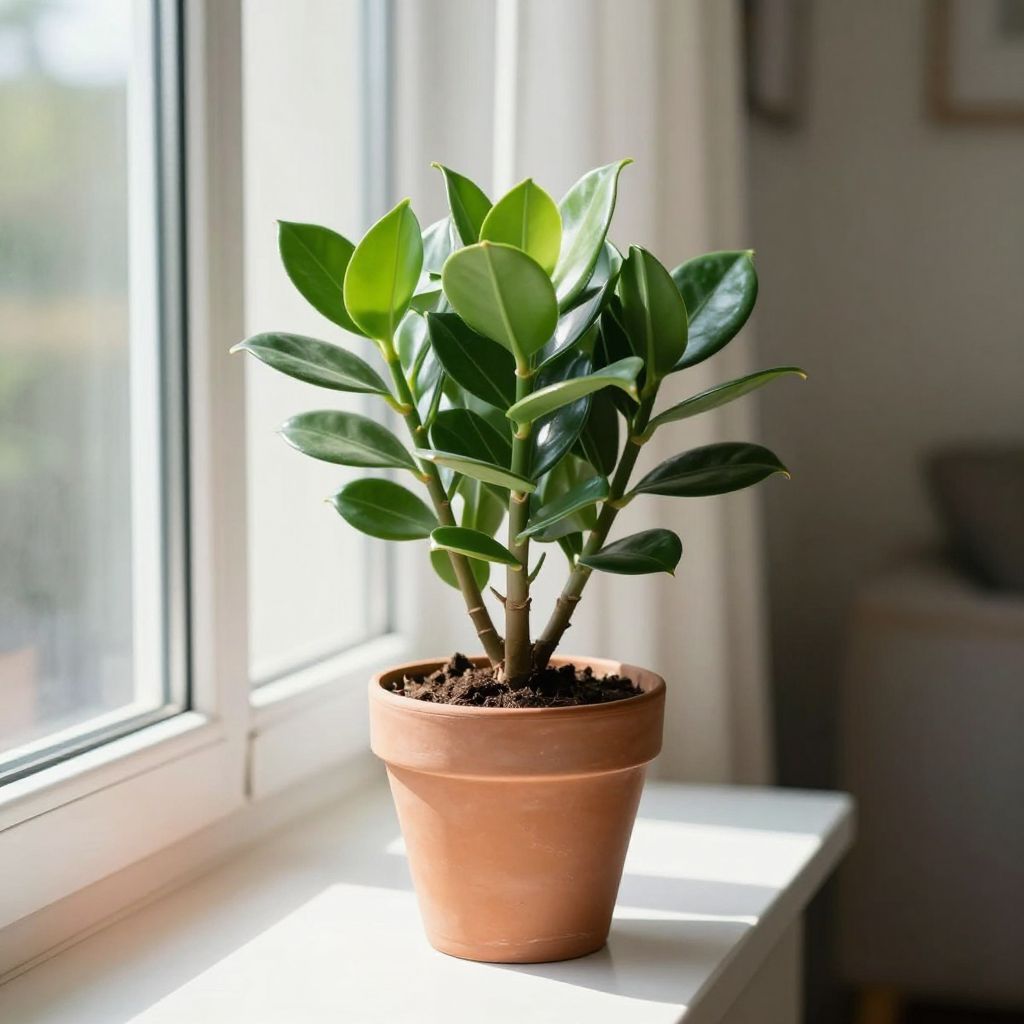
Wondering where to place jade plant in home so it stays compact, healthy, and long-lived? The right spot makes a big difference with this easy-care succulent, especially because too little light and too much water are the most common reasons jade plants struggle indoors.
Choose a bright location with several hours of direct sun or very strong indirect light, good air circulation, and protection from cold drafts. A south- or west-facing window is often ideal indoors, while outdoors jade plants do best in warm, sheltered spots with morning sun and afternoon shade in hot climates.
Where to place jade plant in home?
The best place for a jade plant is near the brightest window you have, usually south- or west-facing, where it receives at least 4 to 6 hours of bright light daily. Keep it away from cold glass, heating vents, and dark corners. If natural light is weak, supplement with a grow light.
Best indoor locations for a jade plant
1. South-facing window
This is usually the top choice for indoor jade plants. It provides strong light that helps the plant stay sturdy, compact, and evenly green.
If the sun is intense through the glass, especially in summer, place the pot a little back from the window or use a sheer curtain to soften harsh midday rays.
2. West-facing window
A west-facing window can also work well, especially if your home is shaded in the morning. Afternoon sun is often enough to keep jade plants happy.
Watch for leaf scorch if the plant is moved suddenly into stronger light. Acclimate it over 1 to 2 weeks by gradually increasing exposure.
3. East-facing window
An east-facing window gives gentle morning sun and bright light for much of the day. This is a good option if your home gets strong afternoon heat or if you want a softer light environment.
In lower-light homes, an east window may be enough in spring and summer, but you may need to rotate the plant or add supplemental light in winter.
4. Bright room with grow lights
If your home lacks sunny windows, a grow light can solve the problem. Place the light close enough to be effective, but not so close that it overheats the leaves.
As a general guide, keep the light on for about 10 to 14 hours a day and adjust based on the plant’s response. Healthy jade growth should stay compact rather than stretched and floppy.
How to tell if the spot is right
A jade plant will show you whether its location is working. Good placement produces firm stems, plump leaves, and slow, balanced growth. Poor placement usually shows up as stretching, leaf drop, or dull color.
- Too little light: long stems, widely spaced leaves, leaning toward the window
- Too much harsh sun: reddish or brown sunburn patches, wrinkled leaves, scorched tips
- Too much moisture or poor airflow: soft stems, yellowing leaves, root rot risk
If the plant leans, rotate the pot a quarter turn every couple of weeks so it grows evenly. This is especially helpful on windowsills where light comes from one direction.
Where not to place a jade plant
Some indoor spots look convenient but can cause problems. Avoid placing jade plants in locations that are too dark, too cold, or too close to heat sources.
- Dark hallways or bathrooms with little natural light
- Right above or beside heating vents, radiators, or fireplaces
- Near drafty doors or cold windows in winter
- On a crowded shelf where air cannot move around the leaves
- In a room that stays damp and poorly ventilated
Jade plants are succulents, so they prefer light, warmth, and dry air over humid, stagnant conditions. A bright but stable spot is much better than a decorative corner with poor light.
Outdoor placement for jade plants
If you grow jade plant outdoors, place it where it gets bright light but is protected from extremes. In warm climates, a sheltered patio, courtyard, or porch often works well.
Best outdoor conditions
- Morning sun with afternoon shade in hot regions
- Bright filtered light under a light canopy or shade cloth
- Protection from heavy rain and strong wind
- Well-drained containers or raised beds if planted outside
Jade plants are not frost tolerant. If temperatures drop near freezing, move potted plants indoors before cold weather arrives. Even brief frost can damage leaves and stems.
Light, temperature, and airflow: the three placement rules
To choose the best place, think about three things together: light, temperature, and airflow. Jade plants need all three in balance.
Light
Bright light is the most important factor. Without enough light, jade plants become leggy and weak. A sunny window is usually better than a decorative spot across the room.
Temperature
Average indoor temperatures are usually fine, but avoid cold drafts and sudden temperature swings. Keep the plant away from windows that chill at night in winter.
Airflow
Good air movement helps leaves dry quickly after watering and lowers the risk of rot. That does not mean a windy spot; it means a room with normal circulation, not a sealed, stagnant corner.
Pot and soil choices that support good placement
Even the best location cannot fix poor drainage. Jade plants need a pot with drainage holes and a gritty, fast-draining succulent mix.
- Use a pot with drainage holes every time
- Choose a container only slightly larger than the root ball
- Use cactus or succulent soil, or amend regular potting mix with perlite or pumice
- Empty saucers after watering so roots do not sit in runoff
Heavy, moisture-retentive soil can cause root rot even in a sunny window. If your jade plant is in a beautiful cachepot, make sure the inner pot drains freely and never leaves water trapped at the bottom.
How to move a jade plant to a better spot
If your jade plant has been in the wrong location, move it gradually. Sudden changes in light can stress the plant and cause leaf drop.
- Pick the new location based on brighter light and better airflow.
- Move the plant a little closer to the light over several days if needed.
- Rotate the pot every 1 to 2 weeks for even growth.
- Check the soil before watering; let it dry well between waterings.
- Watch for signs of stress for the next few weeks.
If the plant was in low light, expect the old growth to stay stretched. New growth should be stronger if the new placement is better.
Seasonal placement tips
Winter
Winter light is weaker, so move the plant to the brightest window available. Keep it away from cold glass and reduce watering because growth slows down.
Spring and summer
During active growth, jade plants can handle more light. If moving outdoors, acclimate them slowly to avoid sunburn.
Fall
As light levels drop, bring outdoor plants back inside before temperatures fall too low. This is also a good time to inspect for pests before moving the plant indoors.
Common problems caused by poor placement
Leggy growth
This usually means the plant needs more light. Move it to a brighter window and prune back overly long stems if needed to encourage a fuller shape.
Leaf drop
Leaf drop can happen after a sudden move, cold exposure, or watering problems. Stabilize the plant in one bright location and avoid frequent repositioning.
Sunburn
Brown or bleached patches often mean the plant received too much direct sun too quickly. Shift it slightly back from the glass or provide filtered light.
Rot and soft stems
Rot is often linked to low light plus wet soil. Improve the location, check drainage, and reduce watering until the soil dries thoroughly.
Pruning and maintenance after you place it
Once your jade plant is in the right spot, light pruning helps it stay balanced. Remove weak stems, trim overly long growth, and pinch back tips if you want a bushier shape.
Use clean, sharp pruners and make cuts just above a leaf node. Let cut ends dry and callus before watering heavily again.
Pests to watch for indoors
Jade plants can attract mealybugs and scale, especially when kept indoors for long periods. Check leaf joints, stems, and undersides of leaves regularly.
- White cottony clusters may indicate mealybugs
- Small brown bumps on stems may indicate scale
- Sticky residue can be a sign of sap-feeding pests
Good placement helps prevent pests by improving light and airflow. If you find an infestation, isolate the plant and treat it promptly before it spreads.
Quick placement checklist
- Brightest window available, ideally south or west
- At least 4 to 6 hours of strong light if possible
- Protected from cold drafts and heating vents
- Pot with drainage holes
- Fast-draining succulent soil
- Room for air movement around the plant
If you remember only one thing, make it this: place your jade plant where it gets bright light and stays dry between waterings. That simple combination prevents most indoor problems and keeps the plant compact and attractive.
For more practical succulent care, you may also want to read about jade plant care basics and common jade plant growing problems.