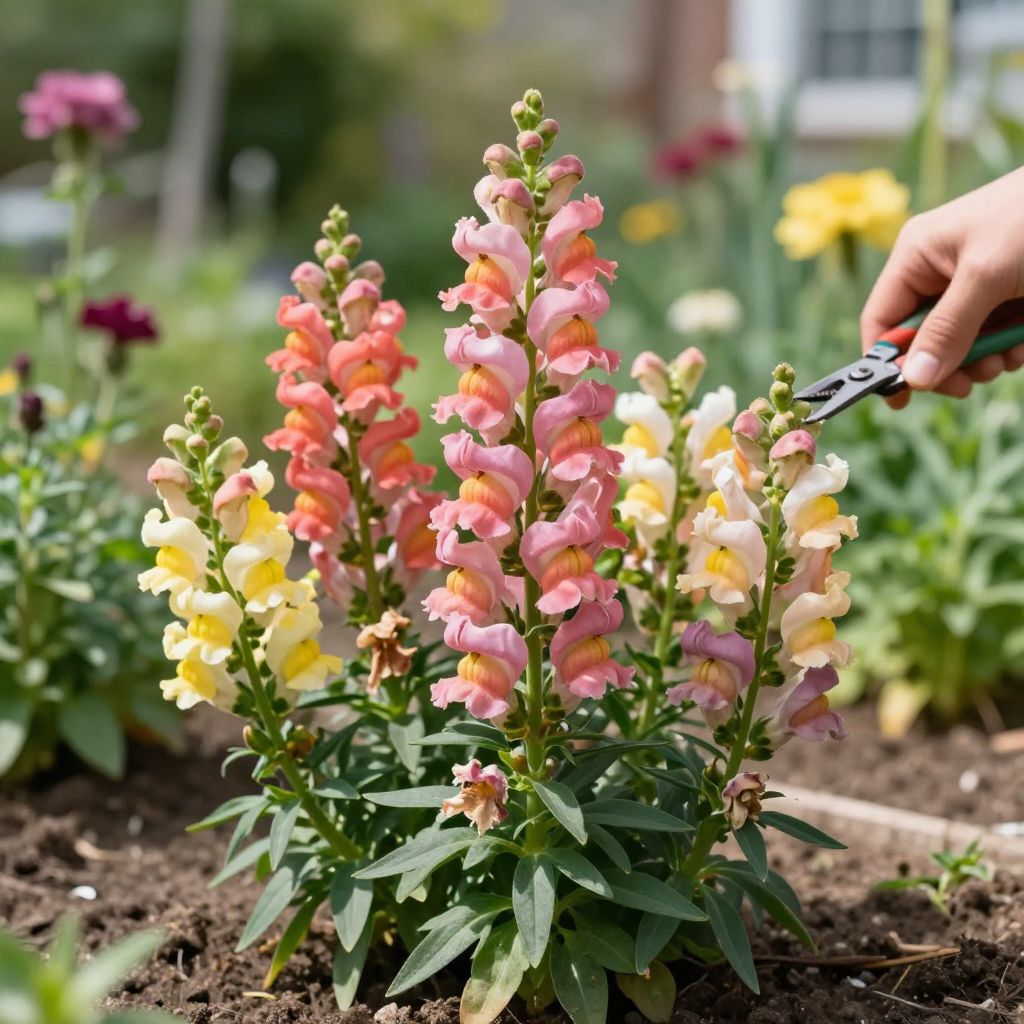
Do snapdragons bloom all summer? They can, but usually not nonstop in every climate. Snapdragons are cool-season bloomers that often flower best in spring and again in fall, with a pause or slowdown during the hottest part of summer.
If you want longer bloom time, the key is choosing the right varieties, deadheading regularly, and giving plants the conditions they prefer: full sun, good drainage, and moderate moisture. With the right care, you can often keep them flowering far longer than a single spring flush.
Do snapdragons bloom all summer?
Snapdragons (Antirrhinum majus) can bloom through much of summer in mild climates or when temperatures stay cool, but in hot weather they often slow down, look tired, or stop flowering altogether. To extend bloom time, grow them in full sun, keep soil evenly moist, and remove spent flowers regularly.
Why snapdragons slow down in summer
Snapdragons are naturally cool-weather plants. When temperatures climb, especially during warm nights, they often put energy into surviving instead of producing flowers.
That is why many gardeners see a strong spring display, a summer pause, and then a second bloom period in early fall once temperatures ease.
Heat is the main limiting factor
In hot regions, snapdragons may bloom briefly in spring and then decline fast. In cooler coastal or mountain gardens, they may keep flowering much longer, especially if summer heat is modest.
Warm nights are especially hard on snapdragons because the plant cannot recover as well between hot days.
Plant age also matters
Young, actively growing plants usually bloom better than older, stressed ones. If the plant becomes leggy, woody, or crowded, flowering often becomes less reliable.
How to get the longest bloom season
You cannot force snapdragons to bloom endlessly in hot weather, but you can stretch the season with good care. The goal is to keep the plant healthy enough to keep setting buds.
Choose the right planting site
- Give snapdragons full sun in cooler climates.
- In hotter areas, morning sun and light afternoon shade can help.
- Plant in soil that drains well so roots do not stay soggy.
Good drainage matters as much as sunlight. Snapdragons dislike waterlogged soil, which can weaken roots and reduce flowering.
Water consistently, not excessively
Keep the soil evenly moist, especially while plants are establishing and during bud formation. Let the top layer of soil dry slightly before watering again.
Try to water at the base of the plant rather than overhead. Wet foliage can encourage disease, especially in humid weather.
Feed lightly for steady growth
Too much nitrogen can produce lush leaves and fewer flowers. A balanced, light feeding approach is usually better than heavy fertilizing.
- Use compost to improve soil before planting.
- If needed, apply a balanced flower fertilizer according to label directions.
- Avoid high-nitrogen lawn-type fertilizers near snapdragons.
Deadhead to encourage more blooms
Removing spent flowers can prompt the plant to make new buds instead of seeds. This is one of the simplest ways to extend bloom time.
- Wait until a flower spike fades and starts browning.
- Cut the stem back to a healthy side shoot or leaf node.
- Repeat every few days during peak bloom.
If you skip deadheading, the plant often shifts into seed production sooner, which shortens the flowering season.
Best growing conditions for longer flowering
Snapdragons perform best when their growing conditions match their cool-season nature. If you are trying to keep them blooming into summer, small adjustments can make a big difference.
Soil and drainage
Snapdragons prefer fertile, well-drained soil with plenty of organic matter. A loose soil structure helps roots grow deeply and stay active longer.
If your soil is heavy clay, mix in compost to improve texture and drainage. In very wet sites, raised beds can help prevent root problems.
Sunlight
Most snapdragons bloom best with at least 6 hours of sun daily in cool regions. In hot climates, too much intense afternoon sun can shorten bloom time, so some afternoon shade may help.
If the plants stretch and flop, they may be getting too little light. If flower spikes fade quickly in extreme heat, they may need a little protection from the hottest sun.
Temperature
Cooler temperatures encourage more flowers. When summer heat arrives, flowering often slows naturally, even if the plant is otherwise healthy.
For that reason, many gardeners treat snapdragons as a spring and fall flower rather than a true all-summer performer.
How to keep snapdragons blooming longer in hot weather
If your summers are warm, you can still enjoy snapdragons by using a few practical strategies.
- Mulch lightly to help keep roots cooler and soil moisture steadier.
- Water early in the day so plants are less stressed before heat builds.
- Remove faded spikes promptly.
- Provide afternoon shade in very hot climates.
- Grow them where air can move freely to reduce disease pressure.
These steps will not make snapdragons love heat, but they can help them remain attractive and bloom longer before summer stress takes over.
Should you cut snapdragons back in summer?
Sometimes a light trim helps revive tired plants, especially if the first flush of bloom has passed and stems are getting leggy. Cut back faded stems to encourage fresh side growth.
However, if the weather is very hot, a hard cutback may not trigger much new flowering until temperatures cool. In that case, it may be better to keep the plants tidy and wait for fall.
When pruning helps
- Plants are tall and floppy.
- Most flower spikes have finished.
- The weather is still mild enough for regrowth.
When to leave them alone
- The plant is already heat-stressed.
- Leaves are yellowing from drought or root issues.
- Summer temperatures are consistently high.
Common problems that reduce bloom time
If snapdragons stop flowering early, the cause is often environmental stress rather than a serious disease. Check the growing conditions first.
Leggy growth
Leggy plants often come from too little light or overcrowding. They may produce fewer flowers and topple more easily.
Space plants well and make sure they are not shaded by taller neighbors.
Poor drainage
Waterlogged soil can stunt roots and reduce blooming. If the soil stays wet for long periods, the plant may decline even if the top growth looks okay at first.
Improve drainage with compost, raised beds, or better siting before planting again.
Powdery mildew and leaf diseases
Humid weather, crowding, and overhead watering can encourage leaf diseases. Once foliage is damaged, the plant may have less energy for flowers.
Remove badly affected leaves, improve airflow, and water at soil level.
Insects
Aphids can cluster on tender growth and flower spikes. They may distort buds and reduce bloom quality.
- Inspect new growth regularly.
- Wash small infestations off with a strong spray of water.
- Encourage beneficial insects by avoiding unnecessary broad-spectrum sprays.
Can you grow snapdragons for a second bloom?
Yes. In many areas, snapdragons often bloom again when temperatures cool in late summer or fall. This second flush can be very strong if the plants stayed healthy through the heat.
To improve your chances, keep the plants watered, deadhead regularly, and avoid letting them dry out completely during summer.
Annual or perennial: what to expect
Snapdragons are often grown as annuals, though in very mild climates some types may behave as short-lived perennials. Even then, summer heat can still reduce flowering.
So the real answer to “Do snapdragons bloom all summer?” is: sometimes, but not reliably everywhere. In many gardens, they are best thought of as cool-season bloomers with a possible summer pause.
Simple care checklist for longer bloom time
- Plant in well-drained soil enriched with compost.
- Give full sun in cool climates, or light afternoon shade in hot ones.
- Water consistently without soaking the soil.
- Deadhead faded flower spikes often.
- Watch for aphids, mildew, and heat stress.
- Expect the best bloom in spring and again in fall in many regions.
Conclusion
Snapdragons can bloom for a long stretch, but in most gardens they do not flower nonstop all summer unless temperatures stay mild. If you want the longest show, focus on cool conditions, steady moisture, and regular deadheading. Start by checking your plants today and remove any faded spikes to encourage the next round of blooms.
If you want to plan a longer-lasting flower border, you may also enjoy reading about how to deadhead flowers for more blooms and the best cool-season annuals for spring and fall color.