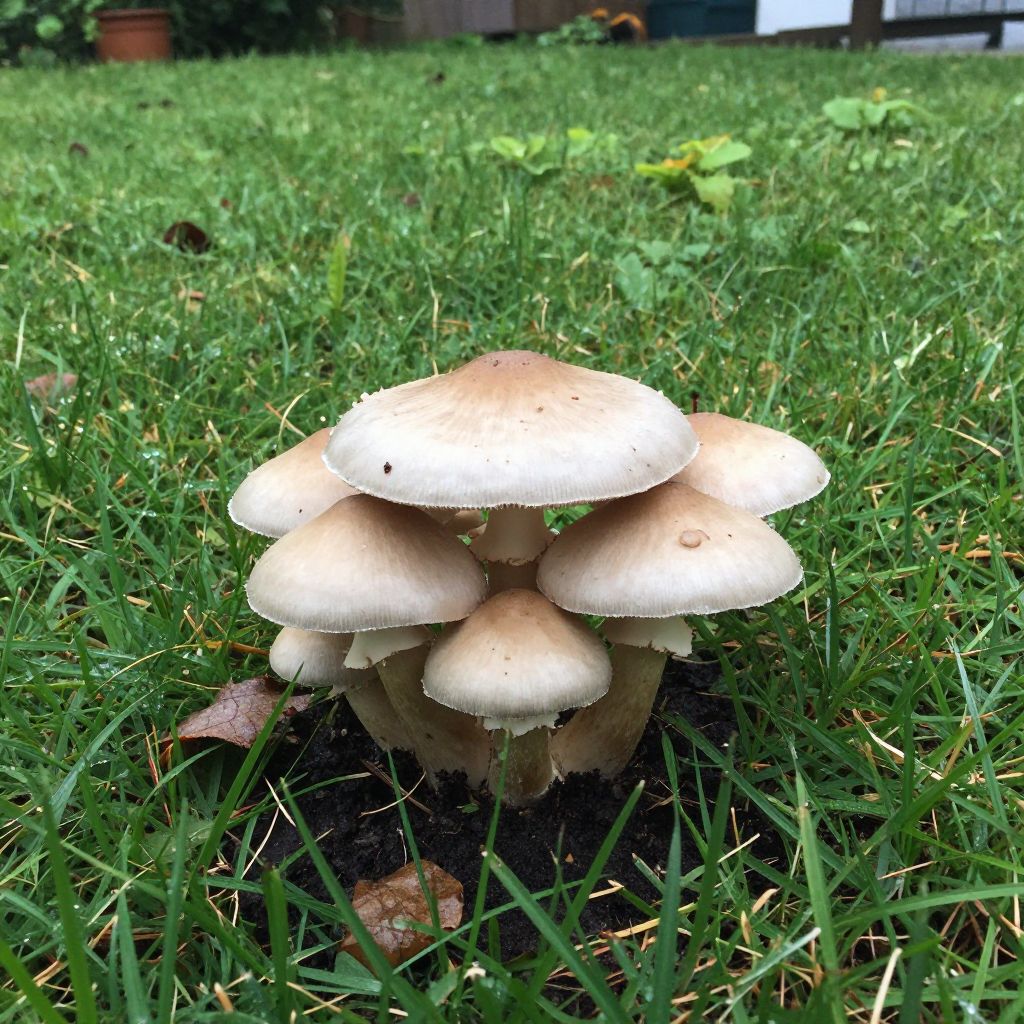
Why do mushrooms grow in my yard? In most cases, it means the soil is moist, rich in decaying organic matter, and cool enough for fungal growth. Mushrooms are the fruiting bodies of fungi already living in the soil, mulch, wood chips, roots, or buried debris.
They are usually a sign of active decomposition rather than a serious lawn problem. The real question is whether the mushrooms are harmless, useful, or a clue that your yard has too much moisture, compacted soil, or hidden organic material.
Why do mushrooms grow in my yard?
Mushrooms grow in your yard when fungi have food, moisture, and shade. They often appear after rain or irrigation, especially in lawns with mulch, buried wood, tree roots, or thatch. In most cases, mushrooms are temporary and harmless, but repeated flushes can point to drainage or watering issues.
What mushrooms in the yard usually mean
Mushrooms are the visible reproductive stage of fungi. The fungus itself may be breaking down dead roots, old stumps, leaves, grass clippings, or wood buried under the soil.
That means the mushrooms are often a sign of a functioning ecosystem, not a disease in your lawn.
Common reasons they appear
- Excess moisture from rain, overwatering, or poor drainage.
- Organic material in the soil such as wood chips, buried lumber, old roots, or thick mulch.
- Shade and low airflow that keep the ground damp longer.
- Compacted soil that slows drainage and traps moisture.
- Thatch buildup in lawns, which holds water and feeds fungi.
- Seasonal weather changes like warm, wet periods after a dry spell.
Are mushrooms in the yard bad?
Not usually. Many lawn mushrooms are harmless to grass and plants, and some help recycle nutrients in the soil. The main concerns are safety, especially for children and pets, and whether the conditions that encourage mushrooms are also stressing your lawn.
Some mushrooms are poisonous, so do not assume any wild mushroom is safe to touch, eat, or let pets chew on.
When to be cautious
- If children or pets play in the yard and may ingest mushrooms.
- If mushrooms keep returning in the same spot, especially near buried wood or a stump.
- If the lawn is soggy, smells musty, or has patches of thinning grass.
- If you notice mushrooms growing from a tree base, mulch bed, or dead root zone.
How to identify the cause in your yard
Before you try to remove mushrooms, look at the site conditions. The location often tells you more than the mushroom itself.
- Check moisture. Is the area wet for long periods after rain or watering?
- Look for organic debris. Inspect mulch, buried wood, old stumps, roots, or leaf litter.
- Notice shade. Areas under trees, fences, or north-facing walls stay damp longer.
- Test drainage. If water puddles or the soil feels spongy, drainage may be poor.
- Review lawn care. Heavy thatch, frequent shallow watering, or overfertilizing can contribute to fungal growth.
How to get rid of mushrooms in the yard
You can remove mushrooms, but the key is changing the conditions that support them. If you only pick the caps, new ones usually return after the next wet period.
Step-by-step removal and cleanup
- Remove mushrooms promptly. Pull them by hand or cut them off at the base. Wear gloves.
- Bag and discard them. Do not compost mushrooms if you want to avoid spreading spores or encouraging regrowth in the compost pile.
- Rake away excess debris. Clear leaves, grass clippings, and old mulch mats.
- Check for buried wood. If mushrooms keep appearing in one spot, there may be roots, stumps, or construction debris underground.
- Improve airflow and light. Thin dense shrubs or tree canopy where appropriate to help the area dry faster.
What not to do
- Do not spray mushrooms with household chemicals and expect a lasting fix.
- Do not overwater to “wash them away.”
- Do not assume all mushrooms are edible or harmless.
- Do not dig deeply around tree roots unless you know the area can handle disturbance.
Fix the growing conditions, not just the mushrooms
If mushrooms keep returning, the site likely stays too wet or contains decomposing material underground. Long-term control means improving soil and water management.
Reduce excess moisture
- Water only when the lawn or planting area actually needs it.
- Water deeply but less often, rather than giving frequent light sprinklings.
- Avoid watering late in the day if the area already stays damp overnight.
- Redirect downspouts or runoff if water collects in one section of the yard.
Improve drainage
If water pools after rain, mushrooms may be a symptom of poor drainage. In that case, the solution may involve aerating compacted soil, topdressing with compost in thin layers, or reshaping low spots so water can move away.
For severe drainage problems, you may need a more permanent fix such as a French drain, regrading, or replacing the area with plants that tolerate wetter soil.
Manage mulch correctly
Mulch is useful, but too much of it can feed fungi and hold moisture against the soil surface. Keep mulch 2 to 3 inches deep in beds, and pull it back a few inches from trunks and stems.
If mushrooms are appearing in old, matted mulch, fluff it, thin it, or replace it if it has broken down into a soggy layer.
How lawn care affects mushroom growth
Healthy turf can still have mushrooms, but lawn stress often makes fungal flushes more noticeable. Thick thatch, compacted soil, and shaded, overwatered grass create ideal conditions.
Helpful lawn maintenance habits
- Aerate compacted soil if your lawn feels hard or drains slowly.
- Dethatch if the thatch layer is thick enough to feel spongy underfoot.
- Mow at the correct height for your grass type so it can shade soil without becoming weak.
- Rake up clippings only if they are forming heavy mats; otherwise, light clippings usually decompose well.
Do not scalp the lawn to “dry it out.” Very short grass can stress turf and make the area more vulnerable to weeds and heat.
Mushrooms in mulch beds and around trees
Mushrooms in mulch beds are especially common because mulch is made of organic material fungi can break down. Around trees, mushrooms may also be feeding on buried roots or decaying wood near the root zone.
What to watch for near trees
- Fruiting near the trunk or root flare.
- Soft, hollow, or decayed wood in the area.
- Cracks, leaning, or dieback in the tree canopy.
If mushrooms are growing at the base of a tree and the tree looks unhealthy, the fungus may be associated with wood decay. In that case, it is worth getting a qualified arborist to inspect the tree.
Can you prevent mushrooms completely?
Not always, and in many yards you do not need to. Fungi are a normal part of soil life. The realistic goal is to reduce repeated mushroom flushes in places where they are unwanted or unsafe.
Prevention works best when you combine several small changes rather than relying on one treatment.
Best prevention checklist
- Water only as needed for your climate and soil type.
- Improve drainage in low spots.
- Remove buried wood, old roots, and excess debris when possible.
- Keep mulch at a moderate depth.
- Reduce shade and humidity where practical.
- Maintain healthy turf with proper mowing and aeration.
When to call a professional
Most mushroom growth is a normal yard issue, but some situations deserve expert help. Call a lawn professional, arborist, or local extension service if mushrooms keep returning with tree decline, major drainage problems, or suspected wood decay.
You should also seek help if you cannot identify whether the growth is coming from mulch, buried debris, or a living tree root system.
Conclusion
Why do mushrooms grow in my yard? Usually because moisture, organic matter, and shade have created the right conditions for fungi. Start by removing the mushrooms, then correct the cause: improve drainage, reduce excess watering, thin heavy mulch, and look for buried wood or compacted soil.
If you want to keep learning about healthy soil and yard maintenance, consider reading more about how to improve lawn drainage and mulching tips for garden beds.