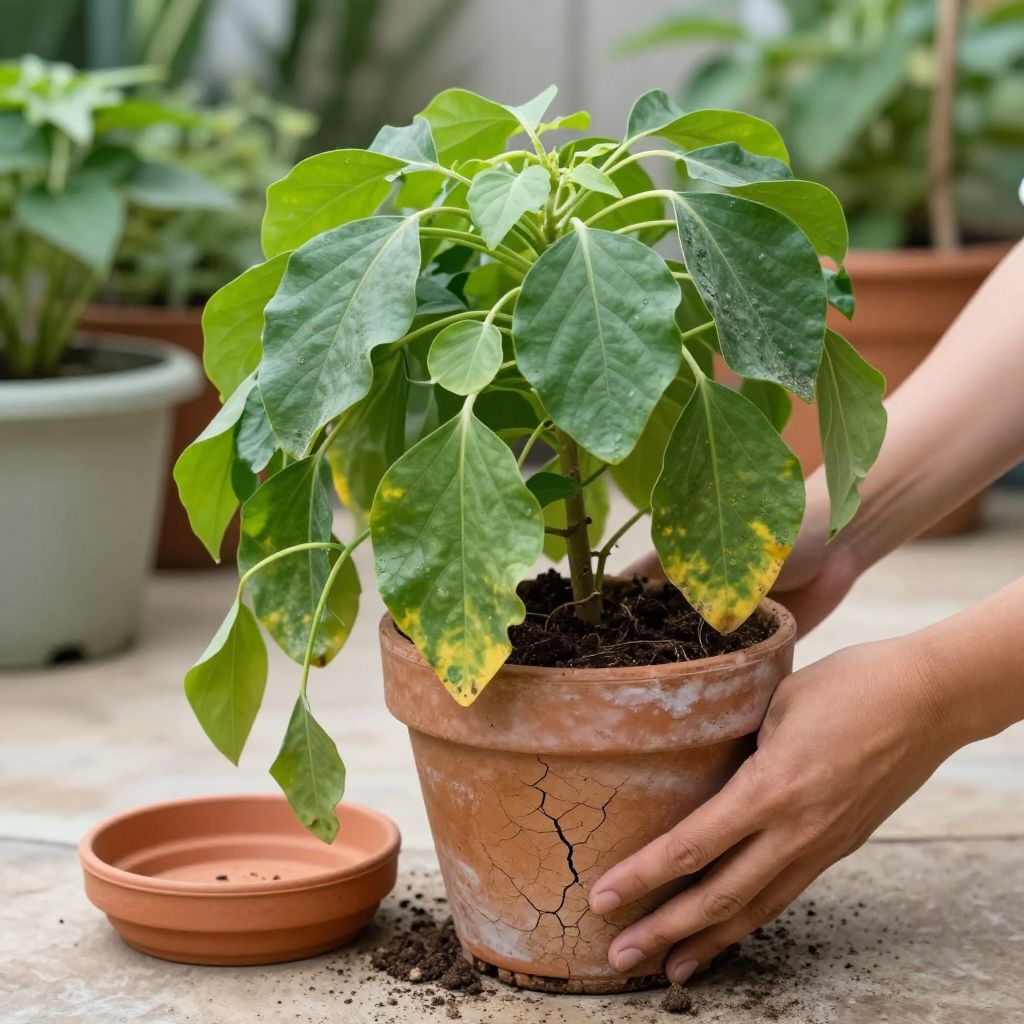
Why is my plant drooping? A drooping plant is usually telling you that something in its growing conditions is out of balance, most often water, light, temperature, or root health. The good news is that many causes are reversible if you diagnose the problem early.
The key is to look at the whole plant and its environment, not just the leaves. A plant can wilt from too little water, but it can also droop because the roots are waterlogged, damaged, compacted, or unable to take up moisture properly.
Why is my plant drooping?
Most drooping plants are reacting to stress from watering problems, poor drainage, heat, cold, low light, root damage, pests, or disease. Check the soil first: dry soil points to underwatering, while soggy soil often means root trouble. Then inspect leaves, stems, and the pot or planting site for clues before you water again.
Start with the soil: dry, wet, or just right?
Soil moisture is the fastest way to narrow down the cause. Feel the soil with your finger 1 to 2 inches deep for small pots and 2 to 4 inches deep for larger containers or garden beds.
If the soil is dry
Dry soil usually means the plant is dehydrated, especially in hot weather, windy conditions, or small containers that dry quickly. Leaves may look limp, thin, or curled, and the whole plant may perk up within hours after a thorough watering.
- Water slowly until it drains from the bottom of the pot or soaks several inches into the bed.
- For very dry potted plants, water in two passes so the mix can absorb moisture evenly.
- Mulch outdoor plants to slow evaporation and reduce repeat wilting.
If the soil is wet or soggy
Soggy soil can cause drooping even though the plant has plenty of water available. When roots sit in water, they lose oxygen and stop functioning well, so the plant wilts as if it were dry.
- Stop watering until the top layer of soil dries.
- Check that pots have drainage holes and that saucers are emptied after watering.
- For garden beds, improve drainage with compost and avoid planting in low spots that stay wet.
Important: Do not assume a drooping plant needs more water. If the soil is already wet, more water can make the problem worse.
Common watering mistakes that cause drooping
Many plants droop because watering is irregular rather than simply too much or too little. A plant that dries out, then gets drenched, may struggle to keep up with the swings in moisture.
Underwatering
Underwatering is common in containers, hanging baskets, newly planted shrubs, and thirsty annuals. The plant may droop in the afternoon and recover by evening, which is a sign it is losing water faster than its roots can replace it.
Overwatering
Overwatering often shows up as soft, limp growth, yellowing leaves, and soil that stays wet for days. In severe cases, stems may feel mushy or smell sour, which can indicate root rot.
How to water correctly
- Water deeply rather than giving frequent shallow sprinkles.
- Wait until the top inch or two of soil dries before watering again, but adjust for plant type and weather.
- Water at the base of the plant to keep foliage drier and reduce disease risk.
- Use a finger test, moisture meter, or pot weight to judge when to water.
Could poor drainage be the real problem?
Yes. Even if you water carefully, a plant can droop if excess water cannot move away from the roots. Heavy clay soil, compacted ground, undersized pots, and containers without drainage all contribute to root stress.
Signs of drainage trouble
- Soil stays wet long after watering or rain.
- The plant droops while the soil still feels damp.
- Leaves yellow, especially lower leaves, before falling.
- Roots look brown, soft, or smell rotten when inspected.
Practical fixes
- Repot into a container with drainage holes and fresh potting mix if the plant is in a pot.
- Loosen compacted garden soil and mix in compost to improve structure over time.
- Raise beds or plant on mounds in areas with poor drainage.
- Avoid burying stems too deeply, which can worsen rot in some plants.
Is your plant getting too much sun, heat, or wind?
Heat stress can make a healthy plant droop during the hottest part of the day, especially if it is newly planted, recently moved, or growing in a hot, exposed site. Strong sun and drying wind increase water loss from leaves faster than roots can replace it.
What heat stress looks like
Plants may wilt in the afternoon, then recover overnight. Leaves can look scorched, curled, or dull, and container plants are especially vulnerable because pots heat up quickly.
How to reduce stress
- Give temporary shade with shade cloth, a patio umbrella, or nearby taller plants.
- Move containers to a cooler location during heat waves.
- Water early in the day so plants start the heat with adequate moisture.
- Add mulch around outdoor plants to keep roots cooler and reduce evaporation.
What about low light or sudden light changes?
Plants grown in too little light may become weak, stretched, and floppy rather than firm and upright. A sudden move from shade to bright sun can also cause drooping because the plant is not acclimated to the stronger light.
How to tell if light is the issue
- Stems are long and weak.
- Leaves are smaller than normal or spaced far apart.
- The plant leans toward a window or light source.
- New growth looks pale or thin.
Fixing light problems
Move the plant gradually to brighter conditions over 7 to 14 days if possible. For indoor plants, rotate the pot every week so growth stays even. For outdoor plants, match the plant to the site it prefers rather than forcing sun-loving plants into shade or shade plants into harsh afternoon light.
Could root damage or rootbound growth be causing the droop?
Yes. Roots that are crowded, circling the pot, damaged by transplant shock, or disturbed by pests can no longer support the top growth well. The plant may droop even when soil moisture seems fine.
Rootbound plants
A rootbound plant dries out quickly and may wilt soon after watering because the root ball is packed tightly. You may see roots circling the inside of the pot or coming out of drainage holes.
What to do
- Repot into a container only one size larger if the plant is rootbound.
- Gently loosen circling roots before replanting.
- Use fresh, well-draining potting mix rather than old, compacted mix.
- Water thoroughly after repotting, then keep conditions stable while the plant settles.
Transplant shock
Recently moved plants often droop for a short time as roots re-establish. Keep them evenly moist, protect them from harsh sun and wind, and avoid heavy pruning or fertilizing until you see new growth.
Check for pests and diseases
Insects and diseases can make plants droop by damaging stems, leaves, or roots. The earlier you catch them, the easier they are to manage.
Common pest clues
- Sticky leaves or nearby surfaces
- Fine webbing, speckling, or distorted new growth
- Clusters of aphids on tender stems
- Chewed leaves or damaged stems
Common disease clues
- Spots, cankers, or darkened stems
- Mushy tissue near the base
- Wilting that does not improve after watering
- Sudden collapse of one branch or the whole plant
If you suspect disease, remove badly affected parts with clean tools and avoid composting diseased material unless you know it is safe for your system. For pest problems, rinse small infestations off with water and use appropriate controls for the specific pest.
How to troubleshoot a drooping plant step by step
- Check the soil moisture with your finger or a moisture meter.
- Look for drainage problems, standing water, or a pot without holes.
- Inspect leaves, stems, and the undersides of leaves for pests or damage.
- Consider recent changes: heat, cold, transplanting, repotting, or moving the plant.
- Examine roots if the plant is in a pot and the cause is still unclear.
- Correct one likely problem at a time so you can see what helps.
When drooping is normal and when it is urgent
Some plants droop temporarily at midday in hot weather and recover by evening. That is often a stress response, not a failure, especially for thirsty annuals and newly planted specimens.
It is more urgent if the drooping is sudden, severe, or paired with yellowing, blackened stems, mushy roots, or no recovery after watering. In those cases, act quickly to check roots, drainage, and disease.
How to help the plant recover
Once you identify the cause, recovery is usually about restoring balance and avoiding extra stress. Keep the plant stable while it rebounds.
- Water only as needed based on soil moisture, not habit.
- Move the plant to better light or shelter if conditions are too harsh.
- Remove dead or badly damaged leaves and stems if needed.
- Pause fertilizing until the plant shows healthy new growth.
- Use mulch outdoors to moderate moisture and temperature swings.
For indoor plants, also check whether the pot is too small, the room is too hot or cold, or the plant is sitting near a vent, radiator, or drafty window. Small environmental changes can make a big difference.
Conclusion
If you are asking, “Why is my plant drooping,” start with soil moisture, then check drainage, light, temperature, and roots. Most drooping plants can recover once the real cause is corrected. Take a close look today, make one practical fix, and give the plant a few days to respond.
For more help with plant care and problem-solving, you may also want to read about how to tell if overwatering is hurting your plants and improving garden soil drainage.