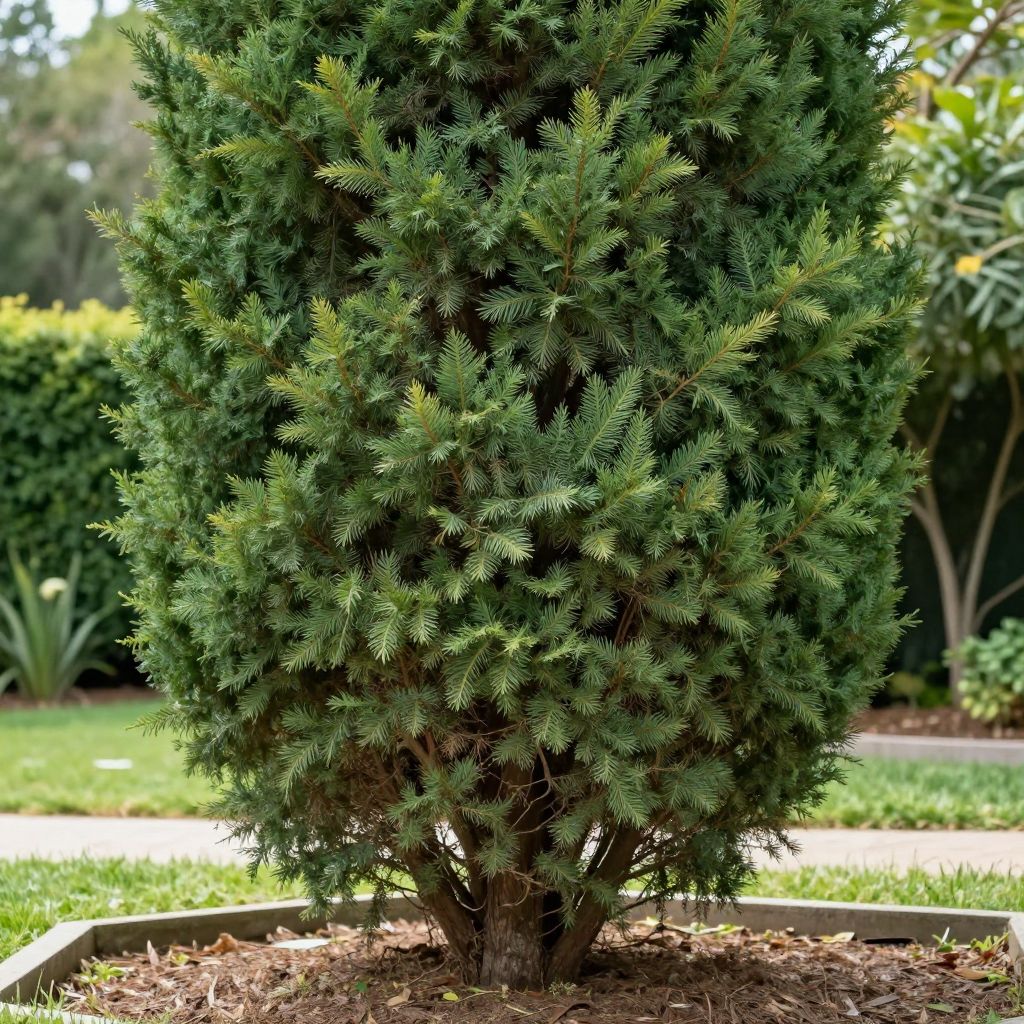
What does a cypress tree look like? If you’re trying to identify one in a yard, park, or wetland, the answer is usually a tall, narrow evergreen with soft, feathery foliage and a graceful, upright habit. But “cypress” can refer to several different trees, so the exact look depends on the species and where it’s growing.
This guide will help you recognize cypress trees by their leaves, bark, cones, shape, and growing habits. You’ll also learn the conditions they prefer, how to plant and care for them, and how to avoid common identification mistakes.
What does a cypress tree look like?
A cypress tree is usually an evergreen conifer with scale-like or feathery leaves, a slender to pyramidal form, and reddish-brown or gray bark that becomes fibrous with age. Many cypresses have soft, airy foliage rather than stiff needles, and some grow in damp soil or near water.
Key features to identify a cypress tree
1. Foliage: soft, scale-like, or feathery
The most useful clue is the foliage. Many cypress trees have tiny overlapping leaves that hug the stems, giving branches a flat, feathery, or lace-like look.
Depending on the species and age of the tree, the leaves may appear:
- Scale-like and tightly pressed to the twig
- Soft and feathery, especially on younger growth
- Blue-green, gray-green, or bright green
- Aromatic when crushed, though not strongly in every species
2. Shape: upright, columnar, or broadly conical
Many cypress trees grow in a tall, narrow form, especially when young. Some stay columnar, while others widen into a pyramidal or rounded shape as they mature.
If a tree looks elegant and vertical with layered sprays of evergreen foliage, cypress is a good possibility. In open spaces, older trees may develop a broader crown.
3. Bark: fibrous, shredding, or ridged
Cypress bark often changes with age. Young trees may have smoother bark, while older specimens develop a fibrous, stringy, or ridged surface that peels in strips.
The bark is usually gray-brown, reddish-brown, or cinnamon-toned. It is not typically deeply furrowed like some oaks, which helps narrow down identification.
4. Cones: small, woody, and round
Cypress trees produce cones rather than flowers. The cones are usually small, woody, and round to oval, often about the size of a marble or slightly larger, depending on the species.
Look for these cones tucked among the foliage. They may start green and mature to brown, eventually opening to release seeds.
5. Growth habit and setting
Where the tree grows can also help. Many cypress species prefer moist soil, riverbanks, or low-lying areas, though some landscape types tolerate drier conditions once established.
If you see a cypress-like tree near water, in a rain garden, or in a damp landscape bed, that habitat clue matters.
Common cypress types and how they differ
Bald cypress (Taxodium distichum)
Bald cypress is one of the best-known cypress trees in North America. It has soft, feathery needles arranged in two ranks along the twig, giving it a delicate look in spring and summer.
In fall, the foliage turns coppery orange to brown and drops, which surprises many gardeners because it is a conifer but not fully evergreen. It often grows in wet soil and may develop distinctive “knees” in saturated ground.
Monterey cypress (Cupressus macrocarpa)
Monterey cypress is usually evergreen with dense, coarse sprays of bright green foliage. It often has a windswept, irregular shape in coastal areas and can become broad and massive over time.
It is a classic landscape tree in mild coastal climates, but it does not suit every region because it dislikes extreme heat or prolonged drought without support.
Italian cypress (Cupressus sempervirens)
Italian cypress is the tall, narrow “column” tree many people picture first. It has a very upright habit, tight foliage, and a formal appearance that works well in Mediterranean-style landscapes.
Its shape is one of the easiest identification clues: if the tree looks like a living green pillar, it may be Italian cypress.
Arizona cypress (Cupressus arizonica)
Arizona cypress often has a bluish-gray to silvery cast, especially in some landscape forms. The foliage is denser than bald cypress and usually remains evergreen year-round.
It is more drought-tolerant than many other cypresses once established, which makes it useful in dry landscapes with well-drained soil.
How to tell cypress apart from similar trees
Cypress vs. juniper
Junipers are often confused with cypress because both can have scale-like foliage. The difference is usually in texture and cone type: junipers often have berry-like cones, while cypress cones are woody and round.
Juniper foliage may also feel sharper or more prickly, especially on juvenile growth.
Cypress vs. arborvitae
Arborvitae also has scale-like leaves, but its sprays are often flatter and more fan-shaped. Many arborvitae cultivars have a softer, more uniformly layered look than cypress.
If the tree has woody round cones and a more rugged or feathery texture, cypress is more likely.
Cypress vs. cedar
True cedars are different trees entirely, though the name is often used loosely in landscaping. Cedars usually have needle clusters or a different overall structure than cypress.
When in doubt, look closely at the foliage arrangement and cone shape rather than the common name on a label.
Growing conditions cypress trees prefer
Knowing what cypress trees like helps you identify them and grow them well. Most cypresses prefer full sun, though some tolerate light shade. Soil needs vary by species, but drainage is always important unless you are growing a wetland-loving type such as bald cypress.
Sunlight
- Full sun is best for most cypress trees.
- Too much shade can lead to thin growth and sparse foliage.
- In hot climates, young trees may benefit from some afternoon protection while establishing.
Soil
Many cypresses grow best in moderately fertile, well-drained soil. Bald cypress is the major exception and can handle wetter ground far better than most conifers.
If your soil is heavy clay, improve drainage before planting most cypress species. Raised beds or mounded planting sites can help in poorly drained areas.
Water
Newly planted cypress trees need consistent moisture while roots establish. After that, water needs depend on species and climate.
Do not assume all cypress trees want soggy soil. Some tolerate wet conditions, but many landscape cypresses suffer if roots stay waterlogged for long periods.
How to plant a cypress tree
If you’re planting a cypress, the most important step is matching the species to the site. A tree that naturally likes wet ground will struggle in a dry, hot bed, and a drought-tolerant species may decline in a constantly soggy spot.
- Choose a site with the right sun exposure and mature size in mind.
- Dig a hole as deep as the root ball and 2 to 3 times as wide.
- Set the tree so the root flare sits at or slightly above soil level.
- Backfill with the native soil unless it is severely compacted or poor-draining.
- Water thoroughly to settle the soil around the roots.
- Apply 2 to 3 inches of mulch, keeping it a few inches away from the trunk.
Avoid planting too deep. This is one of the most common mistakes and can lead to root stress, trunk rot, and slow decline.
Pruning and maintenance
Cypress trees usually need only light pruning. Remove dead, broken, or crossing branches, and shape young trees gently if needed. Avoid cutting back into old bare wood on species that do not resprout reliably from old growth.
For formal hedge types, light trimming during the active growing season may help maintain shape. Keep cuts shallow and even, and do not shear so hard that you expose large brown interior areas.
Good maintenance habits
- Check mulch yearly and refresh it if it has broken down.
- Water deeply during dry spells, especially in the first few years.
- Watch for crowded roots or soil compaction near the base.
- Inspect for pests and browning foliage each season.
Common pests and diseases
Cypress trees are generally tough, but stress can make them vulnerable. Poor drainage, drought, and planting too deeply are frequent causes of decline.
Potential problems
- Root rot in soil that stays wet too long
- Bagworms or other chewing insects on some landscape cypresses
- Spider mites in hot, dry weather
- Needle or twig browning from drought stress or disease
If you notice browning, check the roots, soil moisture, and trunk base before assuming a pest problem. Many cypress issues start with site stress rather than insects.
Propagation basics
Home gardeners usually propagate cypress from cuttings rather than seed, especially if they want a plant that matches the parent tree. Softwood or semi-hardwood cuttings are commonly used, depending on the species and season.
Seeds can be used for some species, but germination may be slower and less predictable. If you are trying to clone a specific landscape tree, cuttings are usually the better option.
When a cypress tree is not a cypress
Sometimes trees are called cypress in common names even when they are not true cypress. That is why it helps to look at several features together: foliage, cones, bark, growth habit, and site conditions.
If the tree has flat fan-like sprays, berry-like cones, or very different needles, it may be another conifer such as juniper or arborvitae. A clear photo of the foliage and cones is often enough to narrow it down.
Quick identification checklist
- Evergreen or seasonally deciduous conifer
- Soft, feathery, or scale-like foliage
- Small woody round cones
- Fibrous or shredding bark
- Upright, pyramidal, or columnar form
- Often associated with moist soil or full sun, depending on species
Conclusion
To identify a cypress tree, look for soft evergreen foliage, woody round cones, fibrous bark, and a graceful upright form. Then compare the tree’s shape and growing site with common species such as bald cypress, Italian cypress, or Monterey cypress. If you want, take a close photo of the foliage and cones and compare it with a reliable tree guide before planting or pruning.
For more help identifying trees in your yard, see what type of tree is this?