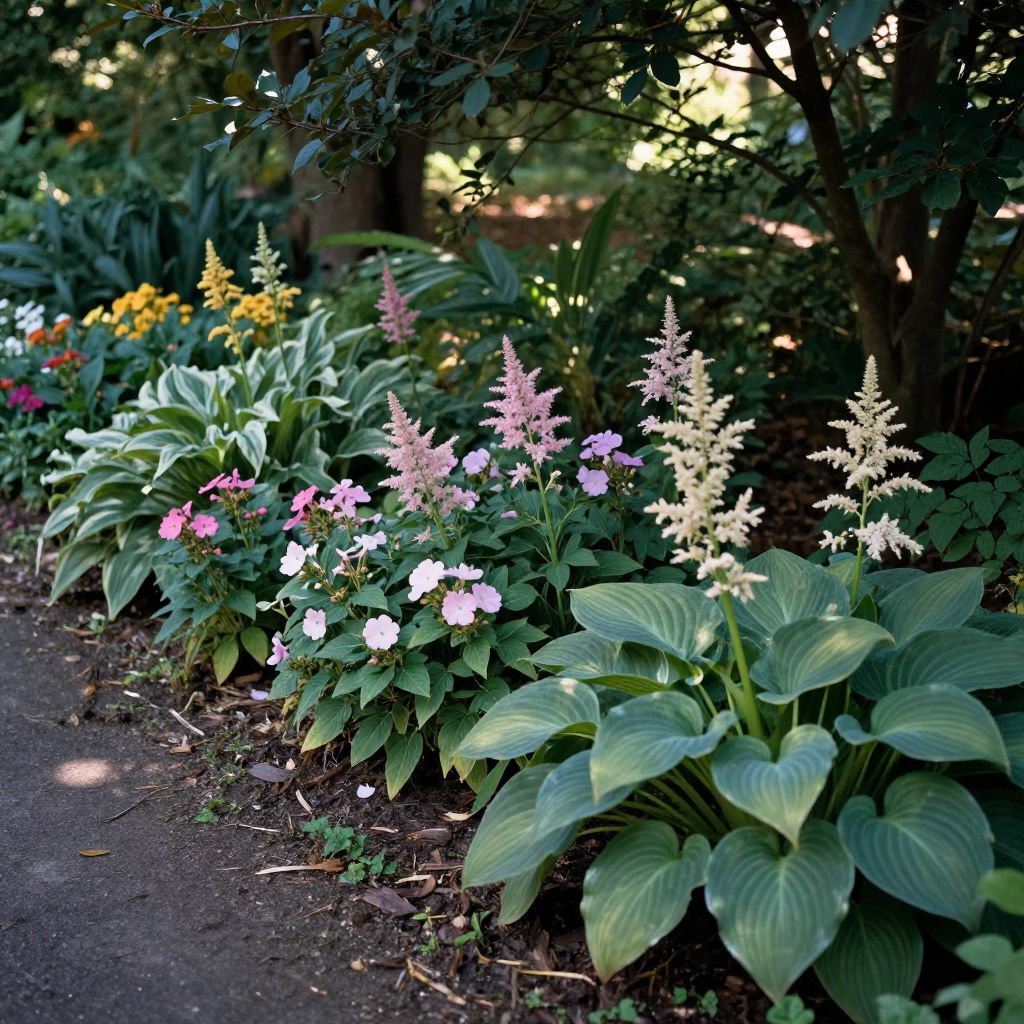
What flowers grow well in shade? If your garden gets only dappled light, morning sun, or deep shade for much of the day, you still have plenty of beautiful options. The key is choosing plants that match the type of shade you have and giving them the right soil, moisture, and spacing.
Shade gardens can be lush, colorful, and low-stress once established. Many shade-tolerant flowers bloom best with consistent moisture, rich soil, and protection from harsh afternoon sun, so success starts with good site preparation.
What flowers grow well in shade?
Some of the best flowers for shade include impatiens, begonias, astilbe, hellebores, foxgloves, bleeding heart, fuchsia, and woodland natives such as columbine and toad lily. The right choice depends on whether your space has light shade, partial shade, or deep shade, plus your climate and soil moisture.
Understand your shade before you plant
Not all shade is the same. A plant that thrives in bright, filtered light may struggle in dense shade under mature trees or beside a north-facing wall.
Common shade types
- Light shade: Bright areas with several hours of indirect light or filtered sun.
- Partial shade: About 3 to 6 hours of sun, often morning sun and afternoon shade.
- Full shade: Less than 3 hours of direct sun, but still some ambient light.
- Deep shade: Very low light, often under dense evergreens or between buildings.
Most flowering plants do best in light shade or partial shade. In deep shade, foliage plants often perform better than flowers, though a few woodland species can still bloom.
Best flowers for shade gardens
Reliable annuals for shade
- Impatiens (Impatiens walleriana): One of the most dependable choices for bright shade and containers.
- Wax begonia (Begonia semperflorens): Tolerates shade well and blooms for a long season in many climates.
- Torenia (Torenia fournieri): Also called wishbone flower; good for hanging baskets and moist shade.
- Fuchsia: Excellent in cooler, sheltered shade with steady moisture.
Perennials that bloom in shade
- Astilbe: Feathery flower plumes and moisture-loving roots.
- Bleeding heart (Dicentra spectabilis or related species): Spring-blooming and elegant in part shade.
- Hellebore (Helleborus): Tough, early-blooming, and useful in dry shade once established.
- Foxglove (Digitalis): Prefers partial shade in many regions and often self-seeds.
- Columbine (Aquilegia): Handles light shade and attracts pollinators.
- Toad lily (Tricyrtis): A late-season bloomer for woodland shade.
Shade-loving bulbs and tubers
- Wood hyacinth (Hyacinthoides): Good for naturalizing in dappled shade.
- Cyclamen: Some species and hardy types do well in sheltered shade.
- Begonia tubers: Great for containers and bright shade in warm weather.
Flowering shrubs for shady spots
- Hydrangea: Many types flower well with morning sun and afternoon shade.
- Azalea and rhododendron: Prefer filtered light and acidic, well-drained soil.
- Camellia: Suited to mild climates and bright shade.
If you want the most dependable bloom in shade, start with impatiens, begonias, astilbe, hellebores, and hydrangeas. These are widely grown, forgiving, and easier for beginners than many specialty woodland plants.
How to plant flowers in shade successfully
1. Improve the soil first
Shade areas, especially under trees, often have dry, root-filled, or compacted soil. Before planting, loosen the top 6 to 12 inches if possible and mix in compost to improve structure and moisture retention.
A 2- to 3-inch layer of compost worked into the planting area is usually enough to make a noticeable difference. Avoid burying stems too deeply, and do not add so much organic matter that the soil stays soggy.
2. Match the plant to the moisture level
- Moist shade: Astilbe, impatiens, fuchsia, toad lily, and many begonias.
- Average shade: Columbine, foxglove, bleeding heart, hellebore.
- Dry shade: Hellebore, some epimediums, and a few woodland perennials.
Dry shade is one of the hardest garden conditions. If tree roots are competing for water, choose plants adapted to leaner moisture and mulch them well after planting.
3. Give each plant enough space
Shade plants often need good air circulation to reduce disease. Crowding can lead to mildew, leaf spots, and weak flowering.
Check the mature spread on the plant tag and space plants accordingly. If you are filling a border quickly, it is still better to leave gaps than to pack them too tightly.
4. Water deeply after planting
New shade plants need regular moisture while roots establish. Water deeply enough to wet the root zone, then let the top inch or so of soil begin to dry before watering again, unless the plant prefers consistently moist soil.
Under trees, water can be intercepted by roots and canopy cover. In those areas, slow soaking is often more effective than a quick splash from a hose.
Care tips for healthy shade flowers
Watering
Shade does not always mean wet. In fact, many shaded beds dry out slowly at the surface while remaining dry underneath, especially near tree roots.
- Check soil with your finger before watering.
- Water early in the day when possible.
- Use mulch to reduce evaporation.
- Keep leaves dry if your plants are prone to fungal disease.
Mulching
A 2- to 3-inch layer of shredded bark, leaf mold, or compost helps conserve moisture and suppress weeds. Keep mulch a few inches away from crowns and stems to prevent rot.
Feeding
Most shade flowers do not need heavy fertilizing. Too much nitrogen can produce lush leaves and fewer blooms.
Instead, focus on soil health. A spring top-dressing of compost is often enough for perennials and shrubs. Container plants may need a balanced, diluted feed during active growth, depending on the product label and plant response.
Pruning and deadheading
- Remove faded flowers to encourage repeat blooming on annuals and some perennials.
- Cut back leggy growth to keep plants compact.
- Trim damaged or diseased stems promptly.
Some shade perennials, such as hellebores, are best cleaned up by removing old foliage at the right time of year rather than cutting everything back repeatedly.
Common problems in shade gardens
Too little light
If a plant stretches toward the light, blooms poorly, or stays thin and weak, it may need more sun than your site provides. Move it to a brighter spot or replace it with a true shade plant.
Wet feet and root rot
Shady areas can stay damp for long periods, especially in heavy clay soil. Improve drainage with compost, raised beds, or mounded planting areas if water pools after rain.
Never place moisture-loving flowers in waterlogged soil unless the plant specifically tolerates it. Roots need oxygen as much as water.
Powdery mildew and leaf spots
Poor airflow, overhead watering, and crowded plantings can encourage fungal problems. Space plants properly, water at the base, and remove infected leaves when practical.
Slugs and snails
These pests are common in damp shade and can damage tender leaves overnight. Reduce hiding spots, hand-pick them when you can, and keep mulch from becoming overly thick and soggy.
Deer and rabbits
Some shade flowers are more vulnerable than others. If browsing is a problem in your area, choose less palatable plants and protect new plantings with fencing or barriers.
Container ideas for shady patios and porches
Shade flowers can do very well in pots, especially where garden soil is poor or tree roots dominate. Containers also let you move plants to brighter or more sheltered spots as needed.
Good container choices
- Begonias
- Impatiens
- Fuchsia
- Torenia
- Small ferns mixed with flowering plants for texture
Use a high-quality potting mix with good drainage holes. Containers dry out faster than garden beds, so check them often in warm or windy weather.
How to choose the right shade flower for your garden
Start by asking three questions: How much light do you really have, how moist is the soil, and do you want annual color or long-term perennials? That simple checklist will narrow your choices quickly.
- Observe the site for a full day, or several days if possible.
- Note whether the area gets morning sun, dappled light, or deep shade.
- Test the soil drainage after rain.
- Choose plants that match both the light and moisture conditions.
- Group plants with similar needs together for easier care.
For example, a bright, moist border may suit astilbe and hydrangea, while a dry, root-filled area under a tree may be better for hellebores and columbine.
Practical mistakes to avoid
- Planting sun lovers in shade: They may survive but will usually bloom poorly.
- Overwatering without checking soil: Shade soil dries more slowly, so roots can rot.
- Ignoring tree roots: They compete for water and nutrients.
- Using too much fertilizer: This can cause weak, leafy growth.
- Skipping mulch: Shade beds often need moisture conservation and weed control.
Conclusion
If you have been wondering what flowers grow well in shade, the answer is that you have many good choices once you match the plant to your light and soil conditions. Start with dependable shade bloomers like impatiens, begonias, astilbe, hellebores, or hydrangeas, then improve the soil and water carefully as they establish.
For more planning help, you may also want to read about how to improve garden soil with compost and choosing the right mulch for flower beds.