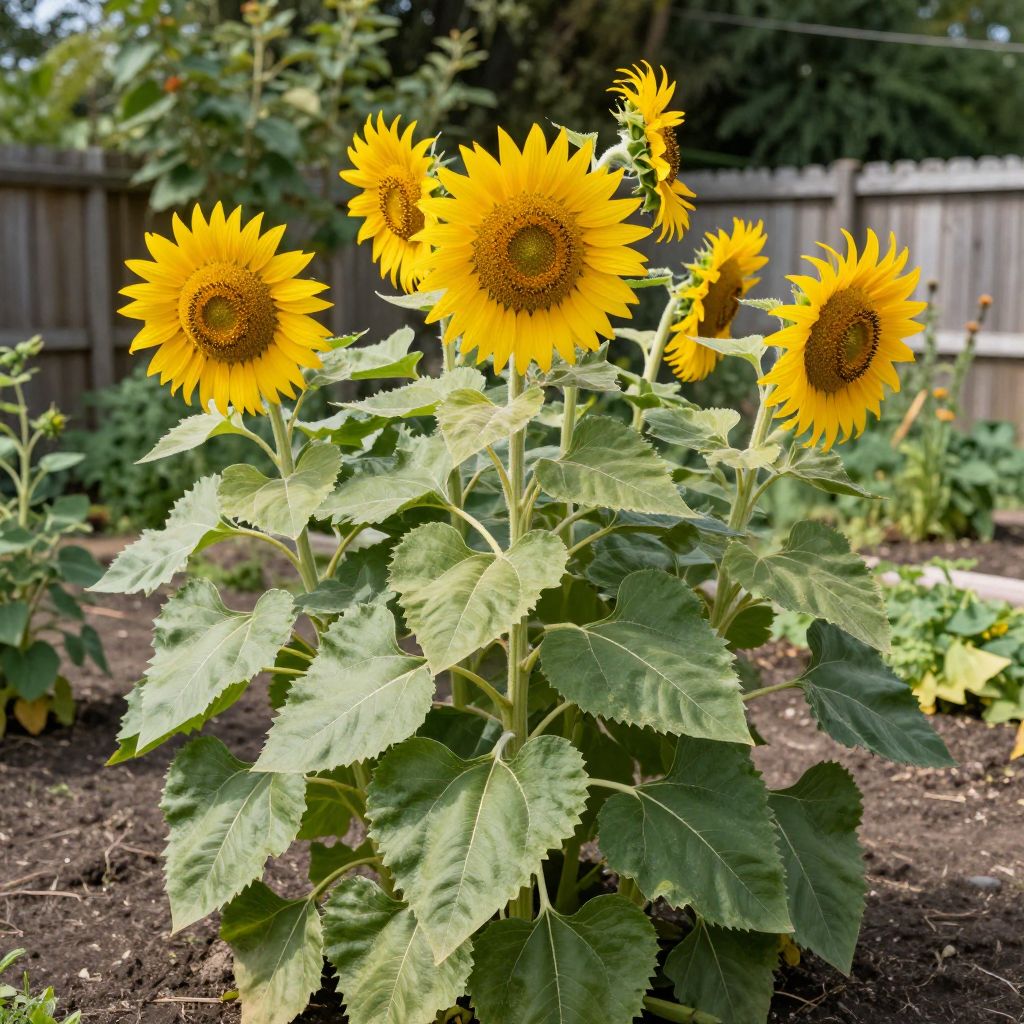
Wondering when is sunflower season and the best time to plant for blooms? Sunflowers are warm-season annuals, so their season depends on your climate, last frost date, and the variety you grow. In most gardens, they’re planted in spring and bloom from summer into early fall.
If you time sowing well and give them full sun, loose soil, and steady moisture while young, you can stretch the flowering season for weeks. The key is matching planting time to local conditions rather than using one fixed calendar date.
When is sunflower season?
Sunflower season usually runs from late spring through early fall, with planting after the last frost and flowering about 60 to 120 days later, depending on variety. In warmer climates, you may sow earlier and enjoy blooms sooner; in cooler areas, the season is shorter and starts later.
Understanding sunflower season by climate
Sunflowers are warm-weather annuals that need heat, bright light, and frost-free conditions to grow well. The exact season changes with your region, because soil temperature and frost dates matter more than the calendar alone.
Cool climates
In cooler regions, wait until the soil has warmed and the danger of frost has passed. If you sow too early, seeds may rot or seedlings may stall in cold ground.
In these areas, many gardeners plant from late spring into early summer and expect blooms in mid to late summer.
Warm climates
In mild or hot climates, sunflower season can begin earlier in spring and continue with succession plantings into summer. In very hot weather, some varieties may flower faster but produce smaller heads if heat and drought stress are severe.
If summers are extremely hot, aim for early spring sowing or a late-summer round for fall color, depending on your local frost window.
Indoor starts versus direct sowing
Sunflowers are usually best direct-sown outdoors, because they dislike root disturbance. Starting them indoors can work for short-season gardeners, but use biodegradable pots or transplant very carefully.
For most home gardens, direct sowing is simpler and often produces stronger plants.
How to time planting for the best bloom window
To figure out when to plant, count backward from your expected first frost and forward from your last frost. Most sunflower varieties bloom in roughly 2 to 4 months, so timing depends on the type you choose and how long your growing season lasts.
Use these timing clues
- Last frost date: Plant after frost risk has passed.
- Soil temperature: Warm soil helps seeds germinate quickly.
- Days to maturity: Check the seed packet for bloom timing.
- First frost date: Make sure the plant has enough time to flower before cold weather returns.
If you want continuous blooms, sow a small batch every 1 to 2 weeks for several weeks in spring and early summer. This staggered planting extends sunflower season instead of giving you one big flush of flowers all at once.
Best growing conditions for sunflowers
Sunflowers perform best in full sun, meaning at least 6 to 8 hours of direct light daily. They also need well-drained soil, because soggy ground can weaken roots and invite disease.
Soil and drainage
Loose, fertile soil helps sunflower roots anchor deeply. If your soil is heavy clay, mix in compost to improve structure, but avoid making it overly rich and soft, which can encourage weak stems in very tall varieties.
Good drainage is especially important for seedlings. Waterlogged soil can cause damping off and poor establishment.
Compost and fertility
A modest amount of compost at planting time is usually enough for many gardens. Sunflowers do not need excessive feeding, and too much nitrogen can lead to tall, leafy plants with fewer flowers or weaker stems.
If your soil is poor, a balanced, slow-release amendment can help, but avoid overfertilizing.
How to plant sunflowers successfully
Direct sow sunflower seeds once the soil is workable and warm. Planting depth and spacing matter because crowded seedlings compete for light, water, and nutrients.
Step-by-step planting guide
- Choose a sunny site with well-drained soil.
- Loosen the soil and remove weeds.
- Plant seeds about 1 to 2 inches deep, depending on seed size.
- Space seeds according to the mature size of the variety.
- Water gently after planting to settle the soil.
- Keep the area evenly moist until seedlings emerge.
For tall sunflowers, leave enough room for airflow and support. Smaller border types can be planted closer together, but even compact varieties need space to avoid crowding.
Container growing
You can grow sunflowers in large containers if the pot is deep enough and drains well. Choose shorter varieties for containers, since tall types can become top-heavy and need staking.
Use a container with drainage holes and a quality potting mix, not garden soil, which can compact in pots.
Watering and care during the season
Young sunflowers need consistent moisture to establish roots, but mature plants handle brief dry spells better than many annuals. The goal is steady care early on, then moderate watering as plants grow.
Watering tips
- Water deeply rather than lightly and often.
- Let the top layer of soil dry slightly between waterings.
- Water at the base when possible to keep foliage drier.
- Mulch lightly to help conserve moisture and suppress weeds.
Once established, sunflowers usually need less frequent watering, but prolonged drought can reduce bloom size and seed production. In hot weather, check soil more often, especially in containers.
Staking and support
Tall sunflowers may need staking in windy sites or loose soil. Use a sturdy stake placed early, before roots spread too widely, and tie stems loosely so they can move a little without snapping.
Wind damage is more likely when plants are overfed, overcrowded, or grown in exposed areas.
Common problems during sunflower season
Most sunflower issues are caused by poor timing, too little sun, soggy soil, or pests. Catching problems early helps you keep the season productive.
Poor germination
If seeds fail to sprout, the soil may be too cold, too wet, or too dry. Old seed can also germinate poorly.
Fix: Wait for warmer soil, water consistently, and sow fresh seed if needed.
Leggy or weak seedlings
Seedlings that stretch toward light usually need a sunnier spot. Crowding can also make stems weak.
Fix: Thin seedlings promptly and move container-grown plants to brighter light.
Pests
Common pests include aphids, birds, and sometimes caterpillars. Birds may pull up seeds or peck at young seedlings.
Fix: Cover newly sown beds with lightweight netting or row cover until seedlings are established, and inspect leaves regularly for insect clusters.
Diseases
Overly wet soil and crowded plants can lead to fungal problems such as mildew or root rot. Poor airflow makes these issues more likely.
Fix: Space plants properly, avoid overhead watering late in the day, and remove badly affected plants if disease spreads.
How to extend sunflower season
You can lengthen sunflower season by choosing a mix of early, midseason, and later-blooming varieties. Succession sowing is one of the easiest ways to keep flowers coming.
Simple season-extending strategies
- Sow in batches every 1 to 2 weeks in spring.
- Mix tall types with shorter, faster-blooming varieties.
- Protect young plants from late cold snaps.
- Water consistently during dry spells.
- Deadhead spent blooms if you want the bed to stay tidy, though many gardeners leave seed heads for birds.
If you want cut flowers, harvest blooms as soon as the petals open and the center disk is still fresh. This encourages more usable flowers from succession plantings and keeps the garden looking neat.
Harvesting seeds and enjoying the end of the season
If you grow seed-producing sunflowers, wait until the backs of the heads turn yellow-brown and the seeds look plump. Birds may beat you to them, so cover mature heads with mesh or paper bags if you want to save seed.
For ornamental use, you can cut blooms earlier for arrangements or leave them standing to feed pollinators and wildlife.
Quick answer for planning your garden
In most gardens, sunflower season starts after the last frost in spring and peaks in summer. To get the best results, plant in full sun, use well-drained soil, and check your seed packet for days to maturity so your flowers open before fall cold arrives.
If you want more seasonal planting help, consider reading about when to plant zinnias or how to grow marigolds for other easy warm-season flowers that pair well with sunflowers.