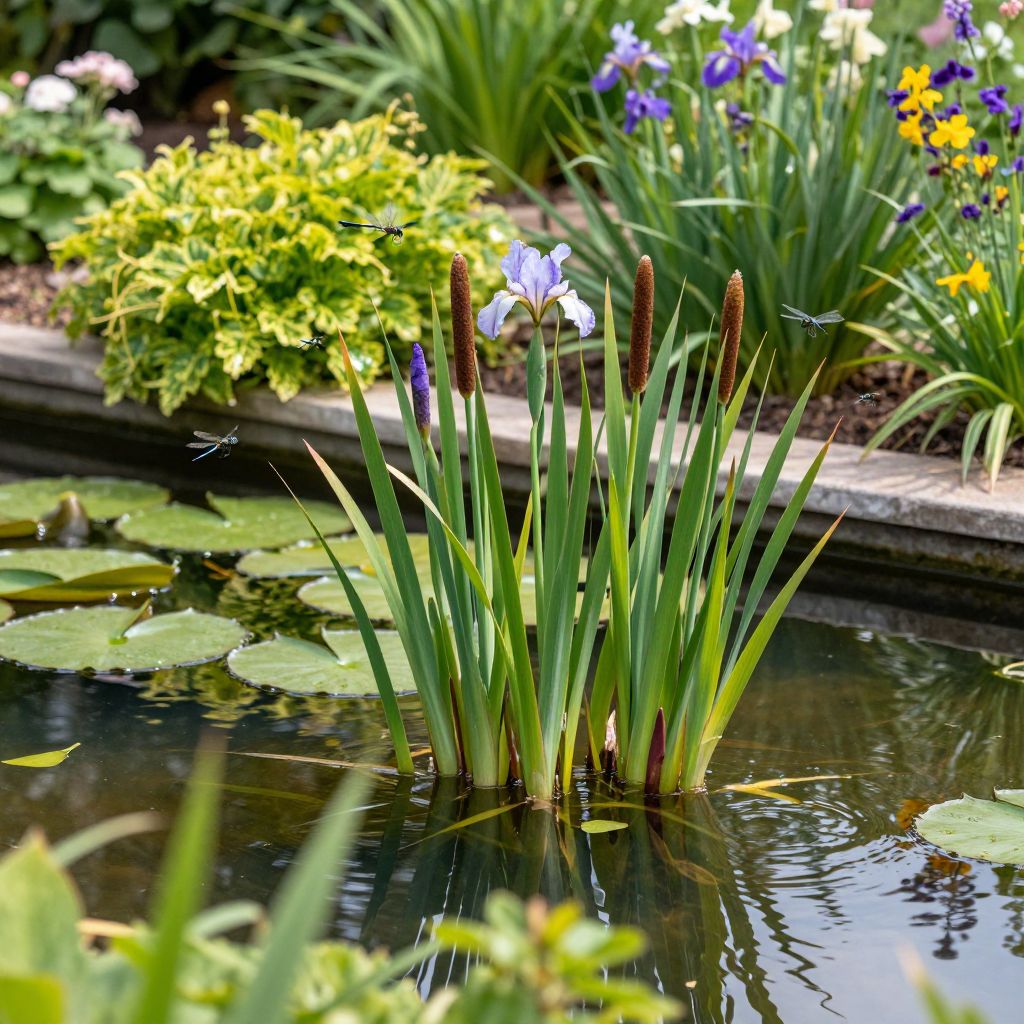
Want to know what plants attract dragonflies to your garden? The short answer is: choose a mix of water-loving plants, native flowering perennials, and tall structural plants around ponds, rain gardens, or damp borders. Dragonflies are drawn less by “nectar plants” and more by habitat that supports breeding, perching, and prey insects.
If you create shallow water, sunny open space, and a healthy plant community, dragonflies are much more likely to visit and stay. The best planting plan balances water quality, shelter, and open flight paths rather than relying on one special flower.
What plants attract dragonflies?
Dragonflies are attracted to plants that help build the right habitat: emergent pond plants, marginal moisture-loving plants, native grasses, and flowering perennials that support insects they eat. The best choices include rushes, sedges, cattails, pickerelweed, iris, Joe-Pye weed, coneflower, black-eyed Susan, and native grasses planted near water.
Why plants matter for dragonflies
Dragonflies do not feed on plants themselves. They are predators that hunt mosquitoes, gnats, flies, and other small insects, so the real goal is to make your garden attractive to both dragonflies and their prey.
Plants help in three important ways:
- They provide breeding habitat for dragonflies and damselflies, especially in and around shallow water.
- They create perches where adults can rest, warm up, and watch for prey.
- They support insect life in a balanced way, giving dragonflies a reason to visit.
A garden with only a lawn and a few flowers usually will not hold many dragonflies. A garden with water, layered plants, and minimal pesticide use has a much better chance of becoming dragonfly-friendly.
Best plants to attract dragonflies
1. Marginal and emergent pond plants
These are among the most useful plants if you have a pond, water feature, or wet edge. They grow in shallow water or saturated soil and give dragonflies places to emerge, perch, and lay eggs.
- Pickerelweed (Pontederia cordata)
- Arrowhead / duck potato (Sagittaria latifolia)
- Soft rush (Juncus effusus)
- Blue flag iris (Iris versicolor or Iris virginica, depending on region)
- Marsh marigold (Caltha palustris) in cool, wet climates
- Cattails (Typha spp.) only where you have enough space, since they spread aggressively
These plants are especially helpful because dragonfly nymphs live in water before becoming adults. A shallow, plant-filled edge gives them cover and a place to climb out when they are ready to emerge.
2. Native grasses and upright perennials
Dragonflies often use tall stems as lookout posts. Planting a few upright species around a pond or moist border gives them the structure they prefer.
- Little bluestem (Schizachyrium scoparium)
- Switchgrass (Panicum virgatum)
- Joe-Pye weed (Eutrochium spp.)
- Blazing star (Liatris spp.)
- New England aster (Symphyotrichum novae-angliae)
These plants do not attract dragonflies by scent or nectar alone. They help by creating height, movement, and a richer insect community around the garden.
3. Flowering plants that support prey insects
Dragonflies are more likely to linger where there are plenty of small flying insects. Pollinator-friendly flowers can help build that food web, especially if you avoid broad-spectrum insecticides.
- Black-eyed Susan (Rudbeckia hirta)
- Purple coneflower (Echinacea purpurea)
- Goldenrod (Solidago spp.)
- Bee balm (Monarda spp.)
- Yarrow (Achillea millefolium)
These flowers are not “dragonfly bait” in the same direct way nectar plants attract bees, but they contribute to a healthy, insect-rich landscape that supports predators like dragonflies.
4. Plants for rain gardens and damp borders
If you do not have a pond, a rain garden or damp planting bed can still help. Choose plants that tolerate periodic wet feet and then dry periods, depending on your soil and climate.
- Cardinal flower (Lobelia cardinalis)
- Swamp milkweed (Asclepias incarnata)
- Blue vervain (Verbena hastata)
- Meadowsweet (Filipendula spp.) in suitable climates
- Soft rush and sedges (Carex spp.)
These plants are useful if your yard naturally holds moisture after rain. They help you turn a problem area into a habitat that can support dragonflies and other beneficial wildlife.
How to plant a dragonfly-friendly garden
Start with water if possible
Water is the single biggest factor. A small pond, wildlife pond, or shallow water garden is far more effective than flowers alone.
- Choose a sunny spot if you can, because dragonflies are most active in warmth and light.
- Make at least one shallow edge or shelf so plants can sit in water without drowning.
- Aim for a mix of open water and planted margins.
- Keep fish out if your goal is to support dragonfly nymphs, since fish may eat them.
If you do not want a pond, use a rain garden, a damp swale, or a container water garden with marginal plants. Even a modest water feature can help if it is planted well and kept free of chemicals.
Plant in layers
Dragonfly habitat works best when plants are arranged in layers rather than in one flat row.
- At the water’s edge: rushes, sedges, iris, pickerelweed, arrowhead
- Just beyond the edge: Joe-Pye weed, swamp milkweed, blue vervain
- Farther out: coneflower, black-eyed Susan, aster, native grasses
This layered design gives adults places to perch while keeping the center of the pond or open area clear for hunting and flight.
Leave some open space
One common mistake is planting too densely. Dragonflies need room to patrol, mate, and hunt, so avoid filling every inch with tall vegetation.
Keep part of the water surface open and leave a few sunny, unobstructed flight lanes nearby. A garden that is too crowded can be less useful than one with a balanced mix of cover and open air.
Soil, drainage, and sunlight needs
Because the best dragonfly plants vary, match the plant to the site rather than forcing every species into the same conditions. Most pond-edge and rain-garden plants like moisture-retentive soil, while prairie perennials prefer better drainage once established.
Soil tips
- For pond margins, use heavy loam or amended native soil that holds moisture.
- For rain gardens, improve poor soil with compost if drainage is too fast, but do not make it overly rich.
- For native grasses and prairie flowers, avoid soggy soil unless the plant specifically tolerates it.
A thin layer of compost can help new plantings establish, but do not overdo it. Rich, fluffy soil can encourage weak growth in some native species and may increase flopping.
Sunlight tips
Most dragonfly activity happens in sunny spots. A pond or water feature in full sun or light sun is usually more attractive than a deeply shaded site.
That said, some shade at the edges can help reduce extreme heat in hot climates. If you garden in a very warm region, balance sun with a little afternoon protection for moisture-loving plants.
Watering and maintenance for healthy habitat
New plants need regular watering until established, especially if you are planting away from the pond edge. After that, watering should match the plant type and your local weather.
- Keep marginal plants consistently moist.
- Water rain-garden plants deeply during dry spells while they establish.
- Do not let a pond dry out completely if you want to support aquatic life.
- Use mulch sparingly near water so it does not wash in and cloud the pond.
Maintenance should be light and selective. Remove dead stems only when needed, because some upright stems can serve as perches and some hollow stems may shelter beneficial insects.
Seasonal care
- Spring: divide crowded clumps, replant marginal species, and clean the pond gently.
- Summer: monitor water level and remove excessive algae or debris.
- Autumn: leave some stems standing for habitat unless they are diseased or unsafe.
- Winter: avoid over-cleaning; habitat structure can matter even when dragonflies are inactive.
Common mistakes that reduce dragonflies
Using pesticides
This is the biggest problem in many gardens. Insecticides can kill the insects dragonflies eat, and some products can harm dragonfly nymphs in water.
If possible, avoid spraying near ponds, rain gardens, and flowering borders. If you must manage pests, use the least disruptive method and target only the specific problem.
Adding too much fertilizer
Excess nutrients can fuel algae blooms in ponds and create weak, overly lush plant growth. That can reduce water quality and make the habitat less suitable for aquatic life.
Choosing the wrong plants
Not every moisture-loving plant is a good fit. Very aggressive spreaders can take over small ponds, while thirsty plants placed in dry soil will struggle and fail to provide habitat.
Always match the plant to your site conditions, and check whether a species is invasive in your region before planting it.
Keeping the area too tidy
Overly neat gardens often lack the structure dragonflies use. A completely clipped, sterile edge offers fewer perches, fewer insects, and less shelter.
Instead, aim for a managed wildness: healthy plants, open water, and enough structure to support wildlife without becoming overgrown.
How long it takes to see dragonflies
Dragonflies may appear quickly if your garden is near existing water or wildlife habitat, but it can also take a season or more for a new planting to settle in. Adults are mobile, yet they are selective about where they hunt and breed.
Be patient and think of the garden as a habitat project, not a quick fix. The more stable and diverse your planting becomes, the better your chances of regular visits.
Simple planting plan for beginners
If you want an easy starting point, use this practical combination around a small pond or damp bed:
- One or two marginal plants such as pickerelweed or blue flag iris.
- Several clumps of rushes or sedges for structure.
- Two or three upright perennials such as Joe-Pye weed or swamp milkweed.
- A few nectar-rich flowers like coneflower or black-eyed Susan nearby.
- One open sunny space for flight and hunting.
This mix gives you vertical structure, seasonal flowers, and a water-friendly base without making the garden hard to maintain.
Conclusion
If you are wondering what plants attract dragonflies, focus on habitat first: shallow water, sunny open space, and a mix of marginal, upright, and flowering plants. Choose native or well-adapted species for your climate, keep pesticides out of the area, and maintain a balanced edge between cover and open water.
For more wildlife-friendly garden ideas, you may also want to read about native plants for pollinators and how to build a backyard pond.