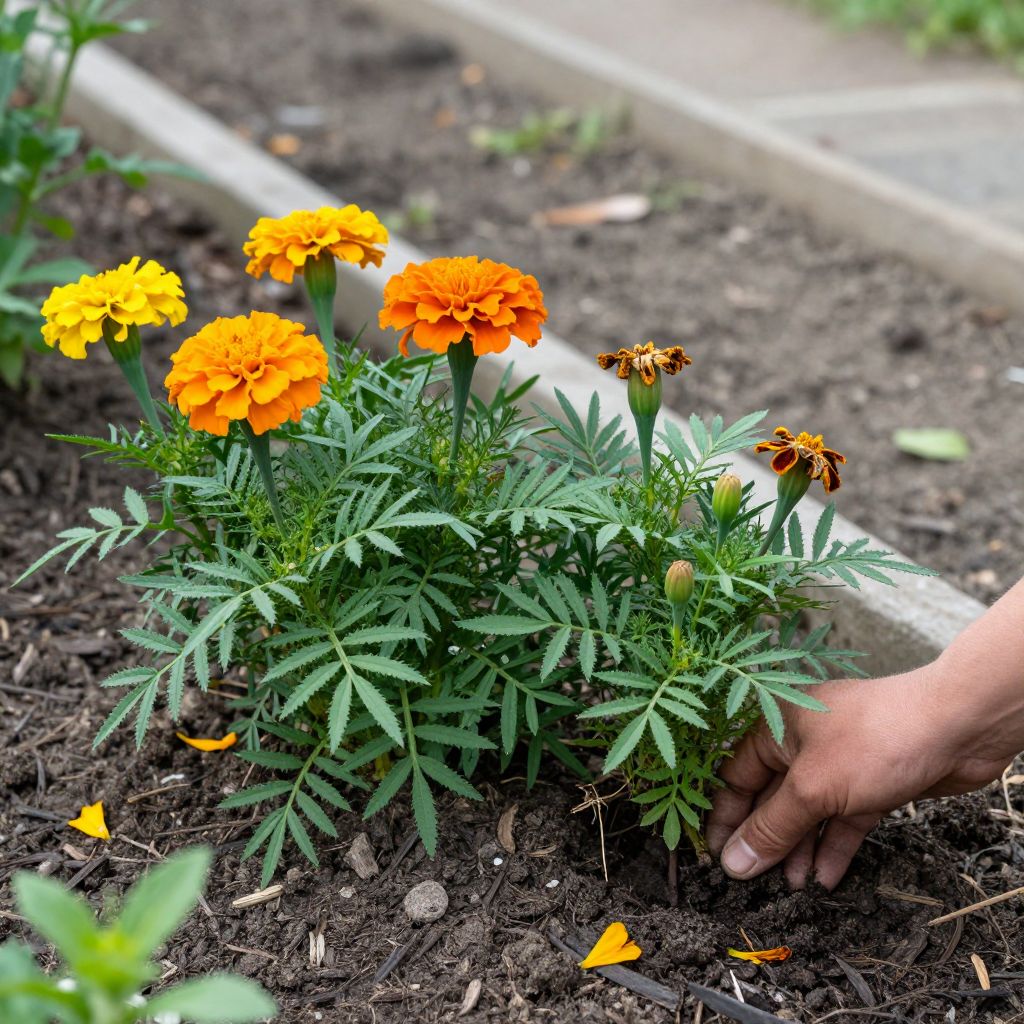
Do marigolds come back? In most gardens, the answer is “sometimes,” but it depends on the type of marigold and your climate. Many gardeners grow marigolds as annuals, which means they finish their life cycle in one season, while a few can self-seed and return on their own the next year.
If you want to know whether your marigolds will reappear, the key is to identify the variety, understand your local frost pattern, and know whether the plants can reseed or survive mild winters. With the right care, you can often keep marigolds blooming for a long stretch and even encourage new plants the following season.
Do Marigolds Come Back?
Most common marigolds do not come back as true perennials. French marigolds (Tagetes patula) and African marigolds (Tagetes erecta) are usually grown as annuals, so they die after frost or at the end of their natural life cycle. However, in warm climates or sheltered spots, they may self-seed and appear again from dropped seed.
Which Marigolds May Return?
Not all marigolds behave the same way, and that is where the confusion often starts. Some types are more likely to reseed, while others are best treated as seasonal bedding plants.
Common garden marigolds
- French marigolds are compact, fast-growing, and widely used in borders and containers.
- African marigolds are taller and make larger blooms for beds and cutting gardens.
- Signet marigolds are smaller, airy plants with finely cut foliage and smaller flowers.
These are typically annuals in most regions. If they “come back,” it is usually because seeds dropped in the garden germinated later, not because the original plant survived winter.
Perennial lookalikes and warm-climate behavior
Some gardeners use the word marigold loosely for plants that may be perennial in mild climates, but the common bedding marigolds sold in garden centers are usually not reliable perennials outdoors. In frost-free or nearly frost-free areas, they may live longer and behave more like short-lived perennials, especially if deadheaded and protected from stress.
What Makes Marigolds Return the Next Year?
Marigolds return in one of two ways: they survive the winter in a warm climate, or they self-seed and new seedlings appear later. The second method is more common and more dependable than expecting the original plant to overwinter.
Self-seeding
When spent flowers are left on the plant, marigolds can form seed heads. If those seeds fall into suitable soil, they may sprout when temperatures warm up. This is most likely in gardens with mild winters, light mulch, and undisturbed soil.
Overwintering in warm areas
In areas with little or no frost, marigolds may keep growing for many months. Even then, they often look tired after a long bloom period, especially if the soil is poor, the plants are crowded, or pests build up.
How to Help Marigolds Last Longer
If your goal is to keep marigolds blooming as long as possible, focus on strong growing conditions. Healthy plants are more likely to finish the season well and may even reseed successfully.
Give them full sun
Marigolds bloom best in full sun, which usually means at least 6 hours of direct light a day. In partial shade, they may grow leggy, flower less, and decline faster.
Plant in well-drained soil
Marigolds dislike soggy roots. Use soil that drains well and mix in compost if the ground is thin or compacted. Compost improves texture and supports steady growth without making the soil overly rich.
Water carefully
Water deeply when the top inch or two of soil feels dry, then let the surface dry slightly before watering again. Avoid frequent shallow watering, which encourages weak roots. Also try to keep water off the foliage when possible to reduce disease problems.
Feed lightly
Marigolds usually do not need heavy feeding. Too much nitrogen can produce lush leaves and fewer flowers. If your soil is poor, a light application of compost or a balanced, slow-release fertilizer may help, but avoid overdoing it.
Should You Deadhead Marigolds?
Yes, deadheading helps marigolds keep flowering. Removing faded blooms prevents the plant from putting energy into seed production and encourages more buds. It also keeps the plant looking neat and reduces the chance of spent flowers rotting in damp weather.
How to deadhead correctly
- Wait until the flower fades and begins to dry.
- Pinch or snip the stem back to the next set of leaves or a side bud.
- Remove any damaged or diseased foliage at the same time.
- Check plants every few days during peak bloom.
If you want marigolds to self-seed, stop deadheading some of the flowers near the end of the season. Let a few seed heads mature naturally, then allow them to drop seed into the bed.
How to Encourage Marigolds to Come Back From Seed
If you want volunteer marigolds next year, the easiest method is to let a few flowers go to seed. This works best in beds that are not heavily mulched or frequently disturbed.
Simple reseeding method
- Leave several healthy blooms on the plant near the end of the season.
- Let the flower heads dry fully.
- Allow the seeds to fall naturally, or collect them when dry.
- Keep the area lightly mulched, not buried under thick layers.
- Watch for seedlings in spring or early summer, depending on your climate.
Collected seeds can also be stored and sown later. Keep them dry, cool, and labeled. If you save seed from hybrid marigolds, the next generation may not look exactly like the parent plant.
Can You Overwinter Marigolds Indoors?
In cool climates, you can try bringing marigolds indoors before frost, but they often decline after the move. They need bright light, good airflow, and careful watering, and they are usually best treated as temporary houseplants rather than long-term indoor specimens.
Indoor overwintering tips
- Move plants indoors before freezing weather arrives.
- Place them in the brightest window you have, or use grow lights.
- Water sparingly and let the top of the soil dry a bit between waterings.
- Inspect for aphids, spider mites, and whiteflies before bringing them inside.
Even with good care, indoor marigolds may become leggy or stop blooming. If that happens, take cuttings only if you want to experiment, but for most home gardeners, starting fresh seed in spring is easier and more reliable.
Common Reasons Marigolds Don’t Come Back
If your marigolds disappeared, the cause is usually environmental rather than mysterious. Frost, poor drainage, shade, pests, and overcrowding are the most common reasons they fail to return.
Frost damage
Marigolds are sensitive to frost. A hard freeze usually ends the plant, even if the stems still look partly green for a short time afterward.
Root rot from wet soil
Heavy clay soil or overwatering can rot the roots. If plants collapse in wet conditions, improve drainage before planting again by adding compost, raising the bed, or switching to containers with drainage holes.
Pests and disease
Aphids, spider mites, and powdery mildew can weaken plants. Good spacing, clean watering habits, and removing badly affected leaves can help prevent problems from spreading.
Too much shade
Marigolds in shade often stretch toward the light, bloom less, and decline sooner. Move them to a sunnier spot if you want stronger plants and better flower production.
Best Care Tips for Healthy Marigolds
Healthy marigolds are more likely to bloom longer and reseed successfully. A few simple habits make a big difference through the season.
- Space plants well so air can move around the foliage.
- Mulch lightly to hold moisture, but do not bury the stems.
- Remove spent flowers regularly unless you want seed.
- Check leaves weekly for pests or spotting.
- Rotate planting spots if disease has been a problem in the past.
Container marigolds need a little extra attention because pots dry out faster than garden beds. Use a pot with drainage holes, a quality potting mix, and enough space for the roots to spread.
What to Expect by Season
Your climate matters a lot. In cold regions, marigolds are usually planted after the last frost and removed when temperatures drop. In warm regions, they may bloom for a much longer season and sometimes carry on until heat, drought, or age weakens them.
In cooler climates
Expect marigolds to behave as true annuals. If you want them again next year, save seed or allow a few flowers to self-seed in a protected bed.
In mild or frost-free climates
Marigolds may last longer, especially if they are watered well, deadheaded, and kept in full sun. Even then, they may thin out over time, so replanting or reseeding can still be useful.
Final Answer: Do Marigolds Come Back?
Marigolds usually do not come back as the same plant, but they can return through self-seeding or, in very mild climates, by surviving longer than one season. If you want reliable blooms every year, save seed, let a few flowers mature, and replant in sunny, well-drained soil.
For more practical garden help, you may also want to read about deadheading flowers for longer bloom and how to improve garden soil drainage.