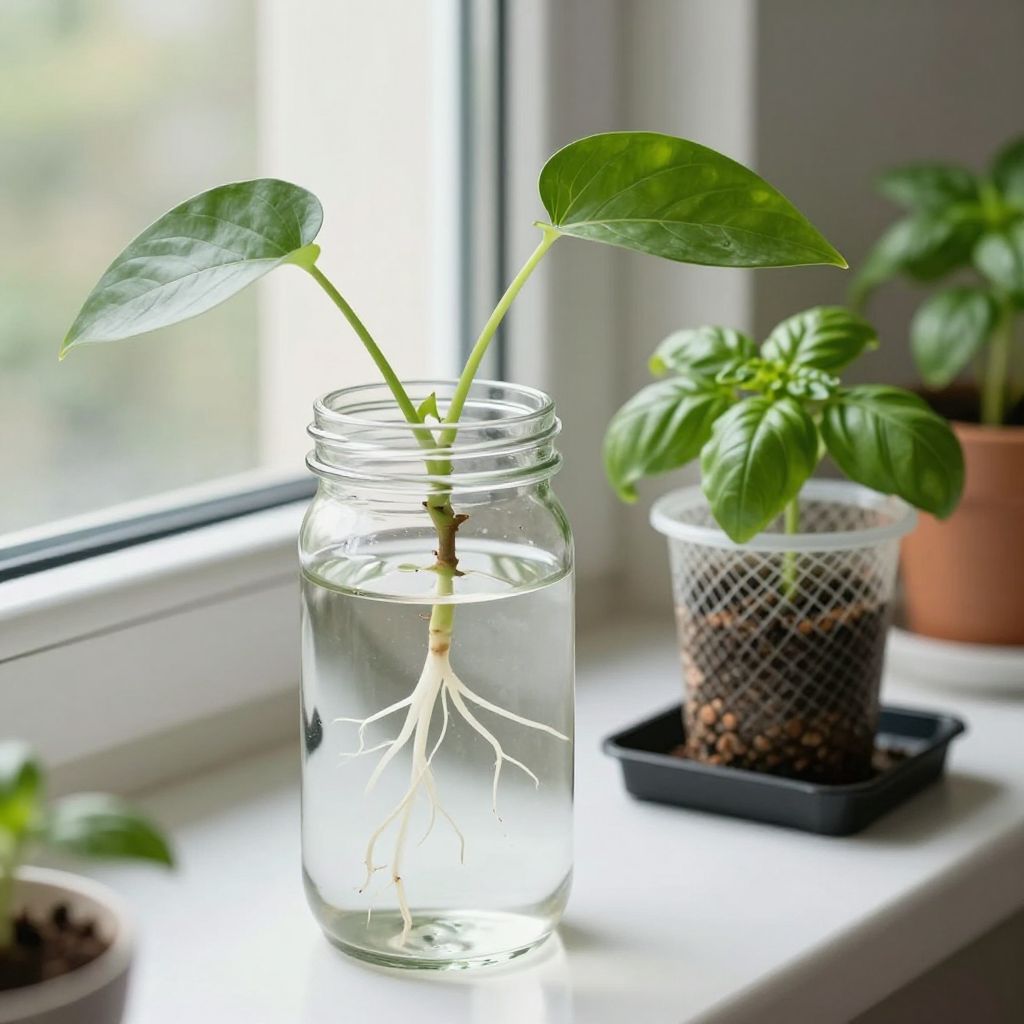
Can plants grow without soil? Yes—many plants can, as long as their roots still get water, oxygen, and nutrients in some other way. Soil is a natural growing medium, but it is not the only one. With the right setup, plants can thrive in water, inert media, or soilless systems indoors and outdoors.
The key is understanding that “no soil” does not mean “no support.” Plants still need stable roots, moisture, light, and a reliable nutrient source. If you choose the right plant and growing method, soil-free gardening can be clean, efficient, and very productive.
Can plants grow without soil?
Yes. Plants can grow without soil if their roots are anchored and supplied with water, oxygen, and nutrients through another medium or system. Common soil-free methods include hydroponics, aquaponics, semi-hydroponics, and growing in inert materials like perlite, LECA, coco coir, or rockwool.
How plants survive without soil
Soil mainly serves four jobs: it holds roots in place, stores moisture, supplies nutrients, and provides air spaces for oxygen. In soil-free growing, you replace those functions with a container, a growing medium, and a nutrient solution or another nutrient source.
The three things roots still need
- Moisture so the plant can move nutrients and stay hydrated.
- Oxygen so roots can respire and avoid rot.
- Nutrients such as nitrogen, phosphorus, potassium, and trace minerals.
If any one of these is missing, growth slows or stops. That is why soil-free gardening works best when the system is balanced, not just when a plant is placed in plain water.
Best ways to grow plants without soil
1. Hydroponics
Hydroponics grows plants in water with dissolved nutrients instead of soil. Roots may sit in a flowing stream, a reservoir, or an inert support material. This method is popular for leafy greens, herbs, and some fruiting crops.
2. Semi-hydroponics
In semi-hydroponics, plants grow in a chunky, inert medium such as LECA or pumice, with water in the bottom of the container. The medium wicks moisture upward while still leaving air pockets around the roots.
3. Inert media with liquid feeding
Materials like perlite, vermiculite, coco coir, and rockwool can support roots without acting like true soil. They do not provide much nutrition on their own, so you must supply fertilizer through watering.
4. Water culture
Some houseplants can be kept in plain water for a while, especially cuttings and easy growers. For long-term success, you usually need to add a diluted nutrient solution and keep the water clean.
Which plants can grow without soil?
Some plants adapt much better than others. Leafy greens, herbs, pothos, philodendron, spider plant, peace lily, and many cuttings root well in water or soilless setups. Tomatoes, peppers, cucumbers, and strawberries can also be grown without soil, but they need stronger light, more nutrients, and more careful management.
Good beginner choices
- Philodendron
- Pothos
- Spider plant
- Mint
- Basil
- Lettuce
- Swiss chard
- Snake plant cuttings or divisions, where appropriate
Plants that usually need more skill
- Tomatoes
- Peppers
- Cucumbers
- Strawberries
- Large flowering plants with heavy nutrient demands
Woody shrubs, trees, and many outdoor perennials are not ideal candidates for simple water culture. They usually need a more stable root environment and a larger, more complex system.
How to start growing without soil
If you are new to soil-free gardening, begin with a plant that roots easily and a simple container setup. The goal is to give roots support, moisture, and air without drowning them.
- Choose a healthy plant or cutting with no rot or pests.
- Select a clean container with room for roots.
- Add an inert medium or water support, depending on the method.
- Provide a nutrient source if the plant will stay in the system long term.
- Place the plant where it gets the right light for its type.
- Monitor roots, water level, and plant health weekly.
Simple water-rooting for cuttings
For many houseplants and herbs, stem cuttings are the easiest entry point. Remove the lower leaves, place the stem node in clean water, and keep the container in bright, indirect light. Change the water regularly to reduce algae and odor.
What growing conditions matter most?
Light, temperature, oxygen, and nutrient balance matter just as much without soil as they do in a garden bed. In fact, soil-free plants can decline faster when one condition is off because the system has less buffering capacity than soil.
Light
Most indoor soil-free plants need bright, indirect light. Fruiting crops usually need much stronger light, often from a grow light if natural sun is insufficient. If stems stretch, leaves pale, or growth slows, light is often the first thing to check.
Temperature
Keep plants within the range they prefer. Many houseplants do well in typical indoor temperatures, while warm-season crops need consistently warmer conditions to grow well. Cold roots slow uptake and can lead to root problems.
Oxygen and airflow
Roots need oxygen, even in water. Stagnant, deep water can suffocate roots, especially if the container is warm. Use air stones, flowing systems, or a well-designed semi-hydro setup when needed.
How to water and feed plants without soil
Watering changes completely when soil is removed from the equation. Instead of soaking and drying a soil mix, you manage the water level, solution strength, and freshness of the reservoir or medium.
Practical feeding tips
- Use a fertilizer made for hydroponics or soilless growing when the plant stays in water or inert media.
- Start with a diluted solution if the plant is young or newly transplanted.
- Flush or refresh the system regularly to prevent salt buildup.
- Watch the plant, not just the calendar, because needs change with light, season, and growth rate.
Do not fertilize plain water-rooted cuttings too heavily. Too much fertilizer can burn tender roots and cause leaf damage before the plant has a chance to establish.
Common mistakes to avoid
Using the wrong plant
Not every plant likes a soil-free life. Some need a large root zone, seasonal dormancy, or a more stable moisture pattern than a simple jar or small container can provide.
Letting roots sit in stale water
Stagnant water can lead to low oxygen, algae, and rot. Clean containers and regular water changes help prevent problems, especially with indoor plants.
Skipping nutrients
Water alone is not enough for long-term growth. Once roots are established, most plants need a nutrient source to stay healthy and produce new leaves or flowers.
Using a container with no plan for support
Roots need anchoring. A loose stem in a deep jar may flop, dry out, or rot at the base. Use mesh pots, clips, collars, or a suitable medium to hold the plant steady.
Troubleshooting soil-free plant problems
Yellow leaves
Yellowing can point to nutrient deficiency, low light, overwatering, or root stress. Check the roots first. Healthy roots are usually firm and light-colored, while bad roots may be brown, mushy, or smelly.
Brown root tips
This often happens from fertilizer burn, poor water quality, or salts building up in the system. Refresh the solution and reduce feeding strength if needed.
Algae growth
Algae thrives where light reaches nutrient-rich water. Use opaque containers, keep the reservoir clean, and reduce direct light on the water line.
Wilting despite wet roots
Wilting can happen when roots are damaged, oxygen is low, or the plant cannot take up water properly. Improve aeration, inspect roots, and remove any rotting material.
Indoor vs. outdoor soil-free growing
Indoor soil-free growing is usually easier to control because you manage light, temperature, and water more closely. Outdoor systems can work well too, but rain, heat, pests, and temperature swings make them more variable.
Indoor advantages
- More control over light and temperature
- Cleaner setup for kitchens, shelves, and windowsills
- Better for herbs, houseplants, and seedlings
Outdoor challenges
- Heat can warm water too much
- Rain can dilute nutrients
- Pests may reach plants more easily
- Containers dry out faster in sun and wind
If you garden outdoors, use weather-resistant containers and check moisture more often during hot or windy periods. In cooler climates, protect roots from cold snaps, since soil-free systems can be more vulnerable to temperature swings than in-ground soil.
Can plants grow forever without soil?
Some can, if the system is maintained well. Many houseplants and edible crops can live long-term in hydroponic or semi-hydroponic setups. Others may do fine for months or a season but eventually need repotting, pruning, division, or a larger root space.
Long-term success depends on maintenance. You will need to clean containers, refresh nutrients, prune growth, and watch for root congestion just as you would manage pests or disease in a soil garden.
Conclusion: should you try soil-free growing?
Yes, if you want a cleaner, controlled way to grow plants and you are willing to monitor water, nutrients, and light more closely. Start with an easy plant like pothos, basil, or lettuce, then learn how the roots respond before moving on to more demanding crops.
If you want to keep exploring indoor growing, you may also find this guide helpful: can you grow strawberries indoors.