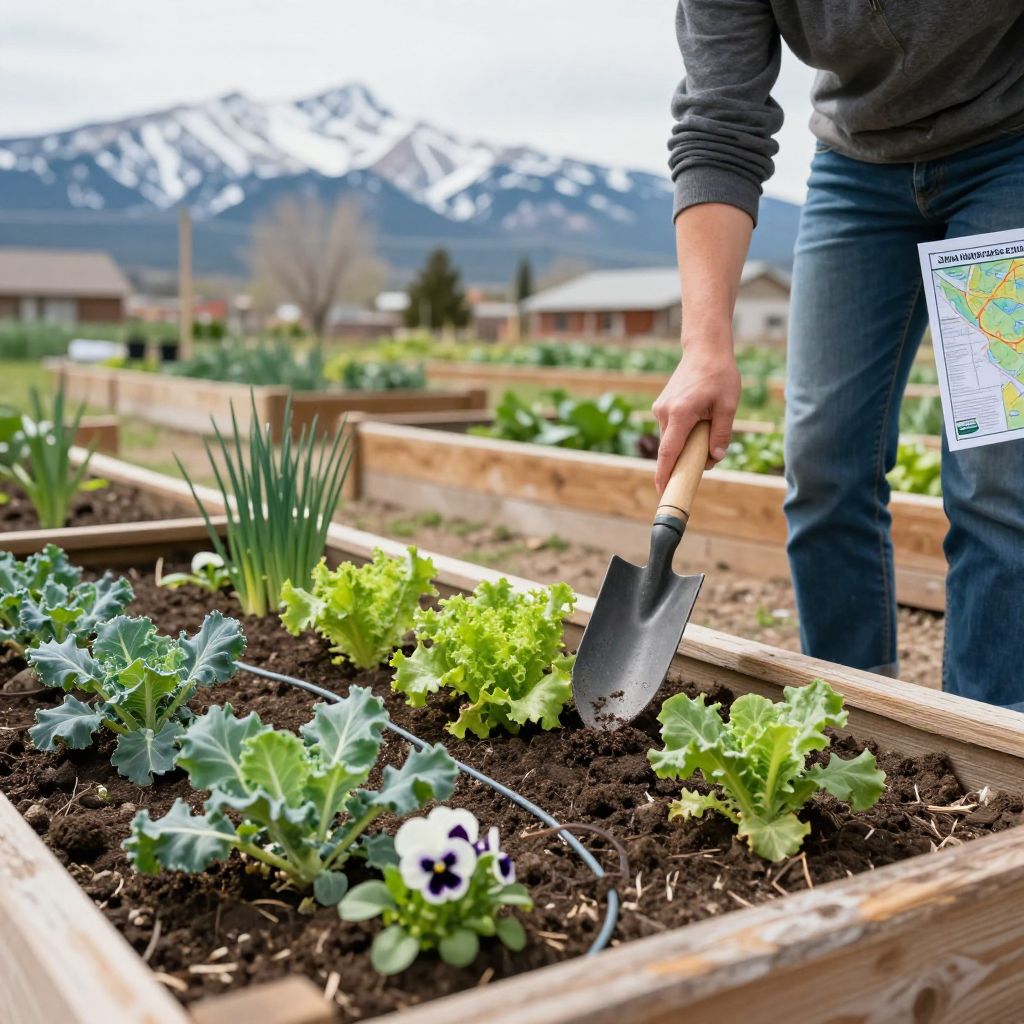
What zone is Colorado for gardening? The short answer is that Colorado is mostly USDA Hardiness Zones 3 through 7, with colder mountain areas in Zone 2 and warmer low-elevation pockets in Zone 8. Because elevation, wind, snow cover, and sun exposure vary so much, your exact zone can change from one neighborhood to the next.
That means successful gardening in Colorado is less about the state as a whole and more about matching plants and timing to your specific site. Once you know your zone, you can choose hardy perennials, plan planting dates, and avoid common cold-weather and drought-related mistakes.
What zone is Colorado for gardening?
Colorado spans several USDA hardiness zones, generally from Zone 2 in high mountain areas to Zone 7 in lower, milder locations, with some warm pockets reaching Zone 8. Most Front Range and foothill gardeners fall around Zones 5 to 7, while many western and southern valleys vary widely by elevation and exposure.
Why Colorado has so many different zones
Colorado’s climate changes quickly with elevation. A garden at 5,000 feet may have a much shorter growing season than one in a lower valley, even if they are only a short drive apart.
Other factors matter too:
- Elevation affects winter lows and frost dates.
- Wind can dry out soil and damage tender plants.
- Sun intensity is strong at higher elevations, which can stress leaves and soil moisture.
- Snow cover can insulate plants in some areas, but not consistently.
- Microclimates near walls, patios, slopes, or sheltered courtyards can be warmer than the surrounding area.
Because of this, two gardeners in the same Colorado town may need different plant choices and planting schedules.
How to find your exact Colorado hardiness zone
If you want the most useful answer for your yard, start with your ZIP code and then compare it with your actual conditions. A zone map gives you a useful baseline, but it does not replace local observation.
Check these details
- Your elevation
- South- or north-facing exposure
- Wind exposure
- Drainage and soil type
- Whether snow lingers through winter
- How early or late frost usually arrives in your yard
Important: USDA zones only tell you the average coldest winter temperature. They do not tell you everything about heat, drought, hail, or the length of your growing season, all of which matter a lot in Colorado gardening.
What to grow in Colorado by zone
Once you know your zone, choose plants that can handle both winter cold and Colorado’s dry conditions. Many plants fail here not because of winter alone, but because they cannot tolerate wind, alkaline soil, or fast-draining ground.
Perennials and shrubs
Look for perennials labeled for your zone or colder. In many Colorado gardens, reliable choices often include plants with strong drought tolerance and winter hardiness.
- Catmint (Nepeta)
- Yarrow (Achillea)
- Russian sage (Salvia yangii)
- Penstemon (Penstemon spp.)
- Blanket flower (Gaillardia)
- Serviceberry (Amelanchier)
- Potentilla (Potentilla fruticosa)
These are not the only options, but they are often better adapted than plants that need humid air or consistently moist soil.
Vegetables
Colorado vegetable gardens often do well with cool-season crops early in the year and warm-season crops after frost risk passes. Common choices include lettuce, spinach, kale, peas, carrots, beets, beans, tomatoes, peppers, and squash, depending on your zone and frost window.
In shorter-season areas, you may need to use transplants, row cover, or season extenders like cold frames and low tunnels.
Trees and lawn plants
For trees and shrubs, choose species that can handle winter lows, alkaline soils, and occasional drought. Avoid assuming a plant that thrives in a milder state will perform well in Colorado without extra care.
For lawns, cool-season grasses are usually the better fit in many parts of the state, but irrigation and mowing height matter more than many gardeners expect.
Colorado soil: what to expect and how to improve it
Colorado soils are often alkaline, low in organic matter, and sometimes compacted or rocky. In some places, drainage is excellent; in others, clay or disturbed fill soil can hold water too long.
The best first step is a soil test. It helps you understand pH, nutrient levels, and whether your soil needs organic matter or structural improvement.
Simple soil improvement steps
- Test your soil before adding amendments.
- Mix in compost to improve structure and water retention.
- Avoid over-tilling, which can harm soil structure.
- Mulch beds with 2 to 4 inches of organic mulch, keeping it away from stems and trunks.
- Water deeply after planting so roots grow downward.
Tip: Compost helps most when it is added regularly over time, not as a one-time fix. In Colorado, building better soil is often the difference between constant watering and a more resilient garden.
Planting and watering in Colorado
Watering in Colorado is different from gardening in humid climates. Dry air, wind, and intense sun can pull moisture from soil quickly, even when temperatures are cool.
Watering basics
- Water newly planted trees, shrubs, and perennials deeply so roots establish below the surface.
- Check soil moisture with your finger before watering again.
- Water early in the day when possible to reduce evaporation.
- Use mulch to slow moisture loss.
- Group plants with similar water needs together.
New plants usually need more attention than established ones. After the first season or two, many drought-tolerant plants can handle less frequent watering, but they still need occasional deep soakings during hot, dry spells.
Drainage matters
In colder parts of Colorado, wet soil can be a bigger problem than dry soil in winter. Roots sitting in soggy ground are more likely to rot or suffer winter damage.
If water pools after rain or irrigation, improve drainage before planting by:
- Raising the bed
- Adding organic matter
- Choosing plants that tolerate heavier soil
- Avoiding overwatering during cool weather
When to plant in Colorado
Planting time depends on your local frost dates, not just the calendar. In Colorado, spring can arrive late, and a warm spell does not always mean frost is finished.
General seasonal guidance
- Cool-season vegetables: Often planted earlier in spring, sometimes with protection.
- Warm-season vegetables: Wait until frost danger has passed and soil has warmed.
- Perennials and shrubs: Spring and early fall are often good planting windows, depending on your zone and water availability.
- Bulbs: Plant in fall before the ground freezes.
In higher elevations or colder zones, fall can arrive quickly, so plants need enough time to root before winter. In warmer pockets, the growing season may be longer, but summer heat and dry winds can still stress young plants.
Common Colorado gardening problems and fixes
Late frosts
Late frosts are a frequent issue, especially for early vegetables and tender annuals. Keep row cover, frost cloth, or old sheets ready for cold nights.
Do not remove protection too early in spring. A single cold night can damage tomatoes, peppers, and tender flowers.
Wind damage
Wind can dry leaves, break stems, and strip moisture from soil. Use windbreaks, temporary fencing, or strategic planting near structures to protect young plants.
Sunscald and leaf burn
At higher elevations, strong sun can scorch leaves and dry out new transplants. Harden off seedlings gradually and water them well before hot, windy afternoons.
Alkaline soil issues
Some plants show yellowing leaves or poor growth because they struggle in alkaline soil. If this happens, confirm the problem with a soil test before adding amendments.
Short growing season
If your area has a short season, use season extenders, select early-maturing varieties, and start some crops indoors when appropriate. This is especially helpful for tomatoes, peppers, and other warm-season crops.
Practical gardening tips for Colorado homeowners
Colorado gardening is easier when you work with the climate instead of fighting it. Choose resilient plants, build soil, and protect young plants from sudden weather swings.
- Pick plants rated for your zone or colder.
- Use mulch to reduce evaporation and temperature swings.
- Water deeply and less often once plants are established.
- Group plants by water needs.
- Expect weather changes and keep frost protection handy.
- Prune damaged branches after winter once you can see what survived.
Common mistake to avoid: planting too early because one warm week arrives. In Colorado, spring weather can reverse quickly, and tender plants may need protection well into the season.
How to choose the right plants for your Colorado yard
Start with three questions: What zone are you in, how much sun does the site get, and how much water can you realistically provide? Those answers help narrow your plant list far more than a general state map.
If you have full sun and well-drained soil, you can grow a wider range of drought-tolerant perennials and shrubs. If your site is shaded, windy, or prone to heavy soil, focus on tough plants that tolerate those conditions rather than forcing high-maintenance species to survive.
Conclusion: your next step
Colorado is not one gardening zone, but a range of zones shaped by elevation and microclimate. Find your exact zone, test your soil, and choose plants that can handle cold winters, dry air, and strong sun. Then plan your planting around local frost dates, not guesswork.
If you want to keep building a Colorado-friendly garden, a good next read is a guide to how to test and improve garden soil and another on protecting plants from late spring frosts.