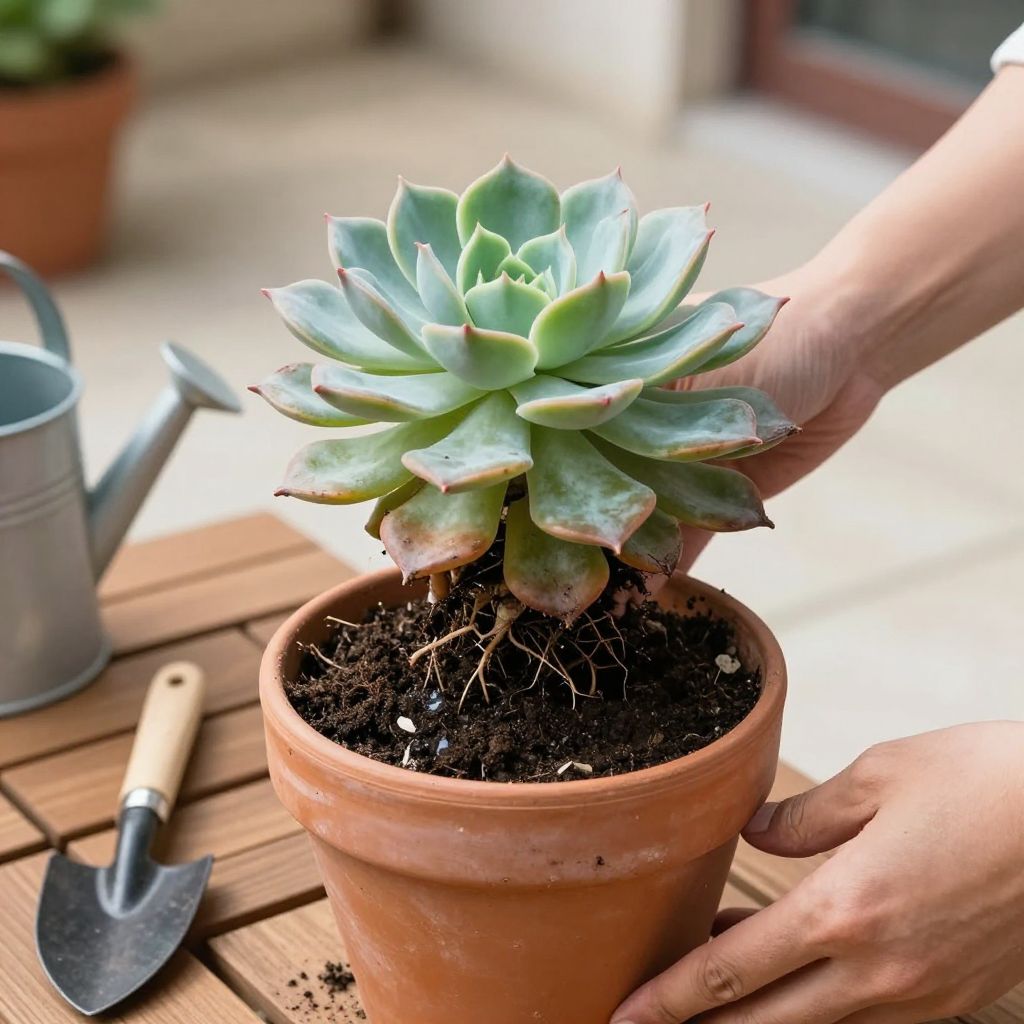
Why is my succulent dying? In most cases, the problem is not that the plant is “hard to grow,” but that its roots, light, or soil conditions are wrong. Succulents usually decline because they are kept too wet, placed in too little light, or planted in a mix that holds water for too long.
The good news is that many struggling succulents can recover if you diagnose the issue early and make a few careful changes. The key is to check the roots, leaves, soil, and location before you water again or add fertilizer.
Why is my succulent dying?
Most succulents die from overwatering, poor drainage, or insufficient light. Other common causes include root rot, cold damage, pests, compacted soil, and sudden environmental changes. The fastest way to help is to inspect the plant, dry out wet soil, improve drainage, and move it to brighter light if needed.
Check the most common causes first
1. Overwatering
Overwatering is the number one reason succulents decline. Succulent roots need air as much as water, and constantly damp soil suffocates them.
Signs include:
- Soft, translucent, or mushy leaves
- Leaves falling off easily
- Blackened stems near the soil line
- Soil that stays wet for many days
If the pot feels heavy and the mix is still moist, stop watering immediately. Let the soil dry fully before watering again, and if the plant is already mushy, inspect the roots for rot.
2. Underwatering
Succulents can also suffer from too little water, especially in hot weather, very small pots, or fast-draining mixes. Underwatered plants often look wrinkled, shriveled, or thin rather than soft and swollen.
Signs include:
- Wrinkled leaves
- Dry, crispy lower leaves
- Slow growth
- Potting mix pulling away from the sides of the container
Give a thorough watering only after the soil has dried out completely. Water until excess runs from the drainage holes, then empty the saucer so the roots do not sit in water.
3. Not enough light
Many indoor succulents slowly weaken because they are kept too far from a bright window. In low light, they stretch, pale, and become more vulnerable to rot.
Look for:
- Long, leggy stems
- Leaves spaced farther apart than usual
- Faded color
- Plant leaning toward the window
Move the plant to the brightest spot you have, ideally near a south- or west-facing window if your climate and indoor heat allow it. Increase light gradually over a week or two so the leaves do not scorch.
4. Poor drainage or the wrong soil
Succulents need a gritty, fast-draining mix. Regular potting soil often holds too much moisture, especially in low light or cool rooms.
Problems are more likely if the pot has no drainage hole or if the container is oversized for the plant. A large volume of wet soil dries slowly and raises the risk of root rot.
Use a pot with drainage holes and a mix made for cacti and succulents, or amend potting soil with mineral material such as pumice, perlite, or coarse sand if appropriate for your plant and climate.
5. Root rot
If a succulent has been wet for too long, the roots may rot. Root rot is serious, but if some healthy tissue remains, you may still save the plant.
Symptoms include:
- Black, brown, or mushy roots
- Bad smell from the soil
- Stem collapse at the base
- Leaves dropping even when the soil is wet
Remove the plant from its pot, trim away soft or dark roots with clean scissors, and let the healthy parts dry briefly before repotting into fresh, dry, well-draining mix.
How to diagnose the problem step by step
- Check the soil. If it is wet, soggy, or smells sour, overwatering or poor drainage is likely.
- Inspect the leaves. Soft and translucent usually means too much water; wrinkled and thin usually means too little.
- Look at the growth habit. Stretching and leaning usually point to low light.
- Examine the pot. Make sure it has drainage holes and is not much larger than the root ball.
- Remove the plant if needed. Check the roots for rot if the top growth is declining quickly.
This quick check often reveals whether the plant needs drying out, brighter light, a new pot, or root cleanup.
How to save a dying succulent
If the soil is too wet
- Stop watering right away.
- Move the plant to a warm, bright spot with airflow.
- If the pot has no drainage hole, repot into one that does.
- Replace heavy soil with a fast-draining succulent mix.
- Do not mist the plant.
If root rot is present
- Remove the plant from the pot.
- Gently shake off wet soil.
- Cut away black, mushy, or foul-smelling roots with clean tools.
- Let the plant air-dry for a short time if the stem is firm.
- Repot in dry, fresh mix and wait several days before watering lightly.
If the stem is soft all the way up, propagation from a healthy section or leaf may be the only option.
If the plant is stretched from low light
Move it to brighter light gradually. A succulent that has been grown in shade should not be placed in intense direct sun all at once, or the leaves can scorch.
Rotate the pot every week or two so the plant grows evenly. If the succulent is very leggy, you can prune and propagate healthy top growth in some species.
If the leaves are shriveled
Check whether the soil is bone dry. If it is, water thoroughly and allow excess water to drain away. If the soil is already wet and the leaves are still shriveling, the roots may be damaged and unable to absorb moisture.
Watering succulents the right way
Succulents do best with a soak-and-dry approach. Water deeply, then wait until the soil dries completely before watering again. The exact timing depends on temperature, light, pot size, humidity, and the plant’s growth rate.
For indoor plants, always check the soil with your finger or a wooden skewer before watering. For outdoor succulents, rain, shade, and seasonal changes matter even more, so adjust accordingly.
Helpful watering habits include:
- Water in the morning when possible so the soil can dry during the day.
- Empty saucers after watering.
- Water less often in cool, dark months.
- Water more often during active growth and hot, bright weather if the plant is drying out quickly.
Soil, pots, and drainage matter more than you think
Even a healthy succulent can decline in the wrong container. A pot without drainage can trap water around the roots, and dense soil can stay wet long after the top looks dry.
Choose:
- A pot with drainage holes
- A gritty, fast-draining succulent or cactus mix
- A container size that fits the root ball closely
Terracotta can be helpful because it dries faster than plastic, but any pot can work if it drains well and the soil is appropriate.
Light and seasonal changes
Succulents often need more light than beginners expect, especially indoors. A plant that was healthy in summer may struggle in winter when days are shorter and the soil dries more slowly.
Seasonal tips:
- Winter: reduce watering because growth slows and evaporation drops.
- Spring and summer: watch for faster drying and more active growth.
- Outdoor plants: protect from excessive rain if the potting mix stays wet.
- Indoor plants: move closer to a bright window during darker months.
If your succulent suddenly looks worse after a move, the change may be stress from a new light level, temperature shift, or watering pattern.
Pests and diseases that can weaken succulents
Common pests
Mealybugs are a frequent problem on succulents. They look like white cottony clusters in leaf joints or along stems. Aphids and scale can also appear, especially on tender new growth.
Check the undersides of leaves and the base of the plant. If you find pests, isolate the plant and remove them promptly with a cotton swab dipped in rubbing alcohol or by using another suitable control method for your plant and growing space.
Fungal and bacterial issues
Soft rot and fungal problems often follow excess moisture, poor airflow, or damaged tissue. Dark, spreading spots or a foul smell are warning signs.
Remove affected tissue with clean tools and improve airflow and drainage. If the infection is advanced, it may be safer to discard the plant to protect nearby succulents.
Can a dying succulent be propagated?
Sometimes, yes. If the roots are failing but the stem or leaves are still healthy, propagation may save the plant. This works best when there is firm, disease-free tissue left to root.
Common methods include:
- Leaf propagation for many fleshy-leaved succulents
- Stem cuttings for leggy or top-heavy plants
Allow cut surfaces to dry and callus before placing them in a dry, well-draining mix. Keep the cutting in bright, indirect light and water sparingly until roots form.
Practical mistakes to avoid
- Watering on a fixed schedule without checking the soil
- Using a pot without drainage holes
- Keeping succulents in dark corners
- Repotting into heavy garden soil
- Fertilizing a stressed or rotting plant
- Letting a saucer stay full of water
When a succulent is already struggling, less intervention is often better than more. Fix the growing conditions first, then wait to see how the plant responds.
When to repot a succulent
Repotting is useful when the mix stays wet too long, the plant has outgrown its container, or the roots are damaged. It is also a good time to refresh exhausted soil that no longer drains well.
Repot carefully and avoid burying the stem too deeply. After repotting, wait a few days before watering so any damaged roots have time to heal.
Conclusion: what to do today
If you are asking, “Why is my succulent dying,” start by checking the soil moisture, drainage, and light level. In many cases, the plant can recover once you correct one or two basic growing conditions. If you want, inspect the roots now, repot into a draining mix if needed, and move the plant to brighter light.
For more practical plant-care help, you may also find related reading on how to repot houseplants successfully and fixing common indoor plant watering problems.