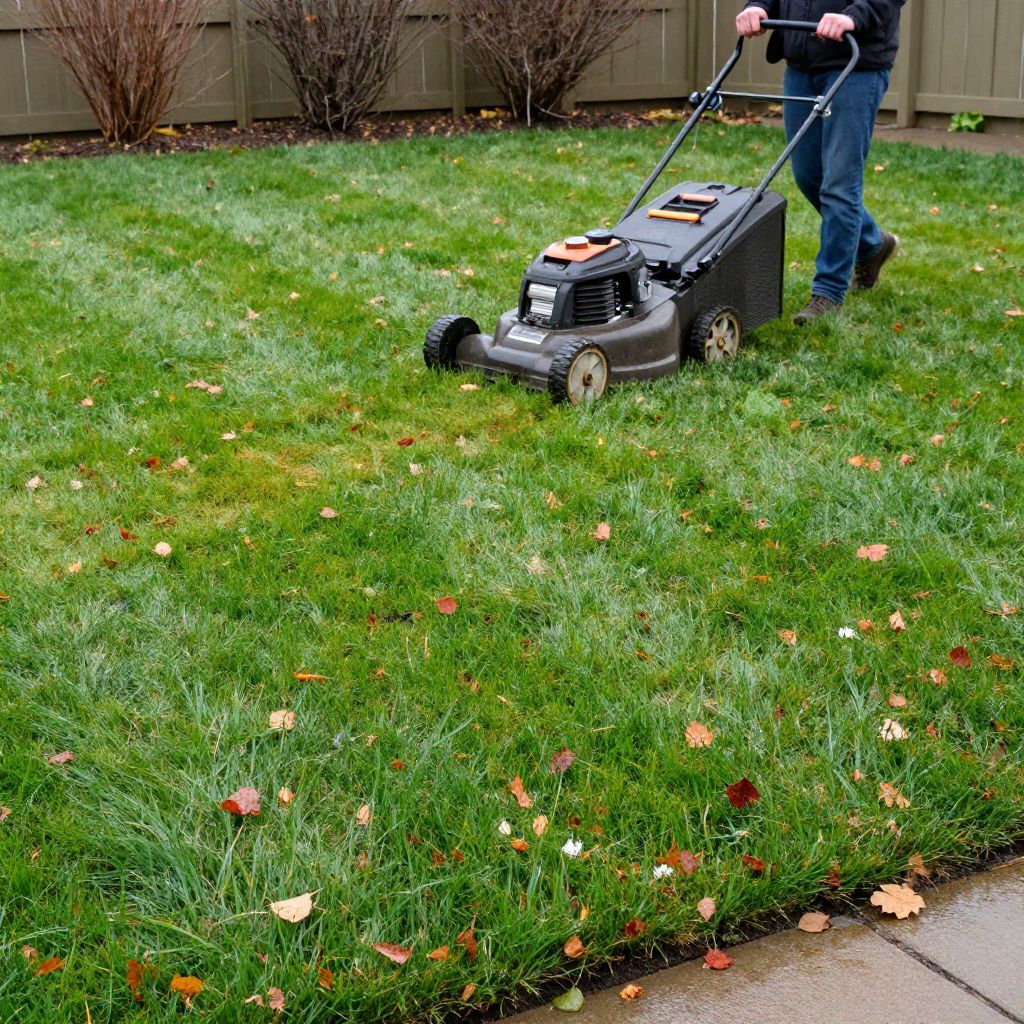
Wondering when to stop mowing lawn before winter sets in? The right timing depends on your grass type, local climate, and how fast your lawn is still growing. Stop too early and the grass may get shaggy and mat down; mow too late and you can stress turf that’s already slowing down.
The goal is simple: keep the lawn at a healthy height until growth mostly stops, then make one final mow at the right height before cold weather or dormancy arrives. A little timing now can help your grass enter winter cleaner, healthier, and less prone to disease.
When should you stop mowing lawn?
You should stop mowing lawn when grass has essentially stopped growing for the season and a final cut would remove too much leaf blade. In many areas, that means after the last regular growth flush in fall, but before the lawn becomes frozen, waterlogged, or dormant. The exact timing depends on temperature, rainfall, and grass type.
How to tell your lawn is ready for the last mow
Don’t rely on the calendar alone. Watch the grass itself, because lawns respond to local weather more than dates.
Signs growth is slowing down
- You’re mowing much less often than in summer.
- The grass is no longer springing back quickly after a cut.
- Daytime temperatures are consistently cooler, and nights are chilly.
- Clippings are sparse and the lawn looks nearly still between mowings.
Signs you should stop mowing soon
- The soil is soft, muddy, or staying wet for long periods.
- Frost is appearing on the grass in the morning.
- The lawn is going dormant and no longer needs frequent cutting.
- Cutting would remove more than one-third of the blade height.
Important: Never mow frozen grass or a lawn that is soggy enough to rut underfoot. That can damage crowns, compact soil, and leave tracks that linger into spring.
What is the best final mowing height?
For the last mow of the season, aim to keep the turf at a moderate height rather than cutting it extra short. A final cut that is slightly shorter than your usual summer height can reduce matting and help the lawn stand up better through winter, but scalping is a mistake.
General height guidance
- Cool-season grasses such as Kentucky bluegrass, perennial ryegrass, and tall fescue are often kept around 2.5 to 3.5 inches, depending on the lawn and local practice.
- Warm-season grasses such as bermudagrass or zoysiagrass are usually mowed at different heights during the growing season and may need a final cut before dormancy based on local recommendations.
If you’re unsure, follow the normal recommended mowing height for your grass type and avoid removing more than one-third of the blade in a single mowing. That rule matters more than trying to force a very short final cut.
Seasonal timing by climate
The answer to when to stop mowing lawn changes with your region. Use weather cues and grass behavior, not just the month on the calendar.
Cooler climates with cold winters
In places with a true winter, mowing usually tapers off in fall as growth slows. You may only need one final mow after the last active growth period and before repeated frosts or snowfall.
Mild-winter regions
Where winters are soft and grass keeps growing slowly, you may need to mow less often rather than stopping completely. The lawn may still need occasional maintenance cuts whenever growth picks up after rain and warmth.
Warm-season grass areas
Warm-season lawns often slow down or go dormant when temperatures cool. Stop mowing once growth has clearly stalled and the grass is no longer actively producing new blades. If your lawn browns off for winter, don’t keep cutting it just because the season is changing.
How to make the final mow count
A good last mow can set your lawn up well for winter. Take your time and mow under the right conditions.
- Wait for dry, workable turf. The lawn should be dry enough that the mower wheels don’t sink or leave tracks.
- Set the mower to the correct height. Keep it within the recommended range for your grass type.
- Sharpen the blade first. A clean cut heals better and reduces frayed tips that can turn brown.
- Mow slowly and evenly. Uneven speed can create scalping on dips and bumps.
- Leave clippings if they are light. Fine clippings can break down and return nutrients, but heavy clumps should be collected.
Should you bag the clippings?
Usually, light clippings can stay on the lawn if they are spread thinly. Bag them if the grass is long, damp, or producing thick clumps that could smother the turf. Clumps left on the lawn can invite disease and create dead patches.
Common mistakes to avoid before winter
Many lawn problems in spring start with avoidable fall mowing errors.
- Stopping too early and leaving the lawn long enough to mat down under leaves or snow.
- Mowing too short and exposing crowns to cold, drying winds, and winter stress.
- Mowing wet soil and compacting the root zone.
- Using a dull blade that tears grass instead of cutting it cleanly.
- Ignoring leaf buildup that blocks light and traps moisture.
If leaves are falling heavily, keep clearing them off the grass even if you’ve nearly finished mowing for the year. A thick leaf layer can smother turf and encourage fungal problems.
What if your lawn keeps growing after you think it should stop?
Some lawns stay active longer than expected, especially during warm autumn spells. If growth continues, keep mowing as needed, but reduce stress by avoiding very low cuts and mowing only when the lawn is dry and actively growing.
If the lawn is patchy or stressed
Thin, drought-stressed, or newly seeded lawns need extra caution. Don’t force a final mow just because the season is ending. If the grass is too weak or too short to handle cutting, let it recover until conditions improve or growth naturally stops.
If you overseeded in fall
New grass seedlings should be mowed only when they are tall enough to cut without being pulled from the soil. If the seedlings are still establishing, delay mowing until they reach a safe height and the soil is firm.
How mowing fits into fall lawn care
Stopping at the right time is only one part of preparing your lawn for winter. Good fall maintenance helps the turf enter dormancy in better shape.
- Rake or mulch leaves so the grass doesn’t stay covered.
- Aerate compacted soil if your lawn suffers from heavy foot traffic or clay soil.
- Water deeply only if needed during dry spells, especially before the ground freezes.
- Keep mower maintenance up so the final cut is clean and even.
Healthy lawns also benefit from good drainage. If water pools after rain, the grass may stay too wet to mow safely and may struggle through winter. In that case, improving grading, reducing compaction, or addressing drainage issues can matter more than mowing one more time.
Quick decision guide: should you mow again?
Use this simple check before every late-season mow:
- If the grass is still actively growing, mow as needed.
- If growth has slowed a lot but the lawn is still standing upright, one final mow may help.
- If the lawn is wet, frozen, or dormant, stop mowing.
- If a cut would remove too much blade length, wait or skip it.
Best rule of thumb: mow only while the lawn is actively growing enough to recover from the cut. Once growth has nearly stopped, your last mow should be the final light maintenance cut before winter conditions take over.
Conclusion
To decide when to stop mowing lawn, watch for slowing growth, cooler weather, and the first signs that the turf is entering dormancy. Make one last clean cut at the proper height, then leave the mower parked until growth resumes. If you want to keep your equipment ready for next season, you may also find it useful to read about what kind of oil a lawn mower takes.