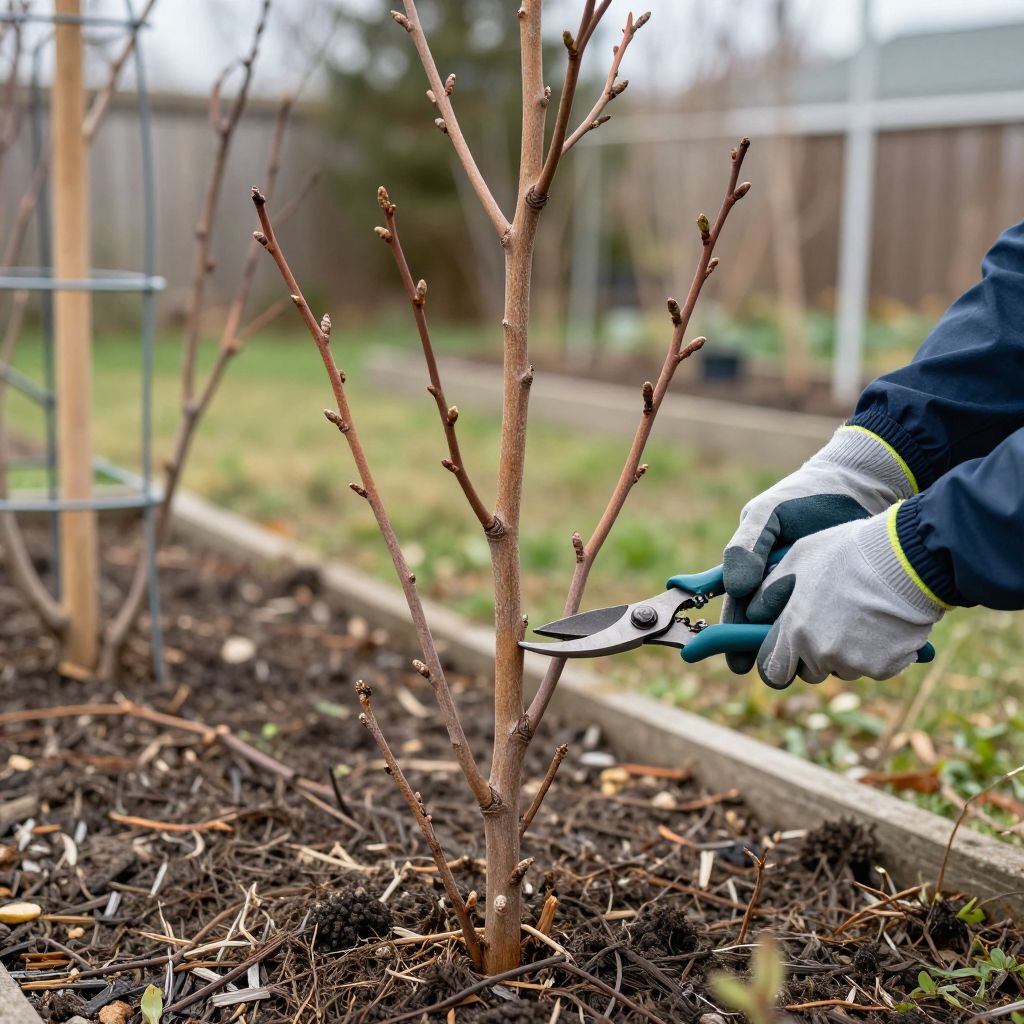
When should you prune blueberry bushes, and how much should you cut back? The short answer is that most blueberry bushes are pruned in late winter to early spring, while the plants are dormant and before new growth starts. The goal is to remove dead, weak, crowded, or unproductive wood so the shrub stays healthy and keeps producing well.
Timing matters because blueberries fruit on canes of different ages, and pruning at the wrong time can remove flower buds or stress the plant. With the right seasonal approach, you can improve airflow, berry size, and long-term productivity without overpruning.
When To Prune Blueberry Bushes?
Prune blueberry bushes in late winter to early spring, after the coldest weather has passed but before buds break. In many climates, that means late February through March, but local conditions matter. Avoid pruning during active growth or right before a hard freeze, and remove only what the plant can spare.
Why Timing Matters for Blueberry Pruning
Blueberries set next season’s fruit buds on wood that is already growing, so pruning at the wrong time can reduce your crop. Dormant-season pruning lets you clearly see the branch structure and make cleaner cuts without interrupting growth.
It also helps the shrub recover quickly once spring growth begins. A well-timed prune encourages new canes, better light penetration, and stronger fruiting wood over time.
The best pruning window
- Late winter to early spring is the standard pruning window for established blueberry bushes.
- Choose a time when the plant is still dormant, but the worst winter weather is mostly over.
- In colder regions, wait until the risk of severe freeze damage has eased.
- In milder climates, you may prune earlier, as long as the bush is not actively growing.
When not to prune
- Do not prune in fall if you can avoid it; fresh cuts may be more vulnerable to winter injury.
- Avoid heavy pruning during summer, when the plant is supporting fruit and building reserves.
- Skip major pruning during a heat wave or drought stress.
- Do not prune right after planting unless you are removing clearly damaged wood or shaping a very young plant lightly.
How to Prune Blueberry Bushes Step by Step
Blueberry pruning should be selective, not drastic. The aim is to keep a balance between young productive canes and older wood that still contributes to the crop.
- Start by removing dead, damaged, or diseased wood. Cut these branches back to healthy tissue or remove them at the base.
- Take out low, weak, or spindly shoots. These rarely produce strong fruit and often clutter the center of the bush.
- Open up the center. Remove some crowded canes so light and air can move through the plant.
- Cut out old, unproductive canes. Very thick, gray, or heavily branched stems often produce fewer berries than younger canes.
- Shorten overly long canes only if needed. Make cuts to a strong outward-facing side branch, not just random topping cuts.
- Step back and assess. The finished shrub should look open, balanced, and not stripped bare.
How much should you remove?
For mature blueberry bushes, a light annual prune is usually better than a severe cutback. Many gardeners remove a modest portion of the oldest, weakest, or most crowded wood each year rather than taking off a large amount all at once.
Young plants need much less. In the first couple of years, focus mainly on removing damaged wood and a few weak shoots so the shrub can build a strong framework.
Pruning by Plant Age
Newly planted blueberry bushes
Young blueberry bushes often need only minimal pruning. If the plant is very small, removing flower buds for the first season can help it put energy into roots and cane development instead of fruiting.
Use restraint here. The goal is to establish a sturdy, well-shaped shrub, not to force a heavy harvest too soon.
Established bushes
Mature blueberries benefit from annual maintenance pruning. Remove a few of the oldest canes at the base each year and thin out weak growth to keep the plant productive.
This steady renewal encourages vigorous new canes, which are often the most fruitful over time.
Overgrown bushes
If a blueberry bush has been neglected, don’t try to fix everything in one season. A hard renovation prune can shock the plant and reduce fruiting for a while.
Instead, renew it gradually over two or three years by removing the oldest canes first and thinning the rest. This is safer and usually gives better recovery.
What Tools to Use
Clean, sharp tools make pruning easier and reduce the chance of tearing bark or spreading disease. For most blueberry bushes, hand pruners are enough, though loppers may help with thicker canes.
- Bypass hand pruners for small stems and precise cuts
- Loppers for thicker canes near the base
- Pruning saw for very old or heavy wood
- Gloves to protect your hands from scratchy stems
Disinfect tools if you are removing diseased wood or moving between plants that may have infection issues. Clean cuts heal better and reduce stress on the shrub.
Common Mistakes to Avoid
Blueberries are forgiving, but a few pruning mistakes can reduce yield or weaken the plant. The biggest issue is usually cutting too much at once.
- Overpruning can remove too many fruiting buds and trigger excessive leafy growth instead of berries.
- Topping the bush creates awkward regrowth and can reduce the natural structure of the plant.
- Leaving crowded canes blocks airflow and makes the shrub more prone to disease.
- Ignoring dead wood wastes the plant’s energy and can hide pest or disease problems.
- Pruning at the wrong season may reduce fruiting or expose cuts to winter damage.
How Pruning Affects Fruit Production
Blueberry bushes fruit best on a mix of younger, vigorous canes and healthy older wood. If the plant gets too dense, berries may be smaller and ripen unevenly because the interior does not get enough light.
Good pruning helps the bush direct energy into fewer, stronger shoots. That usually means better berry quality, easier picking, and a healthier plant overall.
Signs your blueberry bush needs pruning
- Lots of thin, twiggy growth
- Few new canes coming from the base
- Dense center with poor airflow
- Small berries or reduced harvest
- Dead or broken branches after winter
Seasonal Care After Pruning
After pruning, give the bush steady care so it can recover well. Blueberries prefer consistently moist but well-drained soil, and they dislike drying out during active growth.
If your soil is alkaline or heavy, the plant may struggle even with good pruning. Blueberries generally perform best in acidic soil with good organic matter and drainage, so check the site if growth has been weak.
Helpful follow-up care
- Water deeply during dry spells, especially as new growth starts.
- Refresh mulch to help hold moisture and suppress weeds.
- Watch for signs of pests or disease on fresh growth.
- Avoid heavy fertilizing right after a major prune unless your soil test suggests it is needed.
Special Situations: Container Blueberries and Different Climates
Container-grown blueberries are pruned the same way as in-ground plants, but they may need a lighter touch because root space is limited. Keep the plant balanced and avoid removing too much at once.
In colder regions, wait until late winter when severe freezes are less likely. In warmer areas, pruning may happen earlier, but it should still be done before strong spring growth begins. Local weather is more important than the calendar alone.
Can You Prune Blueberries in Summer?
Light summer pruning is sometimes useful for removing broken, diseased, or clearly dead branches. However, major pruning in summer is usually not ideal because it can reduce fruiting and force the plant to spend energy on regrowth instead of ripening berries.
If you must correct a problem during the growing season, keep the cuts minimal and targeted.
Quick Pruning Checklist
- Wait until late winter or early spring
- Remove dead, damaged, and diseased wood first
- Thin crowded canes to improve airflow
- Cut out some of the oldest, least productive stems
- Keep the shrub open, balanced, and natural in shape
- Do not remove too much in a single year
Conclusion
If you’ve been wondering when to prune blueberry bushes, the best answer is usually late winter to early spring, while the plant is still dormant. Start with dead and crowded wood, then thin older canes gradually so the shrub stays productive and healthy.
For more plant care help, you may also want to read about growing blueberries successfully and basic pruning techniques for fruit bushes.