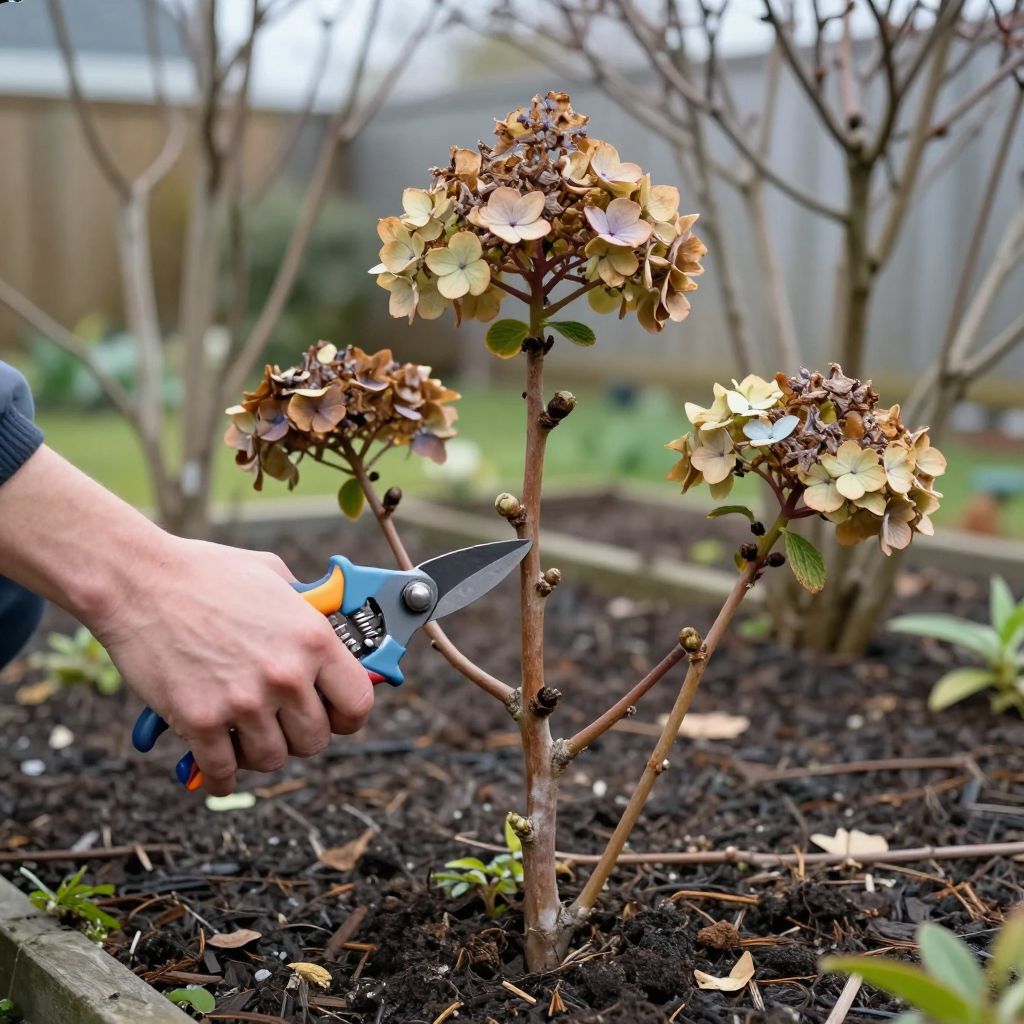
Wondering when to cut back hydrangea without losing next season’s flowers? The answer depends on the type of hydrangea you grow and when it blooms. Some hydrangeas set buds on old wood, others on new wood, so the wrong pruning time can remove flower buds before they open.
The safest approach is to identify your hydrangea first, then prune at the right season with light, targeted cuts. Once you know whether your plant blooms on old or new growth, the timing becomes much easier and your flowering will be far more reliable.
When to cut back hydrangea?
The best time to cut back hydrangea depends on the species and bloom habit. Prune old-wood bloomers right after flowering, and prune new-wood bloomers in late winter or early spring before vigorous growth starts. If you are unsure which type you have, wait until after flowering and remove only dead or damaged stems.
Know your hydrangea before you prune
Hydrangeas are not pruned the same way. The most important step is identifying whether your plant blooms on old wood or new wood.
Old-wood bloomers
These form flower buds on stems that grew the previous year. Common examples include bigleaf hydrangea (Hydrangea macrophylla) and oakleaf hydrangea (Hydrangea quercifolia).
For these, prune soon after flowering, usually in summer. If you wait until late winter or spring, you may cut off the buds that would have bloomed that year.
New-wood bloomers
These flower on stems that grow in the current season. Common examples include smooth hydrangea (Hydrangea arborescens) and panicle hydrangea (Hydrangea paniculata).
You can cut these back in late winter or early spring, before new shoots begin. This is often the easiest group for gardeners who want a simple pruning routine.
Best seasonal timing by hydrangea type
Spring
Spring is the right time to prune new-wood bloomers if you have not already done so. Remove weak, broken, or winter-damaged stems before growth starts.
Avoid hard pruning old-wood bloomers in spring unless you are only removing dead wood. By then, flower buds may already be forming.
Summer
Summer is the best time to cut back old-wood bloomers after they finish flowering. This gives the plant time to produce new stems and set next year’s buds.
Light deadheading can be done earlier, but avoid major shaping if you want the strongest bloom display next year.
Fall
Fall is usually not the best time for major hydrangea pruning. Fresh cuts can encourage tender new growth that may be damaged by cold weather.
In colder climates, it is often better to leave stems alone through winter and prune in the correct season instead.
Winter
Winter pruning is fine for many new-wood hydrangeas if the weather is mild enough to work comfortably. It is also a good time to remove broken stems from storms.
For old-wood types, winter pruning is risky because you cannot easily tell which stems are carrying flower buds.
How to cut back hydrangea the right way
Pruning does not need to be complicated. Start with a clean, sharp pair of bypass pruners and make deliberate cuts.
- Remove dead, damaged, or diseased stems first. Cut back to healthy wood or to the base if the stem is clearly dead.
- Thin out crowded stems. Remove a few of the oldest stems at the base to improve air circulation and reduce congestion.
- Shorten stems only as needed. On old-wood types, cut just above a pair of healthy buds after flowering. On new-wood types, you can reduce height more confidently in late winter or early spring.
- Shape lightly. Keep the natural form of the shrub instead of forcing it into a tight ball.
As a rule, avoid removing more than about one-third of the plant at one time unless you are rejuvenating an overgrown shrub and you know it is a new-wood bloomer.
What happens if you cut hydrangea back at the wrong time?
The most common result is fewer flowers. On old-wood hydrangeas, late pruning often removes the buds that were already formed for the season.
On new-wood types, pruning too late is usually less harmful, but it can delay flowering and leave the plant looking uneven for a while.
Signs you may have pruned too hard
- Lots of leafy growth but few or no blooms
- Stems that look healthy but never flower
- Thin, weak shoots after severe cutting
- Delayed flowering compared with previous years
If this happens, do not panic. Many hydrangeas recover well the following season if you let them grow naturally and avoid more unnecessary pruning.
How to tell if your hydrangea blooms on old wood or new wood
If you are unsure, observe the plant through the season. Bigleaf and oakleaf hydrangeas usually bloom earlier and are more sensitive to spring pruning. Smooth and panicle hydrangeas are generally more forgiving and bloom later on fresh growth.
When in doubt, use this simple rule: if it blooms early, prune after flowering; if it blooms later on new growth, prune before growth begins.
A practical identification checklist
- Did it bloom early in summer on established stems? It may be an old-wood type.
- Does it flower later in the season on fresh, vigorous stems? It may be a new-wood type.
- Were the flower buds visible on stems from the previous year? That points to old wood.
- Are you still unsure? Make only light cleanup cuts until you can identify it more confidently.
Growing conditions that help hydrangeas recover after pruning
Healthy plants bounce back better from pruning. Hydrangeas generally prefer rich, moisture-retentive soil that drains well, plus consistent water during dry spells.
They do best in morning sun with afternoon shade in hotter climates, while cooler regions can often support more sun. Too much shade can reduce flowering, and too much hot sun can scorch leaves and stress newly cut plants.
Soil and mulch
Work in compost if your soil is poor or sandy, but avoid burying the crown. A 2- to 3-inch layer of mulch helps conserve moisture and moderate soil temperature.
Keep mulch a few inches away from the stems to reduce rot and pest issues.
Watering after pruning
After cutting back hydrangea, water deeply if the soil is dry. New growth needs steady moisture, especially during warm weather.
Do not keep the soil soggy. Poor drainage can lead to root stress and weak growth, especially in heavy clay soils.
Common pruning mistakes to avoid
- Pruning at the wrong season. This is the biggest reason hydrangeas fail to bloom.
- Shearing into a tight ball. This can remove too many buds and create weak, crowded growth.
- Cutting all stems to the ground. This is only appropriate for some new-wood hydrangeas, and even then it is not always necessary.
- Using dull or dirty tools. Ragged cuts heal poorly and can spread disease.
- Ignoring dead wood. Dead stems should be removed, but only after you confirm they are truly dead.
Pruning for better flowers and plant health
Good hydrangea pruning is less about cutting hard and more about timing and restraint. A light annual cleanup often produces better results than severe cutting.
Focus on removing spent blooms, dead stems, and a few of the oldest canes. That keeps the shrub open, healthy, and productive without sacrificing future flowers.
When to do a rejuvenation cut
If an older hydrangea is overgrown, sparse, or woody, you may need a more serious reset. Do this only if you know the plant blooms on new wood, or be prepared for reduced flowering on old-wood types.
A safer approach for uncertain plants is to remove one-third of the oldest stems at the base over several seasons rather than cutting everything at once.
Propagation and cleanup after pruning
Sometimes healthy pruned stems can be used for cuttings, especially if you are already shaping the plant. Softwood or semi-ripe cuttings may root, depending on the type and season.
Also remove fallen leaves, spent flower heads, and diseased debris from around the base. This helps reduce fungal problems and keeps the planting area tidy.
Quick answer by season
- After flowering: Prune old-wood hydrangeas lightly and shape them.
- Late winter to early spring: Prune new-wood hydrangeas before growth starts.
- Fall: Avoid major pruning unless you are removing broken or diseased stems.
- Any time: Remove dead, damaged, or diseased wood as needed.
Conclusion: the safest way to cut back hydrangea
If you are still unsure when to cut back hydrangea, wait until after blooming and make only light cleanup cuts. That is the safest choice for most gardeners because it protects next season’s buds while still improving the plant’s shape.
Next, identify whether your hydrangea blooms on old wood or new wood, then prune at the correct season with clean tools and a light hand. If you want more help with shrub care and seasonal maintenance, look for related guides on pruning and flowering shrubs in your garden.