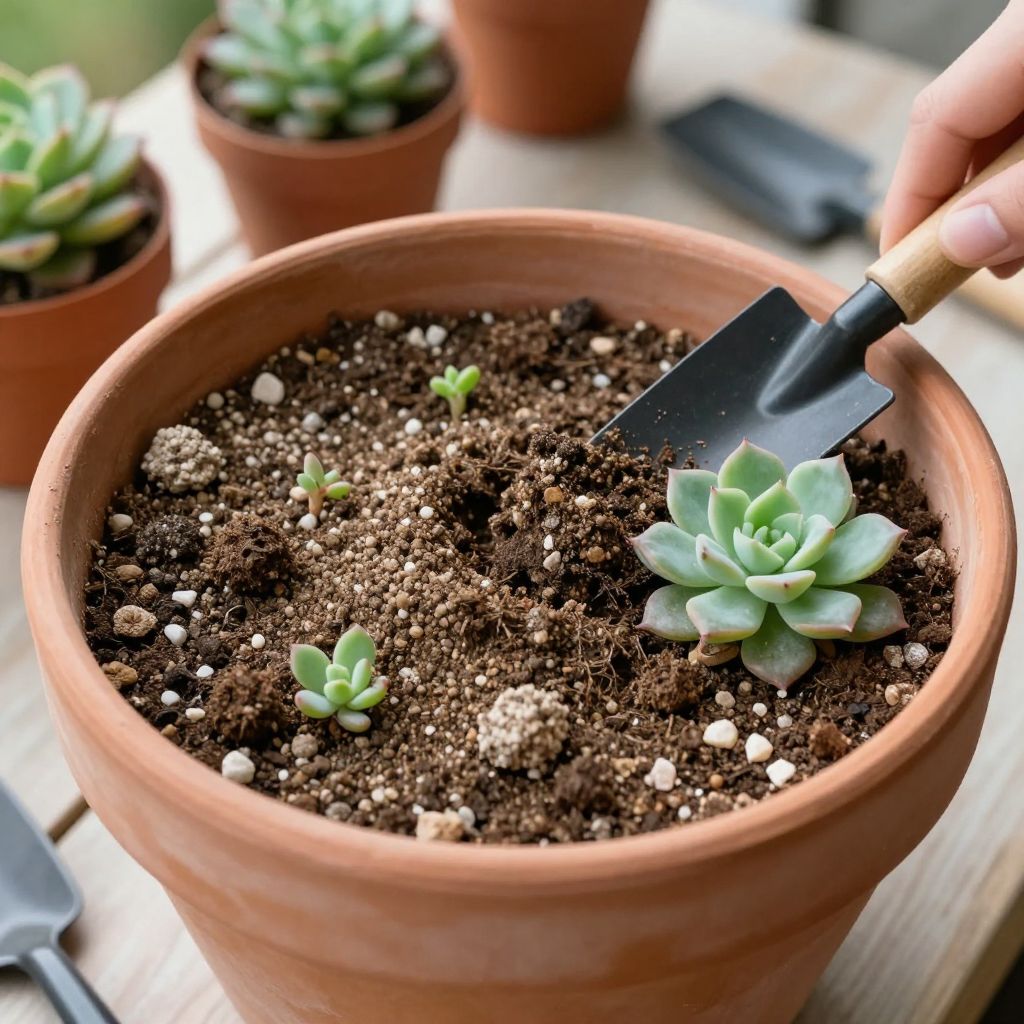
What kind of soil for succulents gives the best results? The short answer is a fast-draining, airy mix that dries out between waterings. Succulents hate staying wet around their roots, so the goal is to create soil that holds just enough moisture to support the plant without becoming soggy.
Whether you grow succulents indoors in pots or outdoors in the ground, the right soil can prevent rot, improve root growth, and make watering much easier to manage. The best mix depends on your climate, container type, and how often your plants dry out.
What kind of soil for succulents?
Succulents do best in a gritty, well-draining soil mix with more air space than regular potting soil. A good starting point is a blend of potting mix plus mineral material such as pumice, perlite, coarse sand, or fine gravel. The mix should drain quickly, not compact easily, and dry out fully between waterings.
Why succulents need special soil
Succulents store water in their leaves, stems, or roots, so they are adapted to periods of dryness. Their roots need oxygen, and dense, moisture-holding soil can suffocate roots and encourage rot.
Regular houseplant soil often stays wet too long for succulents. That is especially true in low-light indoor conditions, cool weather, or pots without excellent drainage.
What goes wrong in the wrong soil
- Root rot from soil that stays wet too long.
- Weak, stretched growth when roots struggle in compacted soil.
- Salt buildup if poor drainage keeps fertilizer and minerals in the root zone.
- Pests such as fungus gnats, which often thrive in constantly damp potting media.
The best ingredients for succulent soil
You do not need a complicated recipe. The best succulent soil usually combines a small amount of organic matter with a larger share of mineral material for drainage and structure.
Good organic ingredients
- Standard potting mix
- Coconut coir, used sparingly
- Compost, in small amounts if the plant is growing in a container
Organic ingredients help hold a little moisture and nutrients, but too much can make the mix heavy. For most succulents, keep organic material as the smaller portion of the blend.
Good mineral ingredients
- Pumice
- Perlite
- Coarse horticultural sand
- Gravel or crushed granite
- Small lava rock
These materials improve drainage and keep air pockets in the soil. Pumice is especially useful because it drains well while still holding some moisture inside its pores.
Simple soil mix ratios that work well
There is no single perfect formula, but a few practical ratios work for many common succulents. Adjust based on your conditions, pot size, and how quickly the mix dries.
- General indoor succulent mix: 1 part potting mix to 1 part pumice or perlite.
- For very dry homes or fast-drying pots: 2 parts potting mix to 1 part mineral material.
- For damp climates or heavy watering habits: 1 part potting mix to 2 parts mineral material.
If you grow succulents in bright, warm conditions with strong airflow, you can usually use a slightly richer mix. If your plants sit in cool rooms, low light, or non-porous pots, lean toward a grittier blend.
When to use cactus mix
Commercial cactus and succulent mixes can be a good shortcut, but they are not all equal. Some are still too peat-heavy and hold more moisture than many succulents prefer.
If the mix feels fluffy but also spongy or dense when wet, improve it by adding pumice or perlite. A bag labeled for cacti is a starting point, not always a finished solution.
Indoor vs. outdoor succulent soil
Indoor succulents usually need sharper drainage than outdoor plants because containers dry more slowly inside a home. Lower light and less airflow also mean the soil stays wet longer.
Outdoor succulents may tolerate slightly more organic matter if they are planted in raised beds, rock gardens, or very well-drained ground. Still, drainage matters more than fertility for most species.
For indoor pots
- Use a pot with a drainage hole.
- Choose a gritty mix that dries within a reasonable time.
- Avoid oversized pots, which hold excess moisture around the roots.
For outdoor planting
- Plant in raised beds, slopes, or sandy ground if possible.
- Amend heavy clay soil heavily with mineral material.
- Do not plant succulents in low spots where water collects.
Do succulents need compost?
Succulents need very little compost compared with leafy garden plants. A small amount can improve texture and provide nutrients, but too much compost can make the mix rich, dense, and moisture-retentive.
If you want to use compost, keep it modest and well-finished. For container plants, it is usually better to rely on a balanced succulent mix and occasional light feeding during active growth rather than loading the soil with compost.
Best use of compost in succulent soil
- Use no more than a small portion of the total mix.
- Blend it thoroughly so it does not form wet pockets.
- Choose mature, screened compost rather than fresh organic material.
How to tell if your succulent soil is right
A good succulent mix should feel loose and crumbly, not sticky or muddy. After watering, it should drain quickly and begin drying out without staying saturated for days.
Check the soil by touch and by observation. If the top dries but the lower half remains wet for too long, the mix is probably too heavy or the pot is too large.
Signs the mix is too wet
- Leaves feel soft or translucent.
- The plant starts to lean or collapse at the base.
- The soil stays dark and damp for several days.
- You notice fungus gnats or a sour smell.
Signs the mix is too dry or too gritty
- Water runs straight through without soaking in.
- Leaves wrinkle quickly after watering.
- The plant dries out extremely fast in warm weather.
If the mix is too fast-draining, add a little more potting soil or a small amount of compost. If it is too slow, increase pumice, perlite, or coarse sand.
Pot choice matters as much as soil
Even the best soil can fail in the wrong container. A pot with drainage holes is essential for most succulents, especially indoors.
Terracotta is often a good choice because it breathes and helps the soil dry faster. Glazed ceramic, plastic, or decorative cachepots can still work, but they usually require more careful watering and a grittier mix.
Container tips
- Use a pot only slightly larger than the root ball.
- Make sure excess water can escape freely.
- Do not add a thick layer of gravel at the bottom as a substitute for drainage.
That bottom gravel layer does not improve drainage the way many gardeners expect. It can actually keep the lower soil wetter for longer.
How to repot a succulent into better soil
Repotting is the easiest way to fix poor soil. It is also a good time to inspect roots and remove any damaged, mushy, or dead material.
- Remove the plant gently from its pot.
- Shake off loose old soil from the roots.
- Trim away any black, soft, or rotten roots with clean scissors.
- Fill the new pot with fresh, well-draining succulent mix.
- Set the plant at the same depth it was growing before.
- Wait a few days before watering if roots were disturbed or trimmed.
After repotting, keep the plant in bright light and avoid overwatering while it settles in. If the roots were damaged, a short dry period helps reduce rot risk.
Watering and soil go hand in hand
Succulent soil works best when watering is adjusted to the plant’s growth and the weather. A fast-draining mix does not mean you should water constantly; it means you can water thoroughly and let the soil dry properly afterward.
Water deeply, then wait until the mix is dry to the touch and the pot feels noticeably lighter before watering again. In cooler months or low light, that may take much longer than in summer.
Common watering mistakes
- Giving small sips too often, which keeps the upper roots damp.
- Watering on a fixed schedule without checking the soil.
- Leaving pots standing in saucers of water.
Light, airflow, and soil performance
Soil dries faster in bright light and good airflow. That is helpful for succulents, but it also means you must watch for faster drying in hot, sunny spots.
In low light, the same soil can stay wet much longer. If your succulent is indoors near a dim window, use a grittier mix and water less often, because the plant will use moisture more slowly.
Common succulent soil problems and fixes
Soil stays wet too long
This usually means the mix is too organic, the pot is too large, or the plant is getting too little light. Repot into a grittier blend and confirm the container drains well.
Soil becomes hard and compacted
Old potting mix can break down over time and lose air space. Refresh the mix every year or two, especially for potted succulents.
White crust on the soil surface
This may be mineral buildup from water or fertilizer. Flush the pot occasionally with clean water if needed, and avoid overfeeding.
Pests in the soil
Fungus gnats often signal soil that stays too damp. Let the mix dry more fully, improve drainage, and remove decaying plant debris from the surface.
Practical soil tips for different succulent types
Not all succulents have exactly the same needs. Thick-leaved types such as many Echeveria and Graptopetalum often prefer a very airy mix, while some tougher types can handle a slightly richer blend if drainage is still excellent.
For mixed succulent plantings, choose the driest-leaning mix that suits all the plants in the container. It is usually safer to err on the side of too gritty rather than too wet.
Conclusion
If you are wondering what kind of soil for succulents is best, choose a loose, fast-draining mix with more mineral material than ordinary potting soil. Start with a cactus or succulent mix, then improve it with pumice, perlite, or coarse sand if needed. Check your pot, light, and watering habits too, because soil works best when the whole growing setup supports dryness between waterings.
For more practical plant care guidance, you may also want to read about how to repot succulents and choosing the best pots for houseplants.