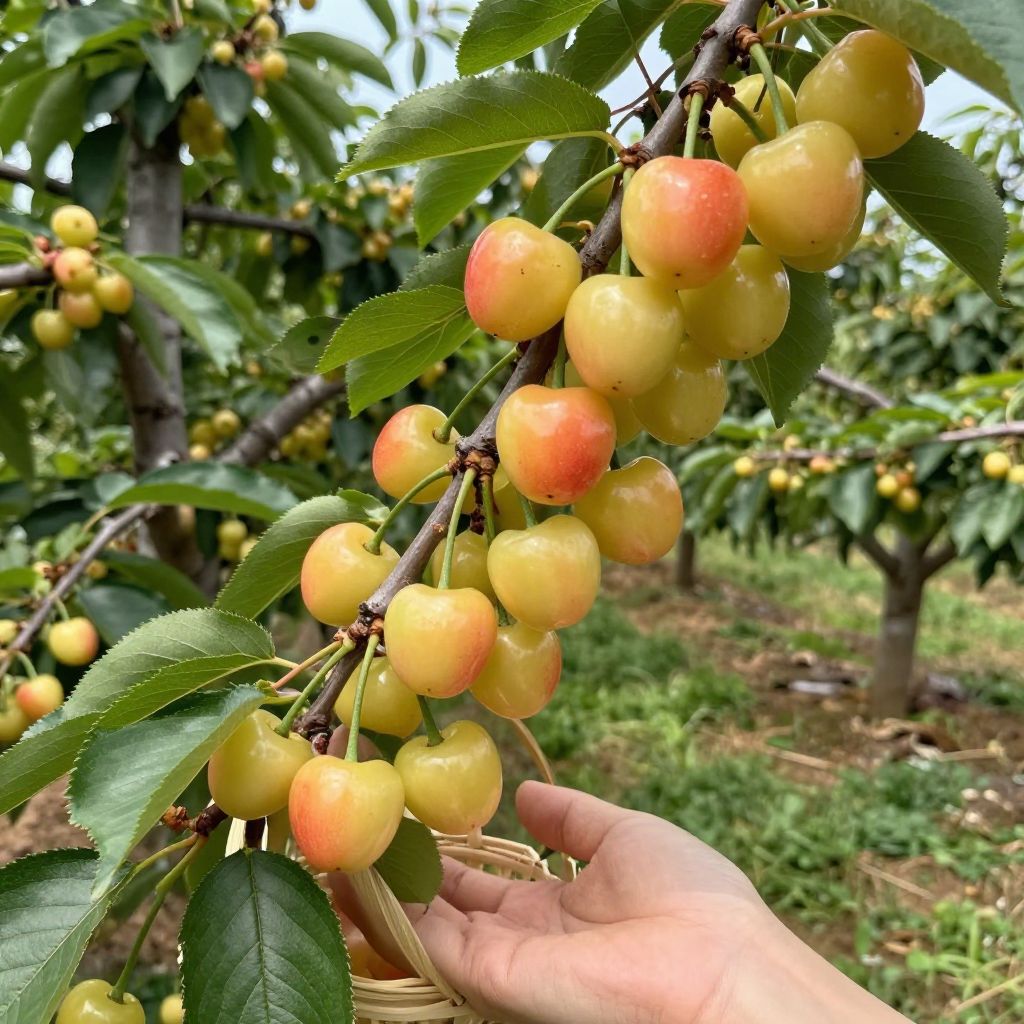
When are Rainier cherries in season? If you grow or buy this prized sweet cherry, timing matters because the harvest window is short and the fruit is delicate. Knowing the season helps you plan pruning, pollination, watering, and harvest at the right time.
Rainier cherries are usually a late spring to early summer crop, but the exact window depends on your climate, local weather, and the tree’s bloom time. In most home gardens, you’ll see ripe fruit for only a few weeks, so it pays to watch closely as the season approaches.
When are Rainier cherries in season?
Rainier cherries are typically in season from late May through July in many growing regions, with the heaviest harvest often falling in June. Warm springs can push ripening earlier, while cool or wet weather can delay it. In your own garden, harvest timing is best judged by fruit color, flavor, and ease of picking rather than the calendar alone.
What makes Rainier cherries different from other cherries?
Rainier cherries are a sweet cherry type, Prunus avium, known for their yellow skin with a red blush and very sweet flavor. They are less tart than sour cherries and are usually eaten fresh. Because they bruise easily and ripen quickly, they are one of the cherries where timing and gentle handling matter most.
Why the season is so short
Sweet cherries ripen all at once, and Rainiers are no exception. Once the fruit reaches full color and sweetness, it can soften fast in warm weather, especially after rain or heat spikes.
That short window is why home gardeners should check trees daily during ripening. A few days can make the difference between perfect fruit and cracked or bird-damaged fruit.
How to tell when Rainier cherries are ready to pick
Do not rely on color alone. Rainier cherries should have a creamy yellow base with a noticeable red blush, but the best sign of ripeness is flavor: the fruit should taste fully sweet, aromatic, and easy to detach from the stem with a gentle lift.
Ripeness checklist
- Color: Yellow to golden background with a red blush
- Texture: Firm but not hard
- Taste: Sweet, not starchy or bland
- Stem release: Fruit comes off with a slight twist or lift
- Size: Full size for the tree, though size alone is not a reliable cue
If you are unsure, taste a few cherries from different parts of the tree. Fruit on the sunnier side often ripens first, while shaded branches may lag several days behind.
What affects Rainier cherry season in the garden?
Several growing conditions can shift bloom and harvest timing. If you are growing Rainier cherries at home, your local microclimate matters as much as your general region.
Climate and chill conditions
Sweet cherries need enough winter chill to break dormancy properly, and spring weather strongly affects bloom and fruit set. A mild winter or a late cold snap can change the season length and reduce crop quality.
Sun exposure
Full sun helps trees ripen fruit more evenly. In partial shade, cherries may color poorly and ripen later, which can stretch the season but often lowers flavor.
Soil and drainage
Rainier cherries perform best in well-drained soil. Heavy, waterlogged soil can stress roots and make the tree less productive, while also increasing disease risk.
Rain during ripening
Wet weather near harvest can cause fruit cracking, especially if cherries absorb water quickly after a dry spell. This is one reason the season can feel very brief in rainy areas.
Growing Rainier cherries for better harvest timing
If you want a reliable crop, focus on tree health long before harvest season. A strong tree flowers more evenly, sets fruit better, and ripens with fewer problems.
Site selection
- Choose a site with full sun and good air movement.
- Avoid low spots where cold air settles in spring.
- Pick soil that drains well after rain or irrigation.
Planting basics
Plant cherry trees in soil that has been improved with compost if needed, but do not bury the root flare. Good drainage is more important than rich soil, and overly amended planting holes can create a water-holding “bathtub” effect.
Watering through the season
Young trees need consistent moisture to establish, while mature trees benefit from deep watering during dry periods. The goal is steady soil moisture, not soggy ground.
Uneven watering close to harvest can contribute to fruit splitting. If possible, use a mulch ring to help moderate moisture, but keep mulch a few inches away from the trunk.
Pruning for fruit quality
Prune during the appropriate dormant season for your climate to keep the canopy open to light. Good light penetration helps fruit color up more evenly and can make the harvest window easier to judge.
Remove crowded, crossing, or dead branches so air can move through the tree. This also helps reduce disease pressure during cool, wet springs.
Pollination and fruit set: why timing can vary
Many sweet cherries need a compatible pollinator nearby to set a good crop. If pollination is poor, you may see fewer cherries, uneven ripening, or a smaller harvest window because the fruit load is light and scattered.
What to check in your garden
- Is there a compatible cherry pollinator nearby?
- Were bees active during bloom?
- Did frost damage flowers during spring?
If bloom was hit by frost or pollination was weak, the tree may still ripen some fruit, but the season will be less predictable. In that case, focus on careful observation rather than expecting a normal harvest date.
Common problems that affect Rainier cherry harvest
Several issues can shorten the season or reduce fruit quality. Catching them early helps you salvage more of the crop.
Bird damage
Birds often discover cherries just as they begin to color. Netting is usually the most effective home-garden protection, and it should be installed before the fruit is fully ripe.
Cracking
Rain or overwatering near ripening can cause fruit to split. Keep soil moisture even and harvest promptly once fruit reaches peak sweetness.
Brown rot and other diseases
Wet weather can encourage fungal problems on ripening fruit. Remove damaged fruit promptly and avoid leaving fallen cherries under the tree.
Poor color or flavor
Shaded fruit often ripens later and may taste less sweet. Thin out congested growth in the dormant season so more sunlight reaches the canopy.
Harvesting Rainier cherries the right way
Pick cherries in the cool part of the day if you can. Handle them gently, because Rainier cherries bruise more easily than many other fruits.
Simple harvest steps
- Check the tree daily as the expected season approaches.
- Taste a few fruit from different branches.
- Harvest when the fruit is fully colored and sweet.
- Twist or lift the fruit gently with the stem attached if possible.
- Place cherries in a shallow container to avoid crushing.
Do not wait too long after peak ripeness. Rainier cherries can soften quickly, and birds, rain, and heat can all reduce quality fast.
How to store Rainier cherries after picking
Freshly harvested cherries keep best when cooled quickly. Refrigerate them soon after picking, and avoid washing them until you are ready to use them, since surface moisture can speed spoilage.
For the best quality, sort out damaged fruit first. A single bruised cherry can shorten the life of the rest in the container.
Practical seasonal calendar for home gardeners
The exact dates vary by region, but this general pattern can help you plan:
- Late winter to early spring: Prune while dormant, if appropriate for your climate.
- Spring bloom: Watch for frost risk and pollinator activity.
- Late spring to early summer: Monitor fruit color and taste daily.
- Harvest window: Usually a few weeks, often centered in June.
- After harvest: Remove fallen fruit, water as needed, and maintain tree health for next year.
Common mistakes to avoid
- Picking too early because the fruit looks colorful before it is fully sweet.
- Waiting too long and losing fruit to birds, cracking, or softening.
- Overwatering during ripening.
- Assuming all branches ripen at the same time.
- Ignoring canopy light and airflow, which affect color and flavor.
Conclusion
When are Rainier cherries in season? Usually late spring through early summer, with the best harvest often in June, but your local weather and tree conditions will decide the exact timing. Start checking fruit as soon as it begins to blush, taste for sweetness, and harvest promptly when it is fully ripe.
If you want to improve next year’s crop, review your tree’s sun exposure, pruning, drainage, and pollination now so the next season is easier to predict. For more fruit-tree care, see related guidance on pruning fruit trees and improving garden soil drainage.