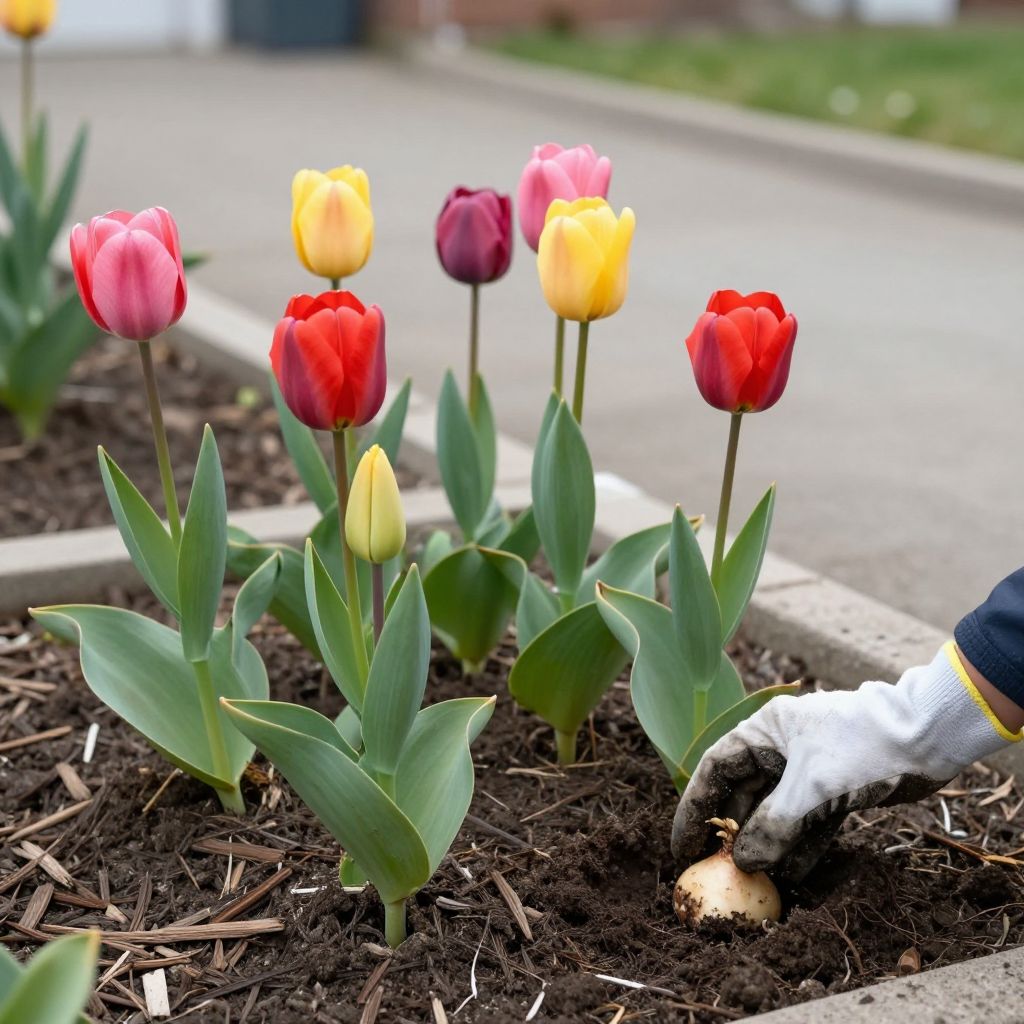
Are tulips perennials or annuals? The short answer is: tulips are botanically perennial bulbs, but in many gardens they behave more like short-lived annuals. Whether they come back well depends on your climate, soil drainage, summer heat, and how much energy the bulb can store after flowering.
If you want tulips to return reliably, the key is to grow them in conditions that let the bulb recharge. In the right spot, some varieties can naturalize and bloom for years; in others, it’s more realistic to replant them each fall for the best display.
Are tulips perennials or annuals?
Tulips are perennial bulbs, meaning the same bulb can bloom again in later years. In practice, many tulips decline after one season because they need cool winters, excellent drainage, and enough post-bloom foliage time to rebuild the bulb. In warm or wet conditions, gardeners often treat them as annuals.
Why tulips often act like annuals in home gardens
Tulips are native to regions with cold winters, dry summers, and well-drained soils. Many modern garden tulips have been bred for large flowers and strong first-year performance, not necessarily for long-term persistence.
That means a tulip may bloom beautifully the first spring, then produce fewer flowers, smaller blooms, or only leaves the next year. This is especially common when the bulb is exhausted after flowering or rots in heavy soil.
Main reasons tulips fail to return well
- Poor drainage that causes bulb rot.
- Hot, wet summers that weaken the bulb.
- Removing foliage too early, which stops the bulb from recharging.
- Too much shade, leading to weak flowering.
- Overcrowding as bulbs multiply and compete for space.
- Unsuitable varieties that are not long-lived in your climate.
How to get tulips to come back year after year
If you want tulips to behave more like true perennials, focus on bulb health from planting through summer. Good site selection matters more than frequent fertilizing or extra watering.
1. Choose the right location
- Full sun is best, especially in spring.
- Light afternoon shade can help in warmer climates.
- Avoid low spots where water collects after rain.
- Plant near shrubs or perennials that won’t block spring light.
2. Plant in well-drained soil
Tulips dislike soggy ground. If your soil is heavy clay, improve it before planting by mixing in compost and, if needed, growing bulbs in raised beds or containers with drainage holes.
A loose, fertile soil with moderate moisture is ideal. The goal is to keep roots moist in spring but dry enough in summer to prevent rot.
3. Plant at the proper depth
As a general rule, plant tulip bulbs about 6 to 8 inches deep, measured from the base of the bulb to the soil surface. Space them roughly 4 to 6 inches apart, unless your bulb package gives a different recommendation.
Planting too shallow can expose bulbs to temperature swings and pests. Planting too deep can delay emergence and reduce flowering.
4. Water wisely
Water bulbs after planting to settle the soil. After that, tulips usually need little extra water in cool, rainy climates. In dry spring weather, water when the top few inches of soil dry out, but avoid keeping the bed constantly wet.
Once foliage yellows and dies back, reduce watering. Tulip bulbs prefer a drier summer rest.
5. Let the leaves feed the bulb
After blooms fade, leave the foliage in place until it turns yellow naturally. The leaves are producing energy that the bulb stores for next year’s flower.
Do not braid, tie, or cut the leaves early. That common mistake is one of the biggest reasons tulips fail to rebloom.
Best tulip types if you want repeat bloom
Some tulips are more likely to return than others. If your goal is a long-term planting, look for types known for better persistence rather than only for oversized flowers.
Types that often perform better
- Species tulips and botanical tulips, which are usually smaller but more perennial in the right site.
- Darwin hybrids, which are often stronger and more likely to rebloom than many showy types.
- Fosteriana tulips, valued for early bloom and good garden vigor.
Types that may be shorter-lived
- Very large, highly bred show tulips.
- Some double-flowered forms.
- Late-season specialty types in warm or wet gardens.
This does not mean these tulips cannot return at all. It simply means their long-term performance is less dependable, especially outside ideal conditions.
Should you lift tulip bulbs after flowering?
In many gardens, tulips can stay in the ground if the soil drains well and summers are dry enough. In wet climates or heavy soil, lifting and storing bulbs after the foliage dies back can help prevent rot.
When to lift bulbs
Wait until the leaves have yellowed and dried naturally. That usually means the bulb has finished recharging. Dig too early, and you may weaken next year’s bloom.
How to lift and store them
- Use a garden fork or small spade to loosen soil around the bulbs.
- Lift bulbs carefully to avoid cuts and bruises.
- Brush off excess soil and discard damaged or soft bulbs.
- Let them dry in a shaded, airy place for a few days.
- Store in a cool, dry, well-ventilated spot until replanting time.
Never store bulbs in sealed plastic bags. Trapped moisture encourages mold and rot.
What to do after tulips bloom
Post-bloom care is one of the most important parts of tulip maintenance. A little attention after flowering can make the difference between a one-time display and a return show next spring.
Deadheading and seed production
Remove spent flowers once the petals fall, but leave the stem and leaves. Deadheading prevents the plant from putting energy into seed formation, which helps the bulb conserve resources.
Cut the flower head off cleanly, but keep the foliage intact until it fades naturally.
Feeding tulips
If your soil is poor, a light application of compost in fall or a balanced bulb fertilizer at planting time can support root growth. Avoid overfeeding with high-nitrogen products, which can push leafy growth at the expense of flowers.
In many established beds, healthy soil and good drainage matter more than heavy feeding.
Common tulip problems and how to fix them
Tulips bloom once, then disappear
This usually means the bulb was too stressed to recharge. Improve drainage, leave foliage longer, and consider switching to more perennial tulip types.
Lots of leaves, few flowers
Possible causes include too much shade, planting too shallow, overcrowding, or foliage being removed too soon. Move bulbs to a sunnier site and let leaves mature naturally.
Bulbs rot in the ground
Rot is usually caused by wet soil. Raise the bed, add organic matter to improve structure, or replant in containers with a free-draining mix.
Animals dig up bulbs
Squirrels, voles, and other pests may disturb newly planted bulbs. Try planting deeper, covering the bed with wire mesh until the ground freezes, or using containers and protected beds where needed.
Can tulips be grown in containers?
Yes. Containers are a good option if your garden soil is too heavy or if you want more control over drainage. Use a pot with drainage holes and a quality potting mix that drains freely.
Container-grown tulips often need a bit more water than in-ground bulbs because pots dry out faster. At the same time, you should never let them sit in water.
Container tips
- Choose a pot deep enough for the bulbs and root space.
- Plant bulbs close together for a fuller display, but not touching.
- Protect pots from severe winter exposure if your climate is very cold.
- After bloom, allow the foliage to die back before emptying or replanting the pot.
Are tulips annuals if you replant them every year?
Gardeners often treat tulips as annuals by planting fresh bulbs each fall and replacing them after bloom. This is a practical approach when you want large, reliable flowers every spring and do not want to gamble on rebloom.
It is not wrong to grow tulips this way. In fact, in some climates it is the simplest way to get the strongest display.
Simple answer: perennial by nature, annual in practice?
Yes. Tulips are perennial bulbs, but many of the tulips sold for home gardens perform best for one strong season and then weaken. If you want repeat bloom, choose a good site, plant deeply in well-drained soil, and let the foliage mature. If you want guaranteed spring color, replanting each fall is often the most dependable method.
For more bulb-growing guidance, you may also want to read about how to plant spring bulbs for better bloom and common bulb-care mistakes to avoid.