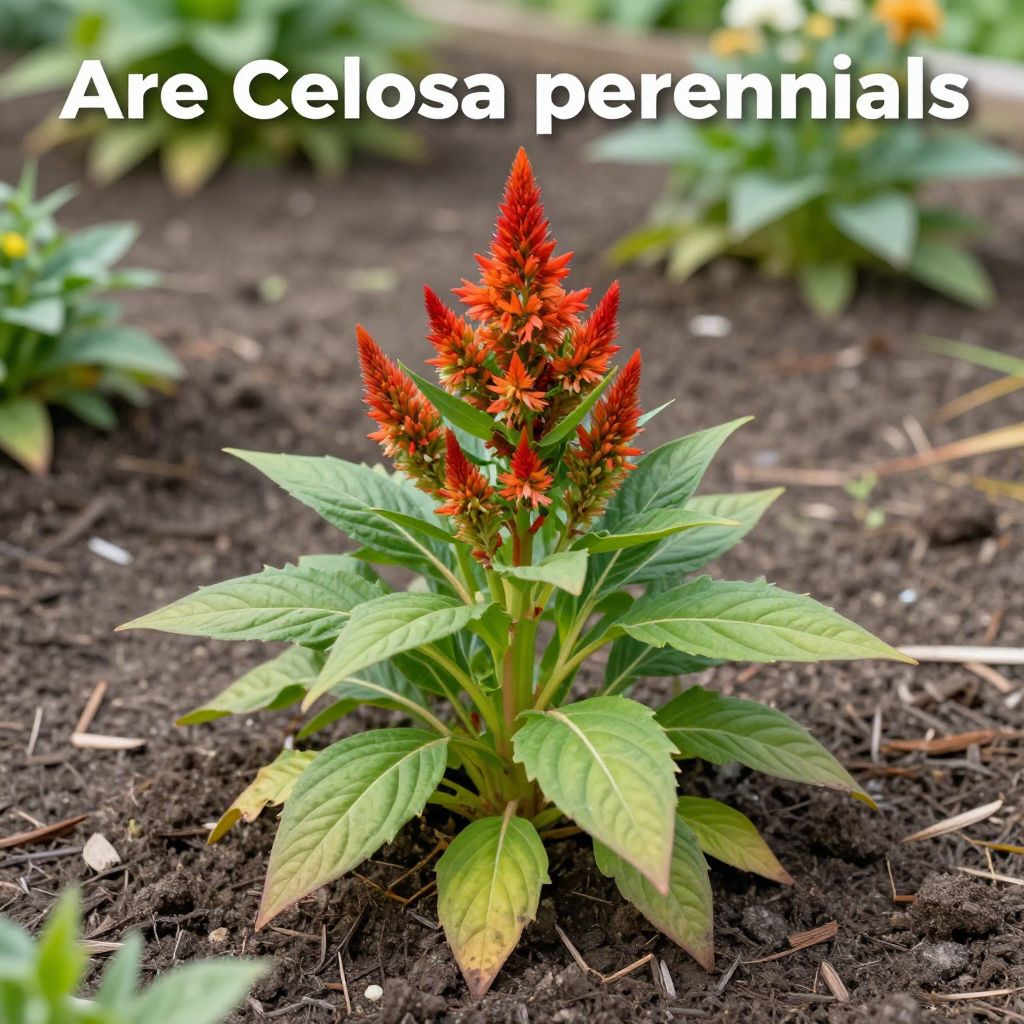
Are celosia perennials? It depends on your climate and how you grow them. In frost-free areas, celosia can behave like a short-lived perennial, but in most gardens it is grown as an annual because cold temperatures quickly kill it.
If you want celosia to return year after year, the key is understanding its frost sensitivity, growing conditions, and whether you can overwinter it indoors or let it reseed. Here’s how to get the most from this bright, heat-loving plant.
Are celosia perennials?
Celosia is usually treated as an annual, not a true perennial, in temperate gardens. In warm, frost-free climates it may live longer, but even then it is often short-lived. The plant is very sensitive to cold, so winter temperatures usually determine whether it survives from one season to the next.
What celosia is and why it behaves this way
Celosia, commonly called cockscomb or plume flower, is a warm-season ornamental grown for its vivid, long-lasting flower heads. It thrives in heat and full sun, but it does not tolerate frost or chilly soil well.
That means the answer to are celosia perennials is usually “not in most gardens.” Botanically, they are tender plants that may persist only where winters stay mild enough to avoid freezing.
Annual vs. perennial growth habit
- Annual in cold climates: Planted after frost and removed by winter cold.
- Short-lived perennial in warm climates: May survive longer where freezes do not occur.
- Often self-seeding: Some plants return from dropped seed rather than from the original root system.
How climate affects whether celosia comes back
Celosia’s survival depends mostly on temperature. A light frost can damage or kill the plant, and repeated cold nights weaken it quickly. In regions with true winters, it is best grown as a seasonal bedding plant.
In frost-free or nearly frost-free areas, celosia may continue growing for more than one season if it stays healthy and is not stressed by soggy soil or extreme cold. Even then, it may not be long-lived enough to count on like a hardy perennial.
What to expect in different climates
- Cold winter regions: Treat celosia as an annual.
- Mild coastal or subtropical regions: It may survive longer outdoors.
- Containers: Easier to move indoors before frost if you want to try overwintering.
Best growing conditions for healthy celosia
Celosia grows best when you give it warmth, sun, and excellent drainage. If you want strong growth and more flowers, focus on the site first. A stressed plant is less likely to survive beyond one season.
Sunlight
Plant celosia in full sun for the best flowering. In very hot climates, a little afternoon shade can help prevent stress, but too much shade leads to weak stems and fewer blooms.
Soil
Use loose, fertile soil that drains well. Celosia dislikes heavy, waterlogged ground, which can lead to root problems and poor growth. If your soil is clay-heavy, mix in compost to improve structure, but do not make it overly rich or soggy.
Water
Water young plants regularly until established, then keep the soil evenly moist but not wet. Let the top layer of soil dry slightly between waterings. Overwatering is one of the most common mistakes with celosia.
Temperature
Celosia performs best in warm weather and should be planted outdoors only after frost danger has passed. Cold soil slows growth, and cool nights can stunt plants even if they do not freeze.
How to plant celosia for the best chance of return
If you want your celosia to last as long as possible, start with strong plants and give them the right conditions from the beginning. Healthy plants are more likely to bloom heavily and, in mild climates, survive longer.
- Choose a sunny location with well-drained soil.
- Work in compost if the soil is poor or compacted.
- Set plants out after the last frost in your area.
- Space them so air can move around the foliage.
- Water deeply after planting, then monitor moisture closely.
If you grow celosia in pots, use a container with drainage holes and a quality potting mix. Containers dry out faster than garden beds, so they need closer attention during hot weather.
Can you overwinter celosia indoors?
Yes, you can try overwintering celosia indoors, but success is not guaranteed. It is more practical for container-grown plants than for those in the ground. Indoors, the plant needs bright light and careful watering to avoid decline.
How to overwinter celosia in a pot
- Move the plant indoors before the first frost.
- Place it in the brightest window you have, or under a grow light.
- Reduce watering so the soil stays lightly moist, not wet.
- Check for pests before bringing it inside.
- Remove faded flowers and weak growth to keep the plant tidy.
Indoors, celosia often struggles with lower light and dry air. If it starts to stretch, yellow, or drop leaves, it may be better to take cuttings or save seed rather than expect the original plant to thrive all winter.
Propagation: the easiest way to “bring back” celosia
For many gardeners, the simplest way to get celosia again next year is by saving seed. Some varieties also self-seed if seed heads are left in place, though the seedlings may not look exactly like the parent plant.
Saving seed
Allow a few flower heads to mature and dry on the plant. When the heads are fully dry, collect the seed carefully and store it in a cool, dry place. Sow it indoors after your local frost dates if you want to start new plants.
Self-seeding
In warm climates, celosia may drop seed and return on its own. This can be helpful, but it is less predictable than starting fresh seed under controlled conditions.
Pruning and deadheading for more flowers
Regular grooming helps celosia stay attractive and can extend blooming. Removing spent flowers may encourage the plant to keep producing new growth instead of putting energy into seed.
- Pinch young plants lightly to encourage bushier growth.
- Deadhead faded blooms if you want longer flowering.
- Cut back damaged or weak stems to improve appearance.
If your goal is seed saving, leave some flower heads in place at the end of the season. If your goal is maximum bloom, keep deadheading until the plant naturally slows down.
Common problems that shorten celosia’s life
Celosia is not difficult, but a few issues can make it decline quickly. Most problems are tied to too much moisture, too little sun, or cold weather.
Root rot and yellowing
Waterlogged soil can cause roots to suffocate and rot. Leaves may yellow, growth may stall, and the plant may collapse. Improve drainage and reduce watering if this happens.
Leggy growth
Plants that stretch and flop are usually not getting enough light. Move them to a sunnier spot and avoid overfeeding with high-nitrogen fertilizer, which can push leafy growth instead of flowers.
Pests
Celosia is usually not heavily bothered by pests, but aphids, spider mites, and whiteflies can appear, especially on stressed plants. Inspect the undersides of leaves and rinse small infestations off with water before they spread.
Fungal issues
Poor air circulation and wet foliage can encourage leaf spots or mildew-like problems. Water at the base of the plant and space plants properly to help leaves dry faster after rain or irrigation.
Best uses in the garden
Celosia is valued for bold color and unusual texture. It works well in borders, containers, and mixed beds where you want a long-lasting summer display.
- Container plantings: Great for patios and entryways.
- Mixed annual beds: Pairs well with other heat-loving flowers.
- Cut flowers: Many types hold color well indoors.
- Pollinator-friendly spaces: Flowers can attract bees and other beneficial insects.
What to do if you want celosia to return next year
If you are asking, “Are celosia perennials?” the practical answer is to plan as if they are not, unless you garden in a frost-free climate. That way you will not be disappointed if winter kills them.
To improve your chances of seeing them again, choose one of these approaches: grow them in pots and overwinter indoors, let a few plants go to seed, or simply collect seed and replant in spring. For most gardeners, that is the most reliable method.
Conclusion
Celosia is usually grown as an annual, but in warm, frost-free conditions it may behave like a short-lived perennial. Give it sun, warmth, and well-drained soil, and it will reward you with bright blooms for the season.
If you want to keep it going, save seed or try overwintering a container plant indoors before frost arrives. For more seasonal plant care ideas, you may also want to read about celosia growing tips and celosia plant care.