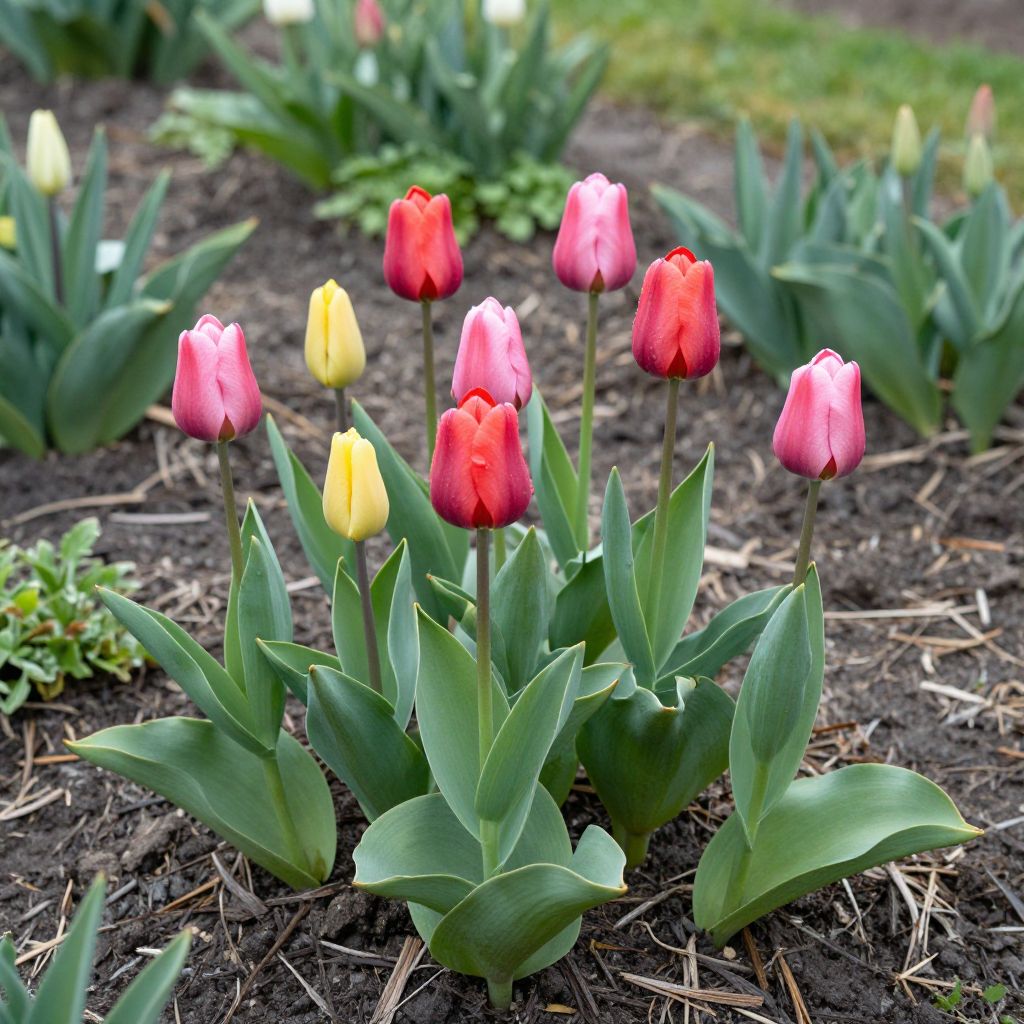
Are tulips in season right now? The answer depends on your climate and whether you mean cut flowers or garden blooms. Tulips are spring bulbs, so they are usually in season outdoors in late winter to spring, but timing shifts with temperature, altitude, and local weather.
If your tulips are not blooming yet, they may still be developing underground. If they are already flowering, the main job is to keep them healthy while the foliage feeds next year’s bulb.
Are tulips in season right now?
Tulips are typically in season in spring, with blooms appearing from late winter in mild areas to late spring in colder regions. In warm climates, they may need pre-chilling to bloom well. For cut flowers, tulips are often available from florists and stores earlier than garden tulips open outdoors.
When tulips bloom and why timing varies
Tulips are spring-flowering bulbs that need a cold period before they bloom. That chilling requirement is why they perform best in regions with a real winter or where bulbs are refrigerated before planting.
What affects bloom time
- Climate: Colder areas bloom later than mild areas.
- Variety: Early, midseason, and late tulips flower at different times.
- Planting depth and soil temperature: Shallow planting or warm soil can change timing.
- Sun exposure: More sun usually means stronger stems and better flowering.
If you are checking your garden calendar and wondering whether tulips should be open yet, look at local spring conditions rather than the calendar alone. A warm spell can push blooms early, while a cold snap can delay them by weeks.
How to tell if your tulips are ready to bloom
Before the flowers open, tulip shoots usually emerge as narrow green or reddish leaves. A firm stem with a visible bud means flowering is close. If the foliage is up but no bud is visible, the bulb may still be building energy or may have been planted too shallowly or in too much shade.
Signs your tulips are on schedule
- Leaves are upright and healthy, not yellowing early.
- Stems are sturdy rather than floppy.
- Buds are forming and swelling at the top of the stem.
- Soil is moist but not waterlogged.
Signs something is off
- Leaves emerge but no flower bud develops.
- Stems stretch and lean toward light.
- Plants rot or collapse in wet soil.
- Flowers are small, distorted, or fail to open.
Best growing conditions for tulips
Tulips do best in full sun, well-drained soil, and a cool dormant season. They are not long-lived in soggy ground, so drainage matters more than rich soil alone.
Soil and drainage
Use loose, well-drained soil with compost mixed in lightly. Heavy clay can be improved with organic matter, but if water sits around the bulbs, rot becomes a real risk. Raised beds and sloped sites often work better than low, wet spots.
Sunlight
Give tulips at least 6 hours of direct sun when possible. They can bloom in partial sun, but flowers may be smaller and stems weaker. In hot climates, morning sun and some afternoon shade can help the blooms last longer.
Watering
Water after planting and during active growth if rainfall is lacking. Once tulips are blooming, keep the soil evenly moist, not saturated. After flowering, reduce watering as the foliage yellows and the bulbs go dormant.
What to do when tulips are blooming now
If your tulips are in season right now and flowering, focus on protecting the blooms and supporting the bulb for next year. The flowers are temporary, but the leaves are doing important work.
- Deadhead spent flowers by removing only the faded bloom head.
- Leave the leaves and stem in place until they yellow naturally.
- Water lightly during dry spells while foliage is still green.
- Avoid heavy feeding unless your soil is poor; compost is usually enough.
Do not cut the foliage too early. The leaves help the bulb store energy for next spring’s bloom. If you remove them while they are still green, the bulb may weaken and flower poorly later.
Cutting tulips for indoor display
If you are harvesting tulips for a vase, cut stems when the buds are colored but still closed. Use a clean, sharp knife or pruners and place stems in cool water right away. Tulips continue to move and open after cutting, so they often look best for several days indoors.
Planting tulips for future seasons
If you want tulips in season next spring, fall planting is the main task. In most climates, bulbs are planted when soil has cooled but before the ground freezes hard.
Simple planting checklist
- Choose firm, healthy bulbs with no mold or soft spots.
- Plant in well-drained soil in full sun.
- Set bulbs about 2 to 3 times as deep as the bulb is tall.
- Space them so air can move between bulbs.
- Water after planting, then let normal rainfall do the rest unless conditions are dry.
In warmer regions, bulbs may need pre-chilling before planting to mimic winter. If you garden where winters are mild, check local extension guidance or bulb supplier recommendations for chilling time, because tulips may not bloom reliably without it.
Common tulip problems and how to fix them
No flowers
If tulips produce leaves but no blooms, the most common causes are insufficient chill, too much shade, or poor bulb quality. Bulbs that have bloomed heavily in previous years can also decline.
Fix it by moving future plantings to a sunnier, better-drained spot and choosing varieties known to perform well in your climate.
Short or floppy stems
Weak stems often happen in low light or rich, soft soil. Excess nitrogen can also encourage leafy growth at the expense of flowers.
Give tulips more sun and avoid overfertilizing. In windy sites, planting slightly deeper can help support the stems.
Bulb rot
Rot is usually caused by wet soil, poor drainage, or damaged bulbs. The bulb may feel soft, and the plant may collapse before or after sprouting.
Improve drainage before replanting and avoid using the same waterlogged area year after year.
Pests
Deer, rabbits, squirrels, and rodents may dig up or nibble tulips. In some gardens, slugs or aphids can also be an issue.
- Use wire mesh or bulb cages where digging animals are a problem.
- Plant bulbs deeper in well-drained soil when appropriate.
- Inspect leaves and buds regularly for chewing or sticky residue.
Can tulips come back every year?
Some tulips return well, but many garden tulips are treated as short-lived perennials. They often bloom best the first year and then weaken over time, especially in warm climates or heavy soil.
If you want reliable repeat bloom, choose varieties suited to your area, give them excellent drainage, and let the foliage die back naturally each year. In many gardens, replanting fresh bulbs every fall gives the most dependable display.
Practical maintenance after bloom
After flowering, the goal is to let the bulb recharge. This stage matters just as much as the bloom itself.
- Remove faded flowers to prevent seed formation.
- Keep leaves on the plant until they turn yellow.
- Stop watering once the foliage has mostly died back.
- Mark the planting spot so you do not disturb dormant bulbs later.
If you lift bulbs after the foliage dies, store them in a cool, dry, airy place and replant in fall. In many gardens, though, leaving them in place is simpler if drainage is good and rodents are not a major problem.
Quick answer for gardeners asking today
If you are asking “Are tulips in season right now?” the most practical answer is this: tulips are in season when your local spring weather is cool enough for buds and blooms, usually from late winter through spring. Check the stems in your garden, watch for colored buds, and adjust care to your climate rather than the calendar alone.
For more seasonal bulb advice, you may also want to read about spring bulb care and how to plant flower bulbs.