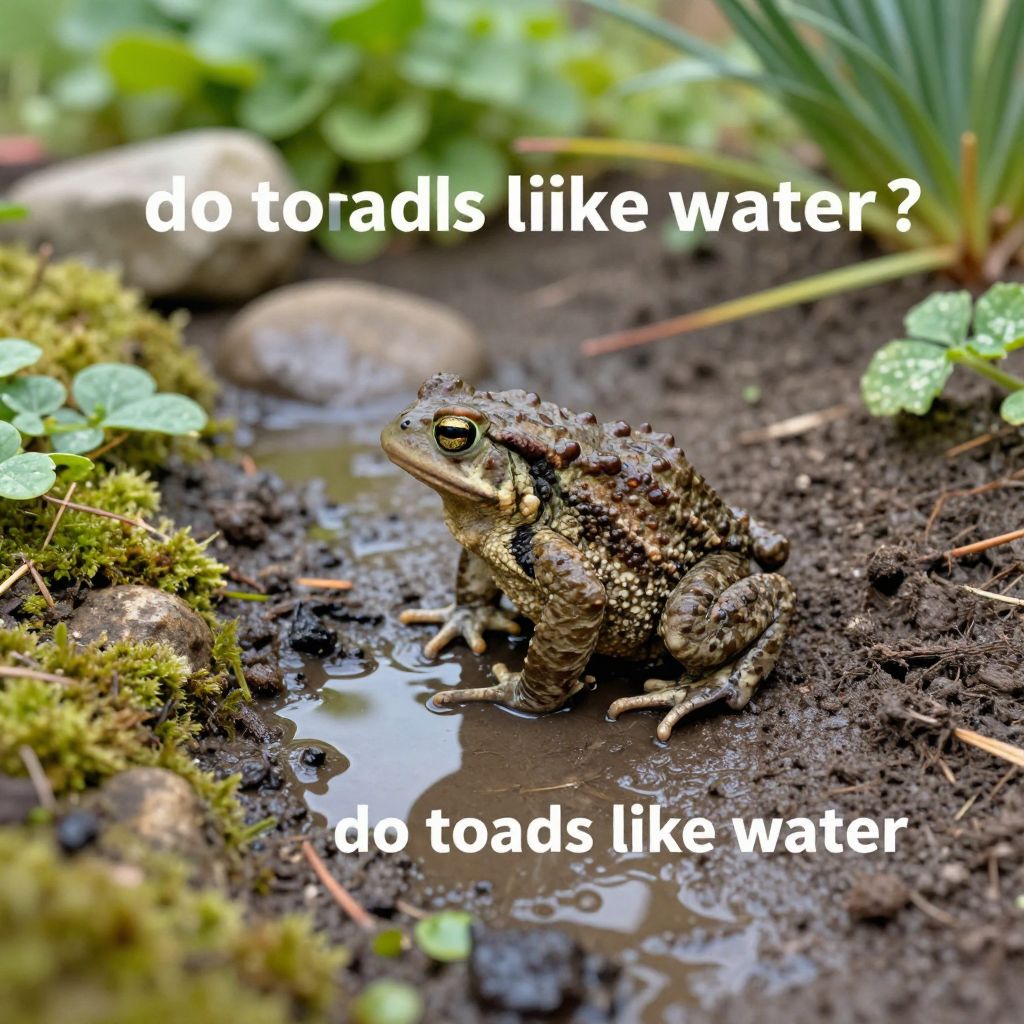
Do toads like water? Yes, but not in the same way frogs do. Toads need moisture to keep their skin healthy, stay hydrated, and breed, but they usually prefer damp, sheltered places rather than sitting in open water for long periods.
If you want to support toads in your garden, the goal is to provide shallow water, moist hiding spots, and chemical-free habitat. A toad-friendly garden can also help with slugs and other soft-bodied pests, while giving these useful amphibians a safe place to live.
Do toads like water?
Toads do like water, but they mostly need moisture, not deep water. They absorb water through their skin and often rest in damp soil, leaf litter, or under plant cover. Shallow water helps them drink, cool off, and breed, but they can become stressed in deep, steep-sided ponds where they cannot easily get out.
What kind of water habitat do toads prefer?
Toads usually prefer a garden with a mix of damp shelter and very shallow water access. Think of them as animals that want a moist base camp, not a permanent swimming pool.
Best water features for toads
- Shallow edges where they can enter and leave easily.
- Gentle slopes or rough stones to prevent trapping.
- Still or slow-moving water rather than strong fountains or waterfalls.
- Nearby cover such as shrubs, rocks, logs, or dense plants.
A small wildlife pond can work well if it has at least one shallow margin and no steep drop-offs. Even a saucer, birdbath-style basin at ground level, or a muddy corner can be useful if it is safe and refreshed regularly.
What to avoid
- Deep containers with smooth sides.
- Chlorinated or chemically treated water.
- Constant disturbance from pumps, pets, or foot traffic.
- Pond liners without an exit ramp or planted shelf.
How to make your garden toad-friendly
Toads thrive where water, shelter, and food are all close together. If you want them to visit and stay, build a habitat that feels cool, damp, and safe during the day.
1. Add shallow water access
Use a low, wide water dish, a shallow pond shelf, or a natural depression that holds rainwater briefly. The water should be no deeper than necessary for drinking and soaking.
For a container setup, choose a wide basin with sloping stones or a rough surface that lets a toad climb out easily. Change the water often so it stays clean and does not become stagnant.
2. Keep the surrounding soil moist, not soggy
Toads like damp ground, especially in warm weather, but waterlogged soil can become unhealthy for both the garden and the amphibians. Aim for soil that feels cool and slightly moist under mulch.
Mulch with leaf litter, shredded bark, or composted organic matter to help the soil retain moisture. Avoid thick, compacted mulch layers that stay slimy or anaerobic.
3. Provide hiding places
Toads spend much of the day hidden. They need shaded shelter where they can rest during heat and avoid predators.
- Flat stones or pavers lifted slightly off the soil.
- Logs, branches, or brush piles.
- Dense groundcovers and low shrubs.
- Leaf piles left in quiet corners.
These features also help keep the garden cooler and more humid, which is especially useful in dry climates or during summer heat waves.
4. Grow plants that create cover
Plants that arch, spread, or form low thickets give toads the shade and security they need. Native plants are often the best choice because they support insects too, which means more food for the toads.
Good planting areas include the edges of ponds, under hedges, and along shaded borders. Choose plants suited to your local light levels and soil moisture rather than forcing moisture-loving plants into dry, sunny spots.
Do toads need a pond to survive?
No, a pond is helpful but not essential. Toads can live in gardens without permanent water if they have damp shelter, access to insects, and safe places to breed nearby. However, a small pond or water feature often increases the chances that toads will use your garden regularly.
If you do add a pond, keep it wildlife-friendly. Avoid fish if your goal is to support amphibians, because fish may eat eggs or tadpoles and can compete for food.
Seasonal care: how water needs change through the year
Toads use water differently depending on season, temperature, and rainfall. Your garden care should reflect that.
In hot, dry weather
- Keep shaded areas moist with light watering if needed.
- Refresh shallow water more often.
- Leave some leaf litter and mulch in place.
- Reduce soil disturbance around hiding spots.
In drought, a toad may stay hidden for long periods and emerge at night. Moist shelter becomes more important than open water at this time.
In rainy periods
- Check that water features do not overflow into deep puddles with no exit.
- Make sure containers are not filling with debris.
- Watch for waterlogging around plant roots and adjust drainage if needed.
Too much standing water in the wrong place can attract mosquitoes and create muddy, unhealthy conditions. The best toad habitat stays damp, but still drains well.
During breeding season
When conditions are right, toads may gather near water to breed. They need shallow, quiet water with gentle margins. If you notice eggs or tadpoles, avoid cleaning the pond aggressively or adding treatments.
Let the water settle naturally unless debris is causing a problem. Disturbing breeding sites can interrupt the lifecycle.
Common problems and how to fix them
Even a good habitat can go wrong if the water feature is too deep, too clean, or too exposed. Here are the most common issues gardeners run into.
Problem: Toads avoid the water feature
This often means the water is unsafe or the surrounding area lacks cover. Toads may also avoid bright, exposed spots.
Fix: Add shade, shallow edges, and nearby shelter. Reduce disturbance and make sure the area is cool and quiet.
Problem: Water becomes stagnant
Stagnant water can smell bad and attract pests. It can also become unsuitable for wildlife.
Fix: Use a smaller basin, refresh water regularly, or improve circulation gently if you are using a pond. Remove decaying leaves and debris before they build up.
Problem: The area dries out too quickly
Sunny, windy gardens can lose moisture fast, especially in raised beds and sandy soil.
Fix: Increase mulch depth, add more shade plants, and group water features near shelter. If needed, water the surrounding soil lightly in dry spells rather than soaking it deeply.
Problem: Pets or predators disturb the habitat
Dogs, cats, and some birds can make a toad habitat feel unsafe.
Fix: Place water and shelter in a quieter part of the garden, use dense planting, and avoid open, exposed layouts.
Can you help toads without harming your garden?
Yes. In fact, a toad-friendly garden often supports healthier plantings because toads eat many garden pests. The key is to balance moisture with good drainage so your plants do not suffer while the wildlife habitat stays usable.
Good garden practices for toads
- Use compost to improve soil structure and moisture retention.
- Mulch around plants to reduce evaporation.
- Water early in the day when possible so foliage dries before night.
- Avoid pesticides and slug baits that can harm amphibians.
- Keep one or two undisturbed corners of the garden wild enough for shelter.
If you already have a productive vegetable patch, a toad can be a useful nighttime visitor. Give it a damp refuge near the edges, not in the middle of frequently worked beds.
Simple setup checklist for a toad-friendly garden
- Choose a shaded or partly shaded spot.
- Add a shallow water source with easy exit points.
- Surround it with leaf litter, mulch, or low plants.
- Include logs, stones, or brush for daytime shelter.
- Keep the area free of pesticides and harsh chemicals.
- Check moisture regularly during hot or dry weather.
Conclusion
So, do toads like water? Yes, but they like shallow, clean, accessible water and a moist garden more than a deep pond. If you want to attract them, focus on damp soil, shelter, and safe water edges. Start by improving one quiet corner of your garden, and you may soon create a habitat toads will actually use.
For more wildlife-friendly garden ideas, you may also want to read about creating a garden pond for beneficial wildlife and mulching techniques that help soil stay moist.