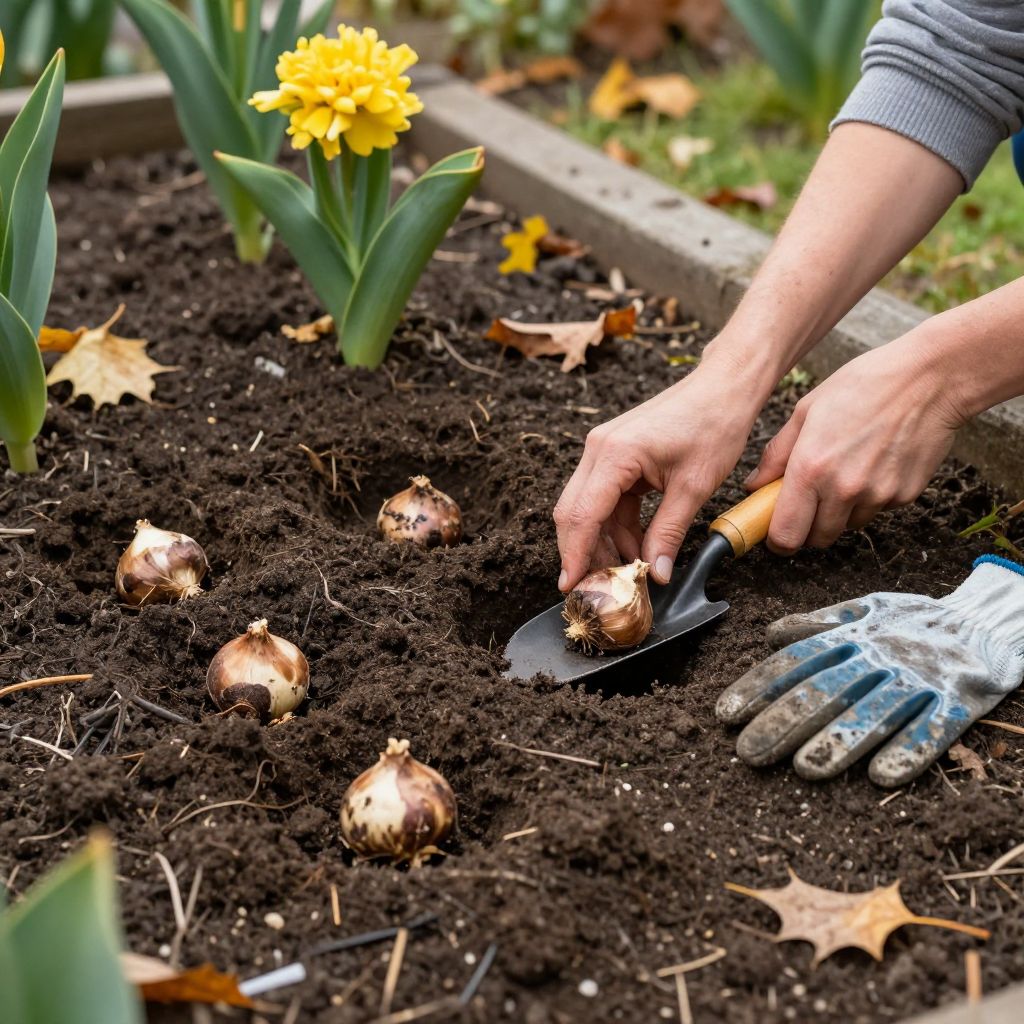
When is the best time to plant tulips? For most gardeners, the answer is autumn, after the soil has cooled but before the ground freezes. That timing gives tulip bulbs the cold period they need to form roots and prepare for spring bloom.
If you plant too early in warm soil, bulbs may sprout too soon or struggle with disease. Plant too late, and they may not root well before winter. The best planting window depends on your climate, but the goal is always the same: cool soil, good drainage, and enough time for roots to establish.
When is the best time to plant tulips?
The best time to plant tulips is in fall, usually when nighttime temperatures are consistently cool and the soil has dropped below about 60°F (15°C). In many regions, that means roughly 6 to 8 weeks before the ground freezes. Tulips need a cold period to bloom well, so fall planting is ideal for outdoor bulbs.
Why fall planting matters
Tulips are spring-flowering bulbs that need a period of cold dormancy. Planting in fall allows the bulb to develop roots before winter, then rest until spring growth begins.
If you plant in spring, the bulbs usually will not perform well outdoors because they have missed the chilling period they need. In warm climates, gardeners often buy pre-chilled bulbs or treat tulips as temporary seasonal displays.
What the bulb is doing underground
- Fall: roots form while the soil is cool.
- Winter: the bulb stays dormant and receives chilling.
- Spring: shoots emerge and flowers develop.
How to time tulip planting by climate
Because local weather varies, use soil temperature and frost timing rather than the calendar alone. Tulips are more likely to establish well when planted after the heat of summer but before hard freezes.
Cooler climates
In colder regions, tulips are often planted from early fall through mid-fall. If your area gets an early freeze, plant earlier so roots can form before the ground hardens.
Mild-winter climates
In areas with mild winters, tulips may need pre-chilled bulbs to bloom reliably. Plant in late fall or early winter once temperatures are cool enough, and choose a spot with excellent drainage.
Warm climates
If winters are too mild for adequate chilling, tulips may bloom poorly or not at all outdoors. In those regions, gardeners often treat tulips as annuals, buying pre-chilled bulbs and planting them in late fall for one season of flowers.
How to plant tulip bulbs correctly
Good planting technique matters as much as timing. Tulip bulbs need loose, well-drained soil and the right depth to protect them from temperature swings and rot.
- Choose a sunny site with at least 6 hours of direct sun.
- Loosen the soil and remove rocks, weeds, and old roots.
- Improve heavy soil with compost if needed, but avoid making it soggy.
- Plant bulbs pointed end up, about 6 to 8 inches deep, or roughly 2 to 3 times the bulb’s height.
- Space bulbs a few inches apart so they have room to grow.
- Water once after planting to settle the soil, then let rainfall do the rest unless conditions are very dry.
Drainage is critical
Tulips dislike wet feet. Bulbs left in poorly drained soil are prone to rot, especially in winter. If your garden soil stays wet, plant in raised beds, containers, or a better-drained border.
Soil, compost, and site selection
Tulips grow best in fertile, well-drained soil with a neutral to slightly acidic pH. They do not need rich soil, but they do benefit from a loose texture that allows roots to spread easily.
If your soil is heavy clay, work in compost to improve structure, not to create a deep pocket of moisture around the bulb. A small amount of compost mixed through the planting area is helpful, but avoid adding fresh manure or overly rich amendments directly into the bulb hole.
Best planting spots
- Full sun or light afternoon shade in warmer regions
- Slopes or raised beds with better drainage
- Areas protected from standing water
- Spaces where spring flowers can be seen from windows or paths
Watering tulips after planting
Water tulip bulbs once after planting if the soil is dry. After that, autumn rain is usually enough in many climates. Overwatering in fall is a common mistake because it can encourage rot before the ground cools.
In spring, water only if the soil becomes dry during active growth. Tulips usually do best with moderate moisture, not constant wetness.
Sunlight and temperature needs
Tulips bloom best with full sun, especially in cooler climates. In warmer areas, a site with morning sun and some afternoon shade can help the flowers last longer.
Cool soil is part of the timing equation too. Planting after summer heat has passed helps bulbs root without being stressed by high temperatures.
What to avoid when planting tulips
Several common mistakes can reduce flowering or cause bulbs to fail. Avoiding them is often the difference between a good spring display and disappointment.
- Planting too early: warm soil can trigger premature growth.
- Planting too late: bulbs may not root before freeze-up.
- Choosing soggy ground: wet soil encourages bulb rot.
- Shallow planting: bulbs may heave out of the soil in winter.
- Overcrowding: bulbs need space for air circulation and root growth.
How to care for tulips after they bloom
Once tulips flower, remove spent blooms so the plant does not waste energy making seed. Leave the foliage in place until it yellows naturally, because the leaves feed the bulb for next year’s growth.
Do not tie, braid, or cut green leaves too early. If you want tulips to return, that post-bloom leaf period is important.
Should you lift bulbs after flowering?
In some gardens, tulips return for several years. In others, especially in warm or wet conditions, they perform better if replanted each fall. If bulbs decline, lift and store them only after the foliage has died back and the bulb has had time to recharge.
Pests and diseases to watch for
Tulips can be affected by rodents, deer, bulb rot, and fungal problems. Planting at the right time and in the right soil helps reduce many of these issues.
- Rodents: squirrels, voles, and mice may dig up bulbs; use wire mesh or bulb cages if needed.
- Deer: tulips are often attractive to deer; fencing or repellents may help.
- Bulb rot: usually linked to wet soil or poor drainage.
- Botrytis and other fungal diseases: more likely in crowded, damp plantings.
If bulbs fail to emerge in spring, inspect the planting area for rot, digging damage, or overly wet soil. Healthy bulbs should feel firm, not soft or mushy.
Can you plant tulips in containers?
Yes. Containers are a good option if your garden soil drains poorly or if you want tulips near a patio or entryway. Use a pot with drainage holes and a free-draining potting mix.
Plant bulbs more densely in containers than in beds, but still avoid crowding them tightly against one another. In cold climates, containers may need winter protection because pots freeze faster than garden soil.
Container care basics
- Use a deep pot so bulbs can be planted at proper depth.
- Keep the mix lightly moist after planting, not soggy.
- Place the pot where it gets winter chill but is protected from extreme exposure if needed.
- Move the container into sun when shoots begin in spring.
Simple seasonal checklist for tulip success
If you want the easiest way to remember tulip timing, follow this seasonal rhythm:
- Late summer: choose your site and improve drainage if needed.
- Early to mid fall: plant bulbs when the soil has cooled.
- After planting: water once, then leave them alone unless the soil is very dry.
- Spring: enjoy blooms, deadhead spent flowers, and let leaves die back naturally.
Final takeaways
When is the best time to plant tulips? For most gardeners, it is fall, once the soil has cooled and before hard frost. Focus on drainage, planting depth, and your local climate rather than a fixed calendar date.
If you are planning a spring display, mark your calendar now, choose a sunny well-drained spot, and plant your bulbs at the right autumn window. For more bulb-growing help, you may also want to read about how to plant spring bulbs and container gardening for seasonal flowers.