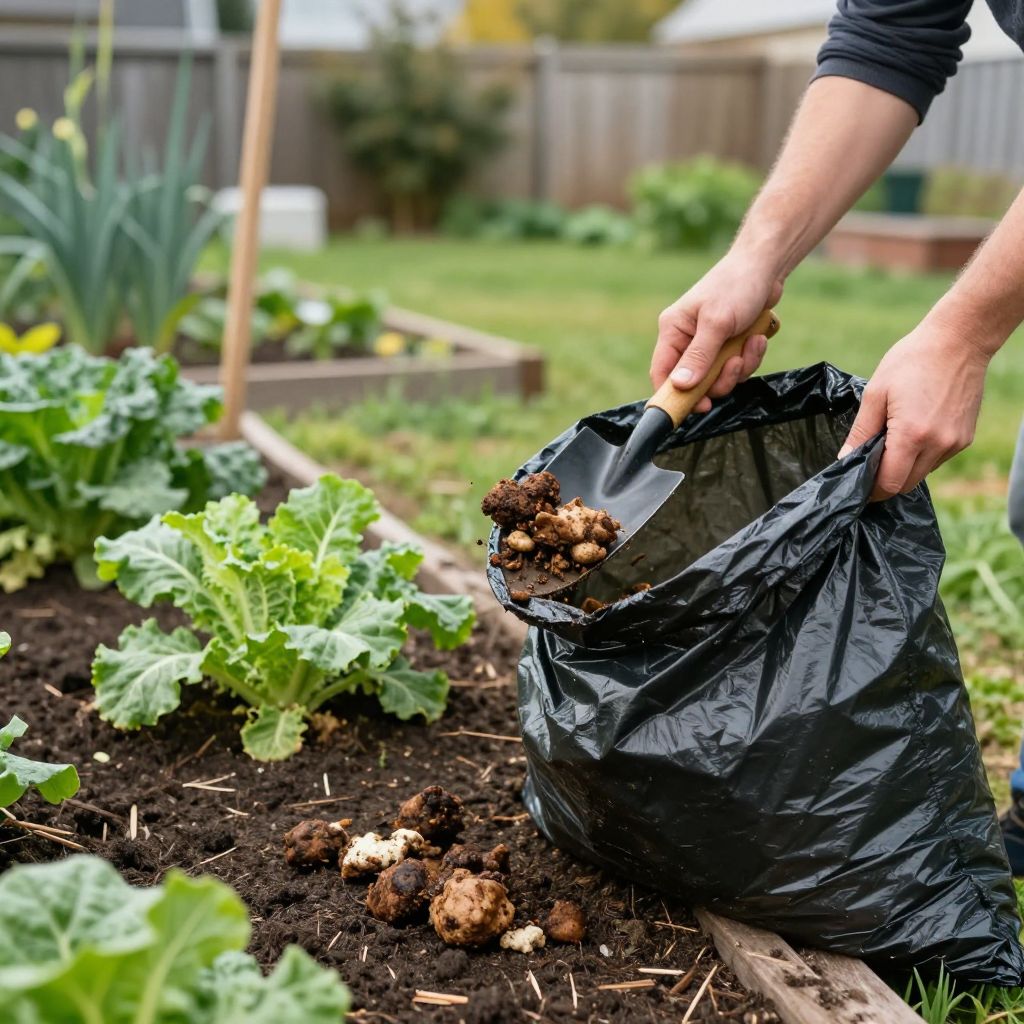
Can you use dog poop as fertilizer? Not directly, and not safely for most gardens. Dog waste can carry harmful bacteria, parasites, and residues that make it a poor choice for feeding edible plants or improving soil.
If you want to reuse pet waste responsibly, the safest approach is disposal or a dedicated pet-waste system, not mixing it into vegetable beds, compost for food crops, or planting soil.
Can you use dog poop as fertilizer?
Dog poop should not be used as fertilizer in the way manure from herbivores sometimes is. It is not a safe soil amendment for vegetables, herbs, or fruiting plants because it may contain pathogens and does not break down into a clean, reliable nutrient source for home gardens.
Why dog poop is different from animal manure
Many gardeners know that well-composted manure can help feed soil, but dog waste is a different case. Dogs are omnivores, and their feces can contain organisms that are risky for people, pets, and wildlife.
Health risks to know
- Bacteria such as E. coli and Salmonella may be present.
- Parasites and eggs can survive in waste and soil.
- Runoff can spread contamination into beds, lawns, and waterways.
- Odor and flies can become a nuisance around planting areas.
Even if dog waste looks like “natural fertilizer,” it is not a clean source of plant nutrition. The nitrogen and other nutrients are mixed with contamination risks that make it unsuitable for most home gardening uses.
What happens if you put dog poop in the garden?
If dog poop is added to beds or left on the lawn, it can create more problems than benefits. It may burn tender roots, attract insects, and contaminate the soil surface where children, pets, and edible crops come into contact with it.
Common garden problems caused by dog waste
- Patchy grass damage from concentrated waste and urine in the same area.
- Soil contamination near vegetables, berries, and herbs.
- Bad odor that lingers in warm weather.
- Fly activity and other pests around the area.
- Increased cleanup if waste is spread by rain or foot traffic.
For ornamental beds, the risk is still not worth it. For food gardens, the answer is even clearer: keep dog poop out of the soil entirely.
Can dog poop be composted?
It can be composted only in a very controlled system designed for pet waste, and that finished compost should not be used on edible crops. A regular backyard compost pile is usually not hot or consistent enough to make dog waste safe.
Why ordinary compost piles are not enough
Home compost often has uneven temperatures, especially in small bins or piles that are turned infrequently. That means pathogens may survive in pockets of material even if the center gets warm.
If you are considering pet-waste composting, treat it as a separate waste-management project, not as a way to make fertilizer for your vegetable beds.
Safe ways to handle dog waste in a garden setting
The best practice is simple: pick it up promptly and keep it out of planting areas. A dedicated disposal method protects your soil, your plants, and anyone who uses the garden.
Practical cleanup steps
- Use a bag, scoop, or pooper-scooper to remove waste as soon as possible.
- Dispose of it according to your local waste rules.
- Wash hands and tools after cleanup.
- Keep the area away from vegetable beds, herb beds, and harvest zones.
- Rinse hard surfaces if waste has contacted patios, edging, or paths.
If your dog uses a specific part of the yard, consider making that a non-planting zone with gravel, mulch you can clean easily, or a designated pet area away from edible gardens.
If you want to improve soil, use safer alternatives
There are better ways to feed your garden than using dog poop. Choose inputs that are appropriate for the plants you grow and the crops you harvest.
Better soil-building options
- Finished compost from kitchen scraps and yard waste.
- Well-aged herbivore manure from approved sources, used according to local guidance.
- Leaf mold for improving soil structure and moisture retention.
- Mulch to protect soil and reduce weeds.
- Slow-release organic fertilizers labeled for your crop type.
For vegetable gardens, choose amendments that are specifically intended for food production. For flower beds and shrubs, focus on soil structure, drainage, and mulch before adding any fertilizer at all.
How to protect edible gardens from contamination
If you have dogs and food plants in the same yard, good layout and routine maintenance matter. A few simple habits can keep your harvest safer and your beds cleaner.
Garden design tips
- Place vegetable beds where dogs cannot access them easily.
- Use low fencing, raised beds, or barriers if needed.
- Keep mulch or stepping stones in paths so cleanup is easier.
- Store harvest containers off the ground and away from pet areas.
Maintenance habits that help
- Check the yard daily for waste, especially after rain.
- Keep grass trimmed so you can spot and remove droppings quickly.
- Wash produce thoroughly from any area near pet traffic.
- Do not let dogs dig in or near compost piles used for garden soil.
These habits are especially important for crops eaten raw, such as lettuce, strawberries, herbs, and tomatoes that may touch the soil.
What about lawns and ornamental beds?
Dog poop is still not fertilizer for lawns or ornamental beds, even though grass may seem more forgiving than vegetables. It can leave dead spots, create odor, and introduce contamination to the surface of the yard.
How to manage lawn spots
- Remove waste quickly to reduce staining and damage.
- Water the area lightly after cleanup if residue remains on grass blades.
- Rake out dead turf if a spot has already burned.
- Reseed or patch thin areas once the soil is clean and stable.
For flower borders and shrubs, keep waste away from root zones and mulch layers. Repeated contamination can make maintenance harder and reduce the quality of the planting area.
When dog waste becomes a bigger problem
If you have frequent waste buildup, the issue is not fertilizer use but yard management. Too much pet waste can overwhelm a small space, especially in warm, wet weather or in compact yards with limited drainage.
Signs you need a better system
- Persistent odor even after cleanup.
- Flies or insects gathering in one area.
- Repeated dead patches in the lawn.
- Waste washing toward beds after rain.
- Difficulty keeping the area clean around edible plants.
In that case, create a designated pet zone, increase cleanup frequency, and separate food-growing areas from dog traffic. That is much more effective than trying to “use” the waste in the garden.
Common mistakes to avoid
Many gardeners make the same few mistakes when they try to recycle dog poop. Avoiding them will save you time and protect your soil.
- Do not bury dog poop in vegetable beds.
- Do not add it to regular compost for edibles.
- Do not spread it thinly over the lawn as if it were fertilizer.
- Do not assume heat alone makes backyard waste compost safe.
- Do not let children or pets play in contaminated areas.
When in doubt, treat dog waste as a disposal issue, not a soil amendment. That mindset keeps your garden healthier and your harvest safer.
Bottom line for home gardeners
You should not use dog poop as fertilizer in a home garden. It is not a safe amendment for edible plants, and it is not a reliable shortcut for improving soil. The safest choice is prompt removal, proper disposal, and using clean, approved compost or fertilizer instead.
If you want to build healthier beds, focus on safe compost, mulch, and soil testing rather than pet waste. For more practical garden guidance, read about composting basics and improving vegetable garden soil.