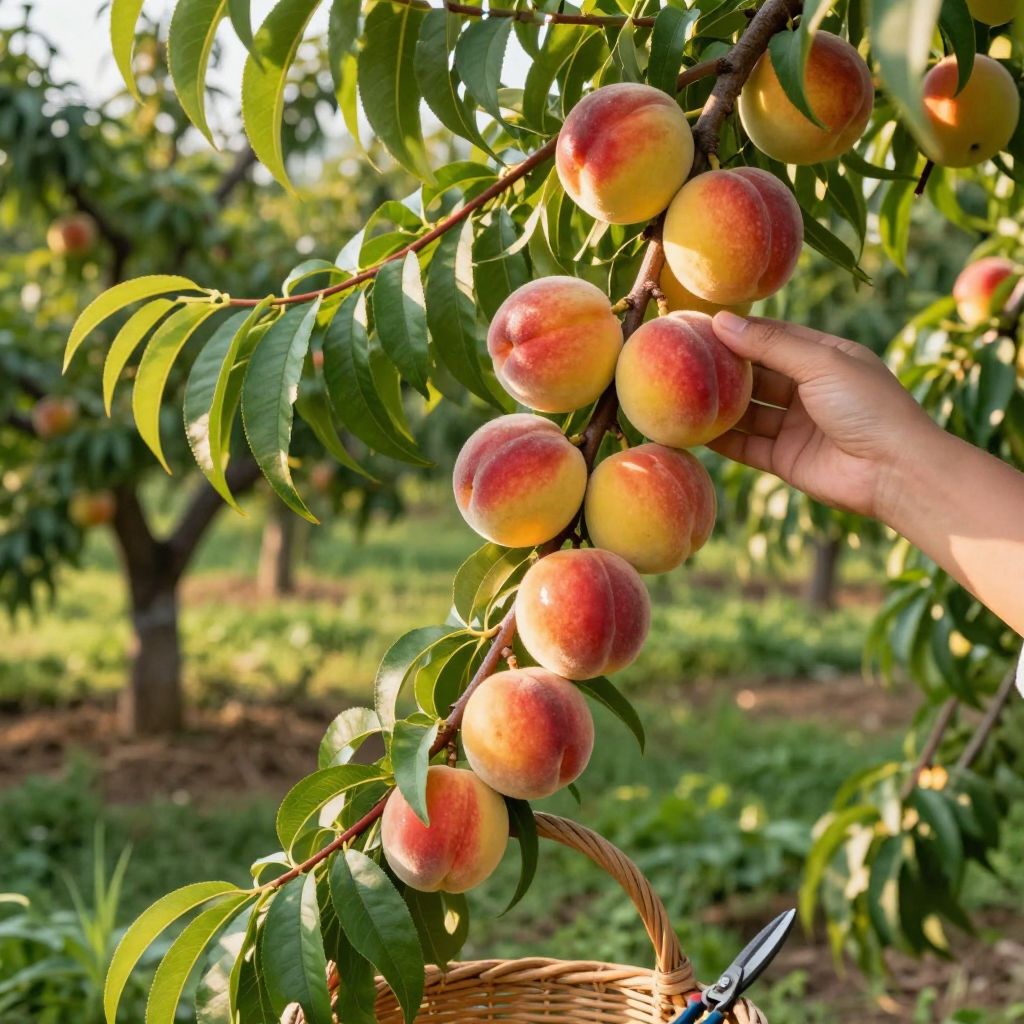
When is nectarine season? For most gardeners and shoppers, nectarines are at their best in summer, with the exact window depending on your climate, the variety, and how warm the season has been. In many regions, early varieties begin in late spring to early summer, while peak harvest often lands in mid- to late summer.
If you grow your own nectarine tree, season timing matters for pruning, thinning, watering, and harvest. Understanding the ripening window helps you pick fruit at the right stage and avoid the common mistake of harvesting too early.
When is nectarine season?
Nectarine season is usually late spring through late summer, with peak availability often in mid-summer. In warmer climates, fruit may ripen earlier; in cooler areas, the season can start later and finish sooner. For home growers, harvest timing is best judged by color, fragrance, and gentle softness rather than the calendar alone.
What affects nectarine season timing?
The main factors are variety, climate, and local weather. Nectarines are stone fruit closely related to peaches, and they need enough winter chill to break dormancy and enough summer heat to ripen well.
Climate and chill hours
Many nectarine trees need a period of winter cold, often called chill hours, before they flower normally. If a tree does not get enough chill, bloom and fruit set can be uneven, which shifts the harvest window and reduces yield.
Spring weather and frost
Late frosts can damage blossoms and young fruit, delaying or reducing the crop. A cold spring may push the season back, while a warm spring can bring earlier ripening.
Variety maturity
Some nectarine varieties are early-season, some mid-season, and some late-season. If you want fruit over a longer period, plant more than one variety with different ripening times, if your space and climate allow it.
How to tell when nectarines are ready to harvest
Do not rely on size alone. Nectarines can look ripe before they actually taste good, and they do not improve much after picking. The best fruit is harvested when fully mature and allowed to finish softening indoors only if needed.
- Color: The background color changes from green to yellow, cream, or golden tones, depending on the variety.
- Fragrance: Ripe nectarines often smell sweet and fruity near the stem end.
- Texture: The fruit gives slightly when pressed gently, but should not feel mushy.
- Stem release: A ripe nectarine usually comes away with a slight twist.
- Taste test: One sample fruit is the most reliable check if you are unsure.
Important: Nectarines do not ripen much after picking. If you harvest too early, they may stay hard and bland.
Signs you picked too soon
- Flesh stays firm and dry
- Flavor is flat or tart
- Skin color looks good, but the fruit lacks aroma
- The pit is not fully developed
Growing nectarines successfully for a better season
If you want reliable fruit at the right time, give the tree the conditions it needs from the start. Healthy growth, good light, and balanced pruning all influence when nectarines bloom and how evenly the crop ripens.
Best site and sunlight
Plant nectarines in full sun, ideally where they receive at least 6 to 8 hours of direct light daily. Sunlight supports flowering, fruit coloring, and sugar development. Avoid low spots where cold air settles, because frost can damage blossoms.
Soil and drainage
Nectarines need well-drained soil. Heavy, waterlogged ground can weaken roots and increase disease risk. If your soil is clay-heavy, improve drainage with organic matter and consider planting on a slight mound or raised bed.
- Work in compost to improve soil structure.
- Aim for soil that holds moisture but drains freely.
- Avoid planting where water stands after rain.
Watering during the growing season
Young trees need regular moisture to establish roots, and fruiting trees need steady watering during bloom, fruit swell, and hot weather. Deep watering is better than frequent shallow sprinkling because it encourages stronger roots.
Let the top layer of soil dry slightly between waterings, but do not let the tree wilt. Irregular watering can lead to fruit drop, poor sizing, or split fruit in some conditions.
Pruning for fruiting wood
Nectarines fruit on one-year-old wood, so annual pruning is important. Proper pruning keeps the canopy open to sunlight, which improves ripening and helps fruit color evenly.
- Prune in the dormant season or at the recommended time for your climate.
- Remove dead, damaged, or crossing branches.
- Thin crowded shoots so light can reach the center of the tree.
- Keep the tree at a manageable height for easier harvest.
Overgrown trees often produce smaller fruit and ripen less evenly. A well-shaped tree is easier to spray, thin, and pick.
Thinning fruit for better size and timing
Fruit thinning helps the remaining nectarines grow larger and ripen more evenly. If too many fruits stay on one branch, they compete for water and nutrients, and the crop may stay small or mature unevenly.
Thin when the fruit is still small, after natural drop has finished. Leave enough space between fruits so they are not crowded against each other. The exact spacing depends on branch strength and variety, but the goal is to avoid clusters that strain the limb.
Common pests and diseases that affect nectarine season
Pests and diseases can reduce yield or ruin fruit quality, which changes when and how much you can harvest. Early monitoring makes a big difference.
Common pest issues
- Aphids: Curl new leaves and weaken young growth.
- Oriental fruit moth or similar borers: Can damage shoots and fruit.
- Scale insects: Weaken trees over time and cause sticky residue.
Common disease issues
- Brown rot: A major problem on ripening fruit, especially in warm, humid weather.
- Peach leaf curl: Distorts leaves early in the season and can weaken the tree.
- Blossom blight: Can reduce fruit set during wet springs.
Good sanitation helps a lot. Remove mummified fruit, prune out diseased wood, and clean up fallen fruit promptly. Better airflow through pruning also reduces disease pressure.
Harvesting nectarines at the right time
Pick nectarines in the cool part of the day if possible. Handle them gently, because ripe fruit bruises easily and damaged fruit spoils faster.
Simple harvest method
- Check the background color and aroma.
- Gently lift and twist the fruit.
- If it releases easily, it is ready.
- If not, leave it for another day or two and check again.
Harvest in stages rather than all at once. Fruit on the outside of the tree often ripens first, while shaded fruit may need extra time.
After harvest
Use ripe fruit quickly, or store it carefully in a cool place for a short time. Keep fruit dry and avoid piling it deeply, which can cause bruising. If you need to finish ripening slightly firm nectarines, leave them at room temperature and check them daily.
Growing nectarines in different climates
Because nectarine season depends so much on local weather, your own harvest window may differ from what you see in stores or gardening calendars. Adjust your care to your region.
- Warm climates: Season may start earlier, but fruit can sunburn if exposed to intense heat.
- Cooler climates: Ripening may be later, and late frosts are a bigger risk.
- Humid regions: Brown rot and fungal diseases are often the main challenge near harvest.
- Dry regions: Irrigation timing matters more, especially during fruit swell.
If you are unsure about your local season, watch your tree rather than the calendar. Flowering time, fruit size, and background color will tell you more than a generic date range.
Common mistakes to avoid
- Picking fruit as soon as it looks colorful
- Letting the tree stay crowded and shaded
- Watering inconsistently during fruit development
- Ignoring thinning, which leads to small fruit
- Skipping disease cleanup after harvest
These mistakes are easy to make, but they have a big effect on fruit quality and the length of your nectarine season.
Conclusion
Nectarine season usually runs from late spring into late summer, with the best fruit often arriving in mid-summer. For the most accurate timing, watch your tree closely and harvest only when the fruit is fragrant, colored, and slightly soft. If you are planning a nectarine tree, choose a sunny site, prune annually, and keep the soil well drained for a better crop next season.
If you want to keep improving your fruit harvests, it also helps to read more about pruning fruit trees for better production and how to choose the best site for stone fruit trees.