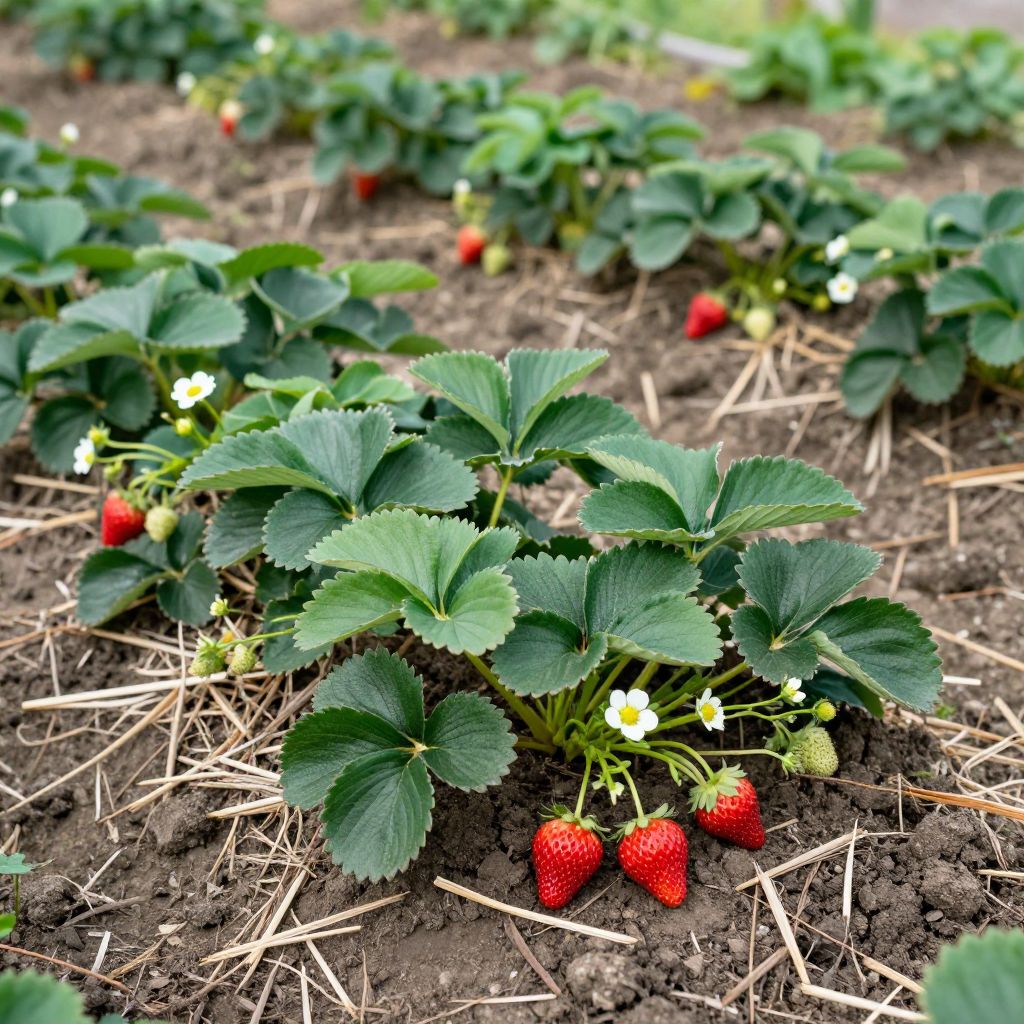
Are strawberries easy to grow? For most home gardeners, yes—if you give them sun, well-drained soil, and consistent care. Strawberries are one of the most rewarding small fruits because they can produce quickly and fit into beds, borders, containers, and hanging baskets.
They are not completely maintenance-free, though. Success depends on choosing the right planting site, keeping fruit off wet soil, and staying ahead of pests, birds, and disease. With a few good habits, strawberries are a beginner-friendly crop that can keep producing for several seasons.
Are strawberries easy to grow?
Yes, strawberries are generally easy to grow if you provide full sun, fertile soil that drains well, and regular watering. They are forgiving for beginners, especially in containers or raised beds, but they do need attention to weeds, runners, and disease prevention to stay productive.
What strawberries need to grow well
Strawberries perform best when their basic needs are met from the start. The good news is that those needs are simple and manageable in most gardens.
Sunlight
Strawberries need at least 6 to 8 hours of direct sun each day for strong growth and good fruiting. In cooler climates, full sun is ideal. In very hot climates, a little afternoon shade can help prevent stress, but too much shade usually means fewer berries and weaker plants.
Soil
They prefer loose, fertile soil with plenty of organic matter and good drainage. A slightly acidic to neutral pH is usually best, but the most important thing for beginners is avoiding heavy, soggy soil that stays wet after rain.
If your soil is dense clay, improve it with compost and consider growing strawberries in raised beds or containers. That helps roots breathe and keeps crowns from rotting.
Water
Strawberries need steady moisture, especially while flowering and fruiting. The soil should stay evenly moist, not waterlogged. Irregular watering can lead to small berries, poor yields, or misshapen fruit.
Air circulation
Good airflow helps reduce fungal disease. Space plants properly and avoid crowding them with weeds or thick mulch against the crown.
How to plant strawberries for the best start
Planting correctly makes strawberries much easier to grow later. A strong start reduces stress, disease, and transplant failure.
- Choose a sunny site with well-drained soil or a large container with drainage holes.
- Work in compost to improve fertility and soil structure.
- Remove weeds before planting so young plants are not competing for water and nutrients.
- Set the crown at soil level. The crown is the thick center where leaves emerge. Planting too deep can cause rot; planting too high can dry roots out.
- Water in well after planting to settle the soil around the roots.
That crown placement is one of the most important details in strawberry planting. If the crown is buried, the plant may decline quickly. If roots are exposed, the plant may struggle to establish.
Raised beds and containers
Raised beds and containers are often easier than in-ground planting because they warm up faster and drain better. They also make it simpler to protect fruit from slugs and keep weeds under control.
For containers, choose a pot that is wide enough for root spread and deep enough to hold moisture without staying soggy. Make sure the pot has drainage holes, and use a quality potting mix rather than garden soil.
Ongoing care that keeps strawberries productive
Strawberries are easy to grow when you stay consistent with a few basic tasks. You do not need complicated care, but you do need regular attention.
Mulching
Mulch helps conserve moisture, suppress weeds, and keep berries cleaner. Straw, shredded leaves, or other light organic mulch works well. Keep mulch a little away from the crown so the plant does not stay damp at the center.
Watering
Water deeply when the top layer of soil begins to dry. The goal is even moisture, especially during flowering and fruit development. Container-grown strawberries usually dry out faster than those in the ground, so check them more often.
If leaves wilt in hot weather, check the soil before watering again. Wilting can mean dryness, but it can also happen when roots are stressed by heat or poor drainage.
Feeding
Compost at planting time is often enough to get started. After that, strawberries usually do best with moderate feeding rather than heavy fertilizing. Too much nitrogen can produce lush leaves but fewer berries.
Focus on balanced soil fertility and avoid overfeeding. If plants are healthy but not fruiting well, the issue is often sunlight, crowding, or age rather than a lack of fertilizer.
Pruning and runner control
Strawberries naturally send out runners, which are long stems that form new baby plants. Runners can help you propagate new plants, but too many can drain energy from fruit production.
- Remove excess runners if you want larger harvests from the parent plant.
- Keep only a few runners if you want to expand your patch.
- Trim dead or damaged leaves to improve airflow and reduce disease pressure.
Common problems and how to fix them
Even easy crops have a few common issues. Most strawberry problems are preventable if you notice them early.
Small or poor-quality fruit
Small berries often result from too little sun, inconsistent watering, overcrowding, or older plants that are past their best production years. Thin overcrowded patches, keep soil evenly moist, and renew plantings as needed.
Rotting fruit
Fruit that sits on damp soil can rot quickly. Mulch helps, as does keeping plants spaced well and picking fruit promptly when ripe. In very wet weather, raised beds can make a big difference.
Leaf spots and fungal disease
Leaf spotting and mildew-like problems are more likely when plants are crowded or watered from overhead. Water at the base of the plant, remove badly affected leaves, and improve airflow around the patch.
Pests
Birds, slugs, snails, and sometimes aphids can bother strawberries. Netting can protect ripening fruit from birds, while slugs are often reduced by mulch management, hand-picking, and keeping the area tidy.
Check plants regularly. Early action is much easier than trying to rescue a patch after pests have spread.
When and how to harvest strawberries
Strawberries are best harvested when they are fully colored and firm, with a bright aroma. They do not continue to ripen much after picking, so wait until they look ready.
Pick berries with a short stem attached if possible, and handle them gently. Harvesting in the morning, after the dew has dried, often gives you the best texture and flavor.
- Harvest frequently to encourage more production.
- Remove overripe fruit so it does not attract pests or rot.
- Use shallow containers when collecting berries to avoid crushing them.
Should beginners grow strawberries in the ground or in containers?
Both can work well, but containers are often easier for beginners with limited space or poor soil. In-ground planting can produce larger patches, while containers offer better drainage and easier pest control.
In the ground
Best if you have good soil, plenty of sun, and room to manage weeds and runners. In-ground beds can be very productive, but they need careful spacing and soil preparation.
In containers
Best if your soil is heavy, your space is small, or you want to keep plants close to the house for easy picking. Containers dry out faster, so they need more frequent checking.
Propagation and renewing your patch
One reason strawberries are easy to grow is that they are easy to multiply. Runners root naturally, making it simple to replace older plants or expand your patch.
At the same time, strawberry plants do not stay highly productive forever. Yields often decline as plants age, so many gardeners renew part of the patch every few years using healthy runner plants.
- Choose strong, disease-free runner plants.
- Root them in small pots or directly in prepared soil.
- Remove weak or overcrowded old plants to keep the patch productive.
Best mistakes to avoid
Most strawberry failures come from a few avoidable errors rather than difficult growing conditions.
- Planting too deeply, which can rot the crown.
- Letting soil dry out for long periods, especially during fruiting.
- Overcrowding plants, which reduces airflow and fruit size.
- Using too much nitrogen fertilizer, which can produce leaves instead of berries.
- Ignoring runners, which can make patches crowded and less productive.
- Allowing fruit to rest on wet soil, which increases rot.
Final thoughts
So, are strawberries easy to grow? Yes—especially if you give them sun, well-drained soil, steady moisture, and a little routine care. They are one of the most approachable fruit crops for beginners because they respond quickly and fit into many garden spaces.
If you are planning your first patch, start small, prepare the soil well, and keep an eye on watering and runners. For more growing ideas, you may also want to read can you grow strawberries indoors?