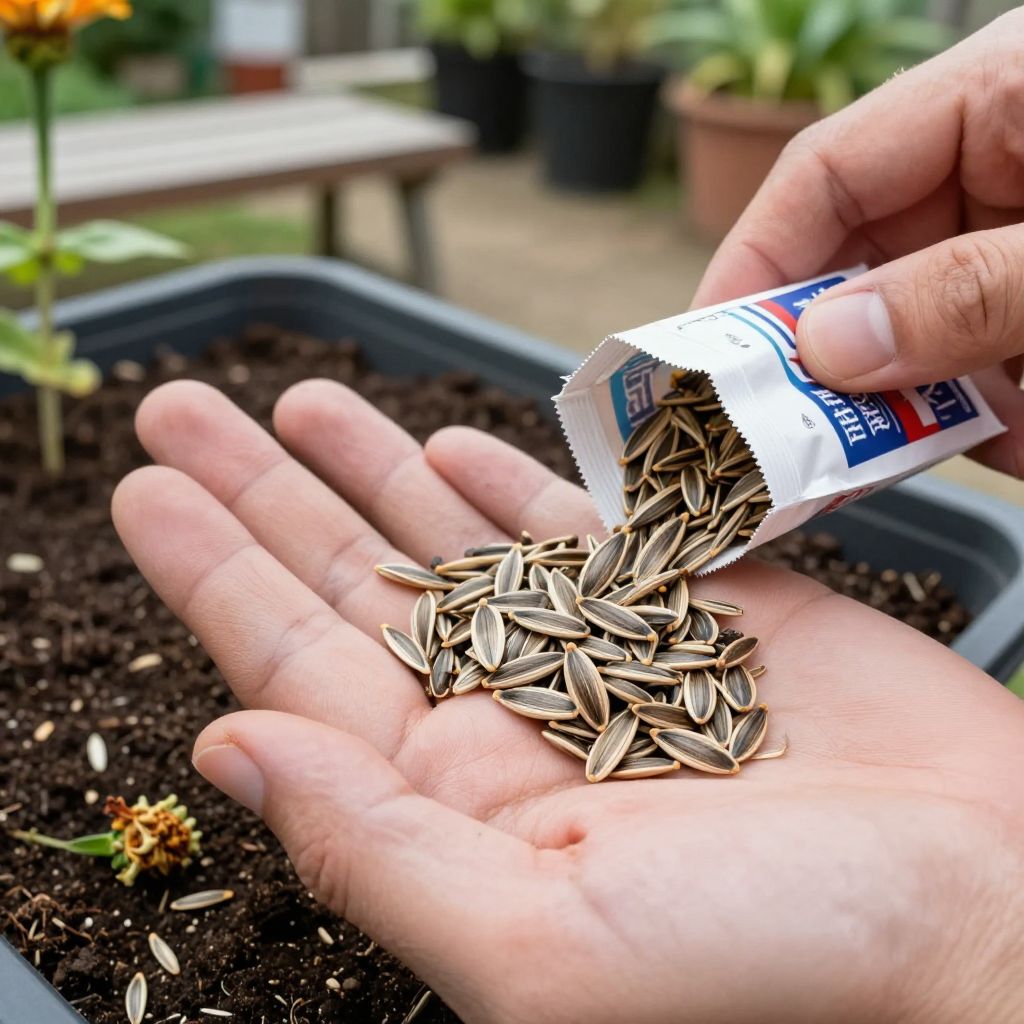
Wondering what do zinnia seeds look like when you save them or buy them for planting? Zinnia seeds are usually small, narrow, and pointed, with a dry, papery coat that ranges from tan to dark brown or black depending on the variety and maturity.
They are easy to recognize once you know what to look for, but they can also be mixed with bits of dried flower debris. If you want to collect, store, or sow them successfully, it helps to understand their shape, color, and how to tell good seeds from empty ones.
What do zinnia seeds look like?
Zinnia seeds are typically elongated, slender, and slightly arrow-shaped, often about 1/4 to 1/2 inch long depending on the type. They usually have a dry, hard seed coat that looks tan, brown, grayish, or black, and they may have a slightly pointed end and a flatter base.
How to identify zinnia seeds in a seed head
When you open a dried zinnia flower head, you may see several different seed shapes mixed together. The most viable seeds are the plump, firm, mature ones that feel dry and substantial, not papery or hollow.
What mature zinnia seeds look like
- Shape: narrow, wedge-like, or arrow-shaped
- Size: small to medium, depending on the variety
- Color: tan, brown, gray-brown, or black
- Texture: dry, firm, and slightly rough or papery
- Feel: solid, not soft, shriveled, or lightweight
What immature or poor-quality seeds look like
- Pale, thin, or translucent pieces
- Seeds that are very flat and papery
- Crinkled seeds that crumble easily
- Empty husks or debris that look seed-like but have no weight
If you are saving seeds from your own plants, remember that zinnias often produce a mix of seed shapes. Some are more productive than others, so it is normal to sort through a few to find the best ones.
Where zinnia seeds come from on the plant
Zinnia seeds form in the center of the flower head after the bloom fades and dries on the plant. The petals usually wither first, then the center becomes brown and dry as the seeds mature.
How to know the seed head is ready
Wait until the flower head is fully dry, brittle, and brown. A ready seed head should feel crisp, not soft or green, and the seeds should separate more easily from the dried center.
- The petals have dropped or turned papery
- The center is brown and dry
- The seed head feels brittle when squeezed gently
- The seeds come away without much resistance
Harvesting too early is one of the most common mistakes. Immature zinnia seeds may look promising but often fail to germinate well.
How to harvest zinnia seeds the right way
To save zinnia seeds, choose healthy flowers from strong, disease-free plants. Let the flower heads dry on the plant as long as weather allows, then collect them before heavy rain or frost damages the seed head.
- Choose a fully mature, dried zinnia flower head.
- Snip it off with clean scissors or pruners.
- Place the head in a paper bag, tray, or shallow bowl.
- Break apart the dry center with your fingers.
- Separate the seeds from chaff and dried petals.
- Let the seeds dry for several more days before storing.
Paper bags work better than plastic because they allow moisture to escape. If seeds are stored while still damp, they can mold or lose viability.
How to tell zinnia seeds from chaff
Chaff is the dry plant material that comes off with the seeds, including flower fragments, husks, and thin papery bits. Zinnia seeds are firmer and heavier than chaff, even though they may be similar in color.
Simple sorting tips
- Blow gently across the pile to move lighter debris away.
- Pick out the firm, narrow seeds by hand.
- Use a sieve with large enough openings to let dust and fluff fall through.
- Spread seeds on white paper so they are easier to see.
A good seed should not feel like a flake of dried petal. If you are unsure, press it lightly between your fingers: a viable seed usually feels solid rather than hollow.
What zinnia seeds look like by variety
Most zinnia seeds share the same basic shape, but size and color can vary a little by species and cultivar. Some look darker and plumper, while others are thinner and lighter in color.
Common differences you may notice
- Large-flowered zinnias: often produce slightly larger seeds
- Smaller bedding zinnias: may have slimmer, lighter seeds
- Older seed heads: can contain darker, more weathered seeds
- Freshly dried seed heads: often show clearer shape and less discoloration
Even with these differences, the overall look is still the same: narrow, dry, pointed seeds rather than round or flat seeds like some other garden flowers.
How to store zinnia seeds after harvesting
Once the seeds are fully dry, store them in a cool, dry place. Proper storage helps preserve germination and keeps the seeds from molding or becoming brittle.
Best storage method
- Use a labeled paper envelope or small paper packet
- Keep the seeds in a dry indoor location
- Avoid direct sunlight and humid rooms
- Store away from temperature swings
Label the packet with the flower color, plant name, and harvest year if you know it. That makes it much easier to plan next season’s garden and use older seeds first.
How to plant zinnia seeds for good germination
Zinnias are usually grown from seed because they are easy and fast to start. Sow them where they will get full sun and warm soil, since zinnia seeds germinate best in conditions that are consistently warm rather than cool and damp.
Basic sowing steps
- Choose a site with full sun and well-drained soil.
- Loosen the soil and remove weeds.
- Plant seeds at the depth recommended on the packet, usually shallow.
- Water gently so the soil is moist but not soaked.
- Keep the area evenly moist until seedlings emerge.
If you are starting seeds indoors, use a clean seed-starting mix and bright light. Transplant carefully once seedlings are established and outdoor conditions are suitable for your area.
Common sowing mistakes to avoid
- Planting in cold soil
- Burying seeds too deeply
- Overwatering and causing rot
- Letting seedlings dry out completely
- Starting in low light, which leads to weak growth
Growing conditions that help zinnia seedlings thrive
Zinnias prefer warmth, sun, and air circulation. They do best in garden beds or containers that drain well, because soggy soil can slow germination and encourage disease.
Helpful growing conditions
- Sunlight: full sun for strong flowering
- Soil: fertile, loose, and well drained
- Watering: deep enough to settle roots, but not constantly wet
- Airflow: enough space between plants to reduce mildew
Adding compost to the soil can improve texture and fertility, especially in poor or compacted beds. Just avoid making the soil overly rich with nitrogen, which can encourage leafy growth at the expense of flowers.
Common problems when saving or sowing zinnia seeds
Most zinnia seed problems come from harvesting too early, storing seeds with moisture, or sowing them in poor conditions. A few small adjustments can make a big difference.
Problem: seeds won’t germinate
This often happens when the seeds were immature, stored damp, or planted in cold soil. Use only fully dried seeds and wait for warmer conditions if your climate is still cool.
Problem: seedlings are weak or leggy
Weak seedlings usually need more light. Move indoor starts to a brighter window or use grow lights if natural light is limited.
Problem: seedlings collapse at the soil line
This can be a sign of damping off, a fungal issue that is more likely in overly wet, crowded, or poorly ventilated conditions. Use clean containers, fresh seed-starting mix, and avoid overwatering.
Problem: leaves develop powdery white spots later in the season
Zinnias can be affected by powdery mildew, especially in humid conditions or when plants are crowded. Space plants properly, water at the base, and remove badly affected foliage if needed.
Using zinnias in the garden after germination
Once your zinnias are growing well, pinch or deadhead them as needed to encourage more blooms. Regular removal of spent flowers can also help you decide which blooms to leave for seed saving later in the season.
Best practices for healthy plants
- Water at the soil level instead of soaking the foliage
- Space plants to improve airflow
- Remove fading flowers if you want more blooms
- Leave a few flowers in place if you want seed heads to mature
If you want to save seed for next year, choose the strongest plants and allow a few blooms to dry fully on the stem. That gives you a better chance of collecting mature, usable seeds.
Conclusion: what to do next
Now that you know what do zinnia seeds look like, you can confidently sort, save, and sow them with less guesswork. Look for narrow, dry, pointed seeds that feel firm rather than papery, and harvest only from fully dried flower heads.
For more practical flower-growing advice, you may also want to read about deadheading annual flowers and starting seeds indoors to help your zinnias grow stronger from the start.