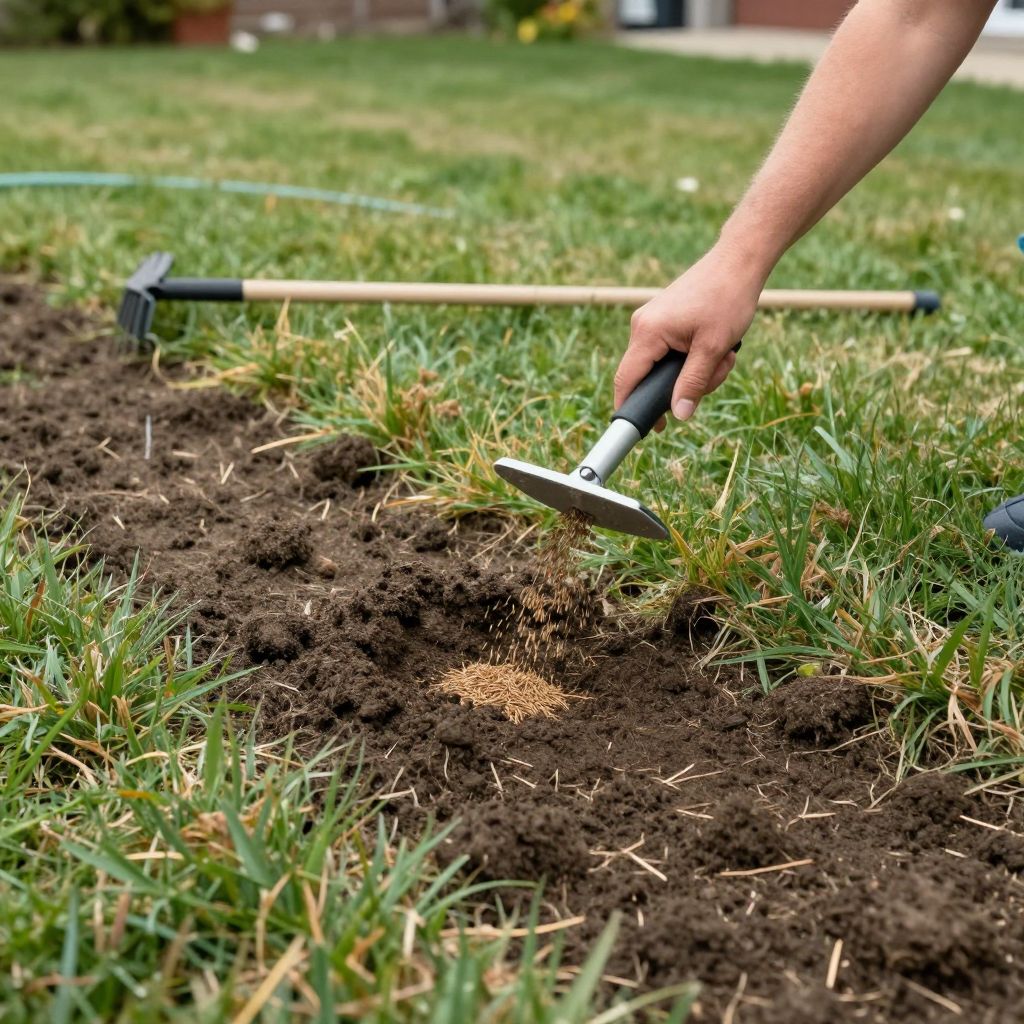
When is a good time to plant grass seed? The best timing depends on your climate, grass type, and whether you are starting a new lawn or overseeding an existing one. In general, cool-season grasses do best in late summer to early fall, while warm-season grasses are usually planted in late spring to early summer.
The goal is to give seed warm soil, steady moisture, and enough time to establish before stress from heat, drought, or cold. If you match planting time to your local conditions, you’ll get faster germination and a thicker lawn with fewer weeds.
When is a good time to plant grass seed?
The best time to plant grass seed is when soil temperatures and moisture favor germination and young grass has several weeks to establish. For cool-season grasses, aim for late summer through early fall. For warm-season grasses, plant in late spring through early summer after frost risk has passed and the soil has warmed.
Why timing matters so much
Grass seed can germinate at the wrong time of year, but seedlings often struggle afterward. Young grass has shallow roots and needs consistent moisture, mild temperatures, and light competition from weeds.
If you plant too early in spring, weeds may outgrow the grass. If you plant too late in fall or during peak summer heat, seedlings may dry out or fail to harden off before weather turns.
What good timing gives you
- Better germination because soil temperatures are in the right range.
- Less weed pressure when you seed during the lawn’s natural growth window.
- Stronger roots before heat, drought, or winter stress arrives.
- More even coverage because seedlings establish before heavy foot traffic.
Best season by grass type
Cool-season grasses
Cool-season grasses, such as Kentucky bluegrass, perennial ryegrass, tall fescue, and fine fescues, usually establish best in late summer to early fall. In many regions, this is the most reliable window because soil is still warm, air temperatures are cooler, and weeds are less aggressive.
Spring seeding can work, but it often requires more weed control and more careful watering through summer. If you seed in spring, be prepared to keep the soil evenly moist and avoid letting the new lawn dry out.
Warm-season grasses
Warm-season grasses, such as bermudagrass, zoysia, centipedegrass, and buffalograss, generally perform best when planted after the soil has warmed in late spring or early summer. These grasses need heat to germinate and grow vigorously.
Planting too early, when soil is still cool, can slow germination and invite rot or patchy results. Wait until nights are mild and frost is no longer a concern.
How to choose the right planting window for your area
Your local climate matters more than the calendar. A good rule is to watch soil temperature, rainfall patterns, and the forecast for the next few weeks.
- Cool-season lawns: seed when daytime temperatures are easing down and cool nights are returning.
- Warm-season lawns: seed after spring soil warms and before summer stress becomes severe.
- Dry climates: choose a time when you can water consistently without relying on rain.
- Humid climates: watch for fungal issues and avoid seeding during periods of prolonged heat and heavy rain.
If you are unsure, contact your local extension office or garden center for the best lawn-seeding window in your region. Local weather patterns can shift the ideal timing by several weeks.
How to prepare the soil before planting grass seed
Good soil preparation is just as important as timing. Seed needs firm, fine, and evenly moist soil contact to germinate well.
- Remove weeds, debris, and old thatch from the area.
- Loosen the top 2 to 4 inches of soil if the site is bare or compacted.
- Rake the surface smooth so seed won’t wash into low spots.
- Mix in a thin layer of compost if the soil is poor, sandy, or very compacted.
- Level low areas so water does not pool and drown seedlings.
Compost can improve moisture retention and soil structure, but do not bury seed too deeply. Grass seed should usually be covered only lightly, if at all, depending on the species and your soil texture.
When to skip heavy soil work
If you are overseeding an existing lawn, you usually do not need deep tilling. Instead, mow short, rake out debris, and lightly roughen the surface so seed can settle into the soil.
Steps for planting grass seed successfully
Whether you are seeding a bare patch or an entire lawn, the basic process is similar. The key is even coverage and consistent moisture.
- Choose the right seed mix for sun, shade, traffic, and your climate.
- Prepare the area by removing weeds and loosening the top layer of soil.
- Spread seed evenly using a hand spreader or broadcast spreader.
- Rake lightly so seed makes contact with the soil.
- Press seed in with a roller or by walking on a board if needed.
- Water gently so the seed stays moist but does not wash away.
For small patches, hand seeding can work well if you spread seed in two directions for better coverage. For larger lawns, a spreader gives more even results.
Watering after seeding
New grass seed needs moisture from the day you plant it until the seedlings are established. The soil should stay consistently damp, not soggy.
Light, frequent watering is usually better at first than deep soaking. Once seedlings emerge, gradually shift to less frequent but deeper watering to encourage roots to grow downward.
Common watering mistakes
- Letting the seed dry out during germination.
- Overwatering until the soil becomes muddy or crusted.
- Using a strong spray that moves seed out of place.
- Watering at the wrong time so the surface dries too quickly in hot sun or wind.
If you are seeding in a windy or hot location, water earlier in the day and check the surface often. In shaded areas, the soil may stay moist longer, so reduce watering if puddling starts.
Sunlight, shade, and lawn success
Grass seed performs best when the grass species matches the amount of sunlight the site receives. Full-sun lawns need different seed choices than shaded yards under trees or beside buildings.
Too much shade is a common reason lawns thin out, even when planting time is correct. If the area gets less than about 4 hours of direct sun, choose a shade-tolerant mix and expect slower growth.
Improving difficult sites
- Prune low tree branches to let in more light.
- Thin dense shrubs that block sun and airflow.
- Use compost to improve weak soil in compacted areas.
- Consider groundcovers or mulch in spots where grass will always struggle.
How long grass seed takes to sprout
Germination time varies by species and weather. Some grasses sprout quickly, while others take longer to show visible growth. Warm soil and steady moisture speed the process, while cool soil slows it down.
Do not assume seed has failed if nothing appears right away. Wait long enough for the specific grass type you planted, and keep the seedbed evenly moist during that period.
Common problems and how to fix them
Patchy germination
Patchy growth often comes from uneven seeding, poor soil contact, dry spots, or seed washing away. Rake lightly, reseed thin areas, and keep the surface evenly moist.
Birds eating seed
Birds may feed on exposed seed, especially in open areas. Lightly raking seed into the soil and covering it with a thin layer of straw or a suitable mulch can help protect it.
Weeds overtaking seedlings
Weeds are more likely when you seed too early in spring or when the lawn is thin. Mow only when the new grass is tall enough, and avoid aggressive weed control products until the young lawn is established and the product label allows use on new grass.
Seed rotting or washing away
Too much water, poor drainage, or heavy rain can cause seed to rot or move. Improve drainage, seed when weather is calmer, and avoid creating puddles in low spots.
Should you seed in spring or fall?
For many lawns, fall is the better season for cool-season grasses because temperatures are moderate and weed pressure is lower. Spring can still work, but it often requires more maintenance through summer.
For warm-season grasses, late spring and early summer are usually better than fall because the grass needs warmth to establish before cool weather arrives.
Quick comparison
- Cool-season grass: best in late summer to early fall; spring is a backup option.
- Warm-season grass: best in late spring to early summer; avoid cold soil.
- Overseeding: often scheduled when the existing lawn can recover quickly and competition is lower.
When not to plant grass seed
Some conditions make seeding risky, even if the calendar says it is the right season. Avoid planting when the soil is frozen, drought is severe, or heavy rain is expected to wash seed away.
You should also avoid seeding during extreme heat, because young grass can dry out faster than you can keep up with watering.
Helpful tools for the job
- Hand or broadcast spreader
- Leaf rake or lawn rake
- Garden hose with gentle spray nozzle or sprinkler
- Soil thermometer, if you want more precise timing
- Compost for improving poor soil
Conclusion
The best answer to when is a good time to plant grass seed is: seed when your grass type can germinate easily and the young lawn has time to establish before stress arrives. For cool-season grasses, that is usually late summer to early fall. For warm-season grasses, it is usually late spring to early summer.
Pick the right season, prepare the soil, and keep the seedbed evenly moist. If you want to keep improving your lawn, consider reading more about soil preparation and overseeding techniques before you start.