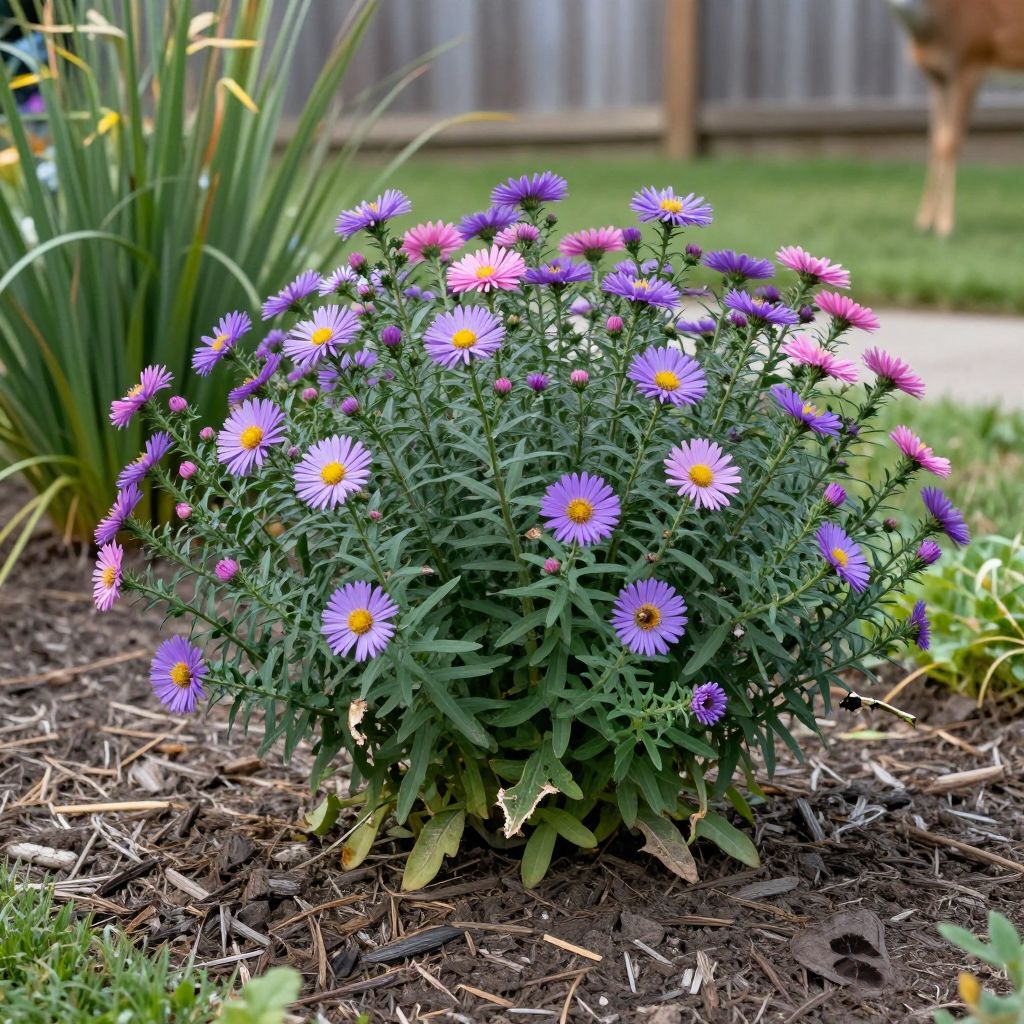
Are asters deer resistant? In most gardens, the answer is “somewhat, but not reliably.” Deer usually prefer plants with strong fragrance, fuzzy or leathery leaves, or bitter sap, and many asters are less appealing than tender ornamentals. Still, hungry deer will browse asters, especially when other food is scarce.
If you want asters for late-season color, it helps to know when they’re likely to be left alone and how to protect them when deer pressure is high. With the right placement and care, you can still enjoy healthy aster plants and reduce the chances of browsing.
Are asters deer resistant?
Asters are generally considered moderately deer resistant, not deer-proof. Deer often avoid them when other plants are available, but they may eat the foliage, buds, or flowers in dry seasons, winter, or areas with heavy deer pressure. Your local deer population, garden layout, and nearby food sources matter as much as the plant itself.
Why deer may or may not eat asters
Deer feeding is highly opportunistic. A plant that is ignored in one garden may be heavily browsed in another, especially if deer are hungry or accustomed to feeding near homes.
Factors that affect browsing
- Food availability: When natural forage is limited, deer sample more plants.
- Season: Young spring growth and late-season blooms can be more vulnerable.
- Plant age: Tender new growth is usually more attractive than mature stems.
- Garden location: Beds near woods, hedges, or deer trails are at higher risk.
- Local deer habits: Deer that regularly feed in landscapes often become less selective.
Many asters have a texture or flavor deer don’t prefer, but that resistance is relative. If deer are hungry enough, they may still clip stems or strip buds just before flowering.
How to grow asters so they stay healthy and recover well
Healthy asters are better able to bounce back from occasional browsing and produce fuller blooms. Give them the conditions they like, and they’ll establish stronger roots and sturdier growth.
Best growing conditions
- Sunlight: Most asters bloom best in full sun, though some tolerate light afternoon shade in hot climates.
- Soil: Use well-drained soil with moderate fertility.
- Moisture: Keep soil evenly moist while plants establish, then water as needed during dry spells.
- Air circulation: Space plants well to reduce mildew and other foliage problems.
Asters dislike soggy soil. If your garden holds water after rain, improve drainage before planting by mixing in compost and choosing a raised bed or higher spot in the landscape.
Planting tips for stronger plants
- Choose a site with at least 6 hours of sun if possible.
- Work compost into the top few inches of soil to improve structure.
- Set plants at the same depth they were growing in the pot.
- Water thoroughly after planting to settle the soil around the roots.
- Mulch lightly to conserve moisture, keeping mulch away from the crown.
Good establishment matters because stressed asters are more likely to be damaged by deer, drought, and disease all at once.
How to protect asters from deer
If deer are active in your area, combine several deterrents rather than relying on one method. Deer pressure can change quickly, so the most effective approach is usually layered protection.
Practical deer-deterrent strategies
- Use fencing: A physical barrier is the most dependable solution. Even a small bed fence can help if it is tall enough and placed correctly.
- Plant near the house: Deer are less likely to browse toward high-risk areas with more human activity.
- Mix in less palatable plants: Surround asters with strongly scented or textured plants that deer tend to avoid.
- Apply repellents: Use labeled deer repellents and reapply after rain or new growth.
- Rotate tactics: Deer can get used to one deterrent, so vary products and methods when needed.
Repellents work best before deer start feeding heavily. Once deer discover a favorite patch, they may return repeatedly unless you add stronger protection.
What not to rely on
- Single-spray solutions during heavy deer pressure
- Plants labeled “deer resistant” as if they were deer-proof
- Strong scents alone, especially after rain
- Waiting until plants are already damaged
Which asters are more likely to be left alone?
Different asters can vary in toughness, but no aster is completely safe from deer. In general, deer tend to browse what is tender, lush, and easy to reach.
If you are choosing plants for a deer-prone garden, look for asters that fit your climate and site first, then focus on protection. A well-sited aster is more likely to thrive and less likely to become an easy target.
Selection tips
- Choose varieties suited to your region’s heat, humidity, and winter cold.
- Prefer plants with upright, sturdy stems if your site is windy or exposed.
- Avoid overcrowding, which can create lush, weak growth that deer may notice.
If you are unsure which aster type to buy, ask a local nursery for options that perform well in your area and have a reputation for moderate deer resistance.
Caring for asters after deer damage
Light browsing is often cosmetic, but repeated feeding can weaken plants and reduce bloom. The good news is that many asters can recover if the roots remain healthy.
What to do after browsing
- Trim ragged stems back to a healthy leaf node or strong side shoot.
- Water deeply if the soil is dry, especially during active growth.
- Check for more deer activity and add protection right away.
- Avoid heavy fertilizing, which can push soft growth that deer may browse again.
If deer have removed most of the top growth, the plant may still resprout. Give it time, keep the soil evenly moist, and protect new shoots as they emerge.
Common aster problems that can look like deer damage
Not every missing leaf is caused by deer. It helps to tell the difference so you can fix the real issue instead of treating the wrong problem.
Look for these clues
- Deer damage: Ragged but cleanly clipped stems, browsed tops, and missing buds higher up on the plant.
- Insects: Chewed holes, skeletonized leaves, or visible pests on stems and undersides of leaves.
- Disease: Powdery mildew, spotting, yellowing, or decline that starts without obvious chewing.
- Weather stress: Wilting, scorch, or broken stems after heat, drought, or storms.
Powdery mildew is one of the more common aster issues, especially in crowded or shaded plantings. Improve spacing, water at the base, and remove badly affected foliage if needed.
Pruning, pinching, and maintenance for better blooms
Well-maintained asters often grow more compactly and bloom more evenly, which can also make them slightly less tempting to deer than overly lush plants.
Simple maintenance steps
- Pinch back early growth in spring or early summer if your aster type benefits from it, to encourage bushier plants.
- Deadhead spent flowers if you want a tidier display and fewer self-seeded volunteers.
- Cut back in late season or after frost, depending on your garden style and local conditions.
- Divide crowded clumps every few years if flowering declines or the center opens up.
Use clean, sharp pruners or snips. Clean cuts reduce stress and help the plant recover faster after browsing or seasonal cleanup.
Can you grow asters in a deer-prone landscape?
Yes, but it works best when you treat deer resistance as one part of the plan, not the whole plan. Asters can be a good choice for mixed borders, pollinator gardens, and late-season color, especially when paired with protection and smart placement.
Best-use ideas for deer-prone gardens
- Plant asters near patios, porches, or entry paths where deer are less comfortable feeding.
- Use them in layered beds with more resistant shrubs and perennials around the edge.
- Protect young plants until they are well established.
- Monitor new growth after rain, drought, or nearby landscape changes that may alter deer movement.
In many gardens, asters are a worthwhile gamble because they bring color when many other perennials are fading. Just be ready to defend them if deer pressure increases.
Conclusion: the best answer for gardeners
So, are asters deer resistant? Somewhat—but not enough to count on without backup in deer-heavy areas. If you want the best results, grow asters in full sun, keep the soil well drained, and protect them with fencing or repellents when needed. That way, you get the flowers without losing them to browsing.
If you’re planning a deer-aware garden, you may also want to learn more about what to feed deer so you can better understand their habits and reduce the chances of them making your asters a snack.