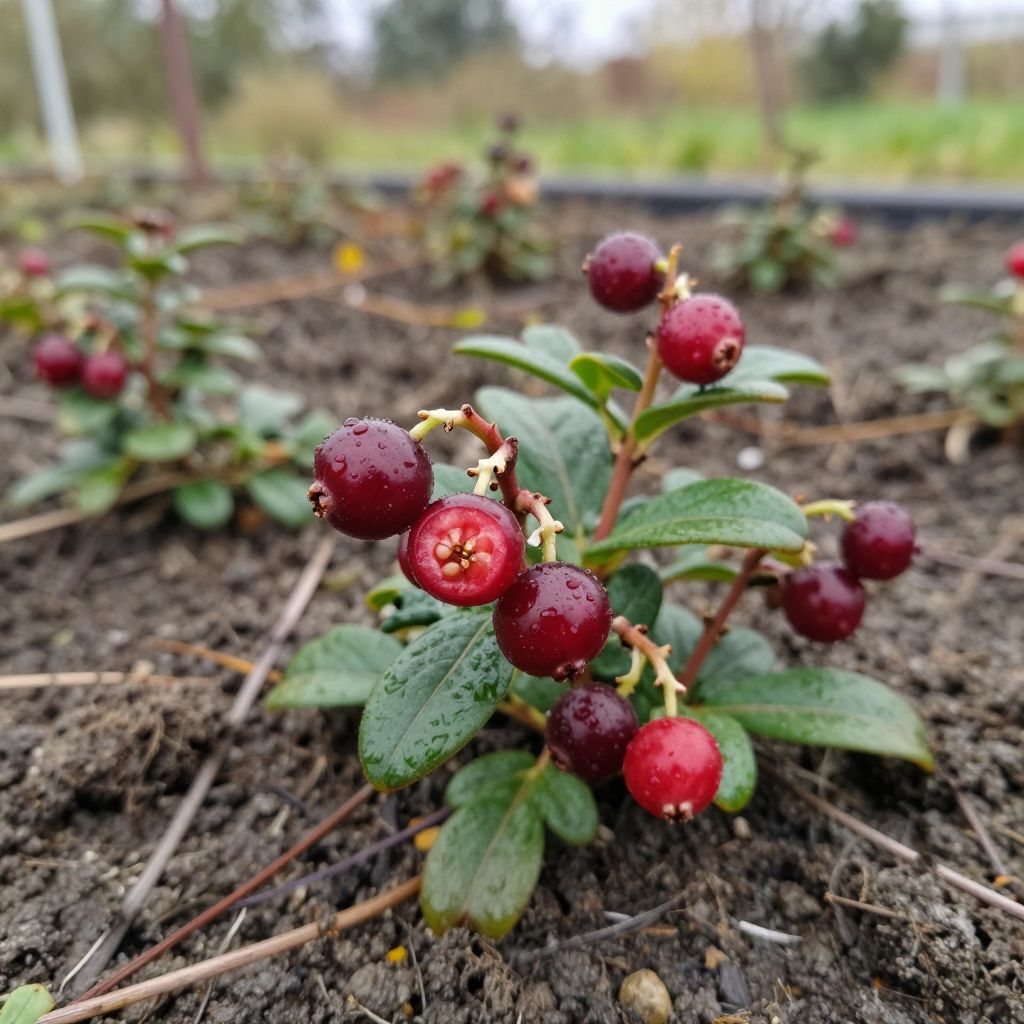
Do cranberries have seeds? Yes—cranberries do contain small seeds, and those seeds are part of the fruit. If you cut open a cranberry, you may notice them as tiny, pale seeds inside the flesh. For gardeners, the bigger question is usually whether those seeds can be used to grow new plants and what conditions cranberries need to thrive.
Cranberries are a unique fruiting plant with specific moisture, soil, and light needs. Understanding how their seeds work can help you decide whether to grow them from seed, start with cuttings, or simply care for an established cranberry bed more successfully.
Do cranberries have seeds?
Yes, cranberries (Vaccinium macrocarpon) have seeds inside the fruit, usually several small seeds per berry. They are edible and often unnoticed because they are tiny. While cranberry seeds can be used for propagation, most home gardeners find that cranberries are easier and more reliable to grow from cuttings or established plants.
What cranberry seeds are like
Cranberry seeds are small, hard, and embedded in the fruit flesh. They are not large or obvious like pumpkin seeds, so many people never see them unless they slice open the berry.
Why you may not notice them
- The seeds are tiny compared with the fruit.
- They are surrounded by juicy flesh and a firm skin.
- Commercial berries are often eaten whole, so the seeds go unnoticed.
In the garden, those seeds matter most if you are trying to propagate cranberries from fruit. Even then, seed-grown plants are slow and variable, so they are not the usual choice for home growers.
Can you grow cranberries from seed?
You can grow cranberries from seed, but it is a slow process and usually not the best route for beginners. Seed-grown plants can take years to mature, and the seedlings may not come true to the parent plant. If you want dependable results, use rooted cuttings or nursery plants instead.
When seed propagation makes sense
- You want to experiment with propagation.
- You do not mind waiting a long time for results.
- You are growing for learning rather than quick harvests.
Why cuttings are usually better
- They preserve the parent plant’s traits.
- They establish faster than seedlings.
- They are more predictable for home gardens.
If your goal is a productive cranberry patch, think of seed as a botanical curiosity rather than the easiest planting method.
Growing conditions cranberries need
Cranberries are not ordinary garden shrubs. They prefer acidic, moist, well-drained soil and full sun, and they perform best where conditions can be kept consistently suitable. If your soil is alkaline, heavy clay, or dries out quickly, you may need to grow them in a prepared bed or container.
Soil
Cranberries grow best in acidic soil, typically around pH 4.0 to 5.5. They also need a loose, organic, moisture-retentive medium that still drains well. A mix rich in peat moss, sand, and organic matter is commonly used in cranberry production.
Avoid planting cranberries in compacted soil or in spots where water stands for long periods. Roots need moisture, but they also need oxygen.
Sunlight
Full sun is best for fruiting. In cooler climates, cranberries tolerate open, sunny sites very well. In hotter regions, light afternoon shade may reduce stress, but too much shade can reduce flowering and fruit set.
Moisture
Cranberries like even moisture, especially while they are establishing. They do not want to dry out completely, but they also should not sit in stagnant water for extended periods. Consistent moisture is one of the most important parts of cranberry care.
How to plant cranberries successfully
Whether you are planting rooted cuttings, nursery plants, or trying seed-started seedlings, the setup matters more than almost anything else. Cranberries reward careful site preparation.
Step-by-step planting guide
- Choose the right site. Pick a sunny location with acidic soil and good drainage.
- Prepare the bed. Work in organic matter suited to acid-loving plants and loosen the soil without compacting it.
- Test the pH. Adjust only if needed, based on a soil test.
- Space plants to spread. Cranberries grow as trailing vines, so give them room to expand.
- Water in well. Keep the root zone evenly moist after planting.
- Mulch lightly. Use an acidic, moisture-holding mulch if appropriate for your site.
For containers, use a wide pot rather than a deep one, since cranberries spread horizontally. Make sure the container drains freely and do not let the pot sit in standing water.
Care tips for healthy cranberry plants
Once established, cranberries need steady but not excessive care. The main goal is to keep the root zone acidic, moist, and weed-free while encouraging healthy vine growth.
Watering
Water based on weather, soil, and plant age. Young plants need more frequent attention than established patches. Check the top layer of soil regularly; if it begins to dry, water deeply enough to moisten the root zone.
Do not rely on a fixed schedule. Hot, windy, or sandy sites dry out quickly, while cool or heavy soils hold moisture longer.
Mulching
Mulch helps conserve moisture and suppress weeds. Use materials that support acidic conditions and avoid smothering the crown. Keep mulch a little away from the stems to reduce rot problems.
Feeding
Cranberries usually need only light feeding if the soil is already suitable. Too much fertilizer can push lush leafy growth at the expense of fruit. If you fertilize, base it on a soil test and local recommendations for acid-loving plants.
Pruning and spreading habit
Cranberries naturally creep and spread. Light pruning is usually enough to remove damaged growth and keep the bed manageable. If vines become overly dense, thinning can improve air movement and reduce disease pressure.
Common problems when growing cranberries
Many cranberry problems come from the wrong soil, poor drainage, or inconsistent moisture. If the plant looks weak, start by checking the basics before assuming pests or disease are the cause.
Yellow leaves
Yellowing can point to soil that is too alkaline, poor root function, or nutrient imbalance. A soil test is the best first step. If the pH is too high, the plant may struggle to take up nutrients even when fertilizer is present.
Poor flowering or fruiting
Too much shade, too much nitrogen, or immature plants can all reduce fruiting. Cranberries need time to establish before they produce heavily, so patience matters as much as care.
Root rot and decline
Excess water and poor drainage are common causes of decline. If the soil stays soggy, improve drainage or move plants to a better-prepared bed. Cranberries like moisture, but they do not tolerate waterlogged roots for long periods.
Weeds
Weeds compete strongly with low-growing cranberry vines. Keep the bed clean, especially while plants are young. Hand weeding is often safest because cranberries have shallow, spreading growth.
Pests and diseases to watch for
Cranberries can be affected by insects, fungal issues, and general stress, especially when growing conditions are off. Healthy plants in the right site usually have fewer problems.
Watch for:
- Leaf spotting or blight during wet, humid periods
- Chewed leaves or damaged runners from insect feeding
- Wilting or dieback from root stress
- Bird pressure when fruit begins to color
Good air circulation, clean beds, and proper watering reduce many disease issues. If you notice repeated damage, inspect the plant closely and remove affected debris from the area.
Harvesting cranberries
Cranberries are typically harvested when they are fully colored and firm. Color is one of the best signs of ripeness, but timing can vary with the variety and your local climate. Do not pick too early if you want the best flavor and storage quality.
How to tell they are ready
- The berries have reached a deep red color.
- They feel firm rather than soft.
- They detach with gentle handling when mature.
If you are growing cranberries for the first time, expect the harvest to be modest at first. Young plants often spend their energy spreading and establishing roots before they produce heavily.
Should you grow cranberries from seed or buy plants?
For most home gardeners, buying plants or using cuttings is the practical choice. Seed growing is possible, but it is slower, less predictable, and more demanding. If you want fruit sooner and with fewer surprises, start with established plant material.
Choose seed if:
- You enjoy propagation experiments.
- You are patient and do not need quick harvests.
- You are willing to manage seedlings carefully.
Choose plants or cuttings if:
- You want a better chance of success.
- You want a more uniform planting.
- You want fruiting plants sooner.
Quick troubleshooting checklist
If your cranberries are struggling, work through these basics before making major changes:
- Is the soil acidic enough?
- Does the bed drain well while staying evenly moist?
- Are the plants getting enough sun?
- Is the bed free of heavy weed competition?
- Have you avoided overfertilizing?
Answering those questions usually reveals the main issue faster than guessing at random fixes.
Conclusion
So, do cranberries have seeds? Yes, they do—but for gardeners, the more important lesson is that cranberries are specialized plants that need acidic soil, steady moisture, and plenty of sun. If you want the easiest path, start with healthy plants or cuttings and focus on good site preparation.
For more help with acid-loving fruiting plants and bed preparation, you may also want to read about growing blueberries in the home garden and how to test and adjust garden soil pH.