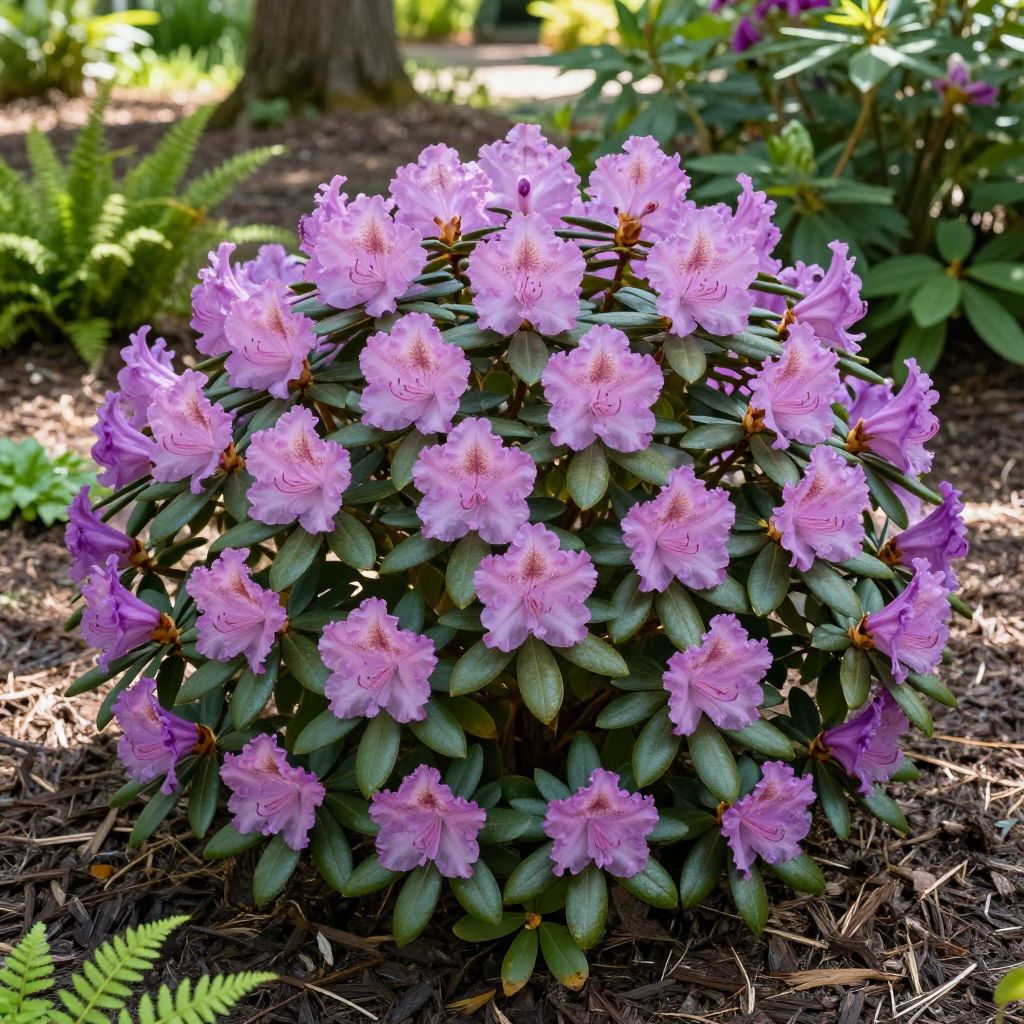
Wondering when do rhododendrons bloom in your garden? The short answer is that most rhododendrons flower in spring, but the exact bloom window depends on the species, cultivar, climate, and local weather. Some open in very early spring, while others bloom in late spring or even into early summer.
If your plant is healthy but not flowering on schedule, the cause is often light, pruning, winter damage, or soil conditions rather than the plant “missing” its season. Knowing what kind of rhododendron you have helps you predict bloom time and improve flowering year after year.
When do rhododendrons bloom?
Rhododendrons usually bloom from early spring through early summer, with many garden varieties peaking in mid-spring. In warmer climates, flowers may open earlier; in cooler regions or at higher elevations, bloom can be delayed by several weeks. Different types also bloom at different times, so the best answer is to match the plant to your local season.
What affects bloom time?
Rhododendron bloom timing is shaped by the plant’s genetics and by weather. A variety bred for early bloom will still flower early, but a cold spring can hold buds back, while a warm spell can bring them on quickly.
Common factors that shift flowering
- Climate zone and elevation: Cooler areas bloom later than mild coastal or lowland gardens.
- Spring temperatures: A mild spring can advance bloom; a late frost can delay or damage buds.
- Sun exposure: More morning sun often encourages better flowering than deep shade.
- Plant age: Young plants may need time to establish before blooming heavily.
- Pruning timing: Cutting off buds in the wrong season can remove the next bloom cycle.
- Stress: Drought, poor drainage, or root damage can reduce flowering.
Typical bloom windows by type
Many evergreen rhododendrons bloom in mid to late spring. Some deciduous azaleas, which are closely related but not the same as rhododendrons in the broad garden sense, often flower a bit earlier or later depending on the variety. If you buy a named cultivar, the nursery tag or plant label is the best source for its usual bloom period.
How to tell if your rhododendron is on schedule
A rhododendron is usually on track if it forms plump flower buds in late summer or fall and then opens them in spring. If buds are present but never open, or if the plant grows leaves but no flowers, the issue is usually cultural rather than seasonal.
Signs your plant is ready to bloom
- Rounded flower buds are visible at shoot tips before winter.
- Bud scales begin to loosen as temperatures warm.
- Leaves look healthy, firm, and deep green for the variety.
- New growth is moderate rather than overly lush and soft.
Signs something is off
- Flower buds turn brown or dry out before opening.
- Leaves are yellowing, scorched, or dropping early.
- The shrub grows vigorously but produces few or no buds.
- Only the lower branches bloom while the top stays bare.
Growing conditions that support better blooming
Rhododendrons bloom best when their roots stay cool, moist, and well aerated. They dislike heavy, waterlogged soil and also struggle in hot, dry sites. Good growing conditions do more for flowering than any quick fix.
Soil and drainage
These shrubs prefer acidic, humus-rich soil with excellent drainage. If your soil is dense clay, improve it with organic matter and plant on a raised bed or slope where water does not sit around the roots.
- Work in composted leaf mold, pine bark fines, or well-aged compost.
- Avoid planting too deeply; the root flare should sit near soil level.
- Mulch with 2 to 3 inches of pine bark, shredded leaves, or similar organic mulch.
Light
Most rhododendrons bloom best in bright filtered light or morning sun with afternoon shade. Too much shade can reduce flower production, while hot afternoon sun can scorch leaves and shorten bloom life.
Watering
Even moisture matters, especially during bud formation and flowering. Water deeply when the top layer of soil begins to dry, but do not keep the root zone soggy. In dry weather, a slow soak is better than frequent shallow watering.
How to encourage blooming without harming the plant
If your rhododendron is healthy but shy to flower, a few simple adjustments can help. The goal is to support bud formation without pushing too much leafy growth.
- Give it the right light. If possible, increase morning sun and avoid deep shade from nearby trees or structures.
- Keep the soil evenly moist. Drought stress during summer can reduce next spring’s buds.
- Refresh mulch each year. Mulch helps moderate soil temperature and conserve moisture.
- Use fertilizer carefully. Too much nitrogen can produce leaves at the expense of flowers.
- Prune only after flowering. This helps avoid removing next year’s buds.
Fertilizer mistakes to avoid
Many gardeners overfeed rhododendrons in hopes of more flowers. In reality, excessive nitrogen can lead to lush growth and fewer blooms. If you fertilize, choose a product made for acid-loving plants and follow the label directions for your specific soil and plant size.
Pruning rhododendrons at the right time
Pruning is one of the most common reasons a rhododendron fails to bloom. Most types set next year’s flower buds soon after this year’s flowers fade, so late pruning can remove the display before it begins.
Best time to prune
Prune lightly right after flowering, before new buds for the next season form. Remove only what is needed: dead wood, crossing branches, and spent flower trusses if you want to tidy the plant.
What to avoid
- Do not shear rhododendrons into tight formal shapes.
- Do not prune heavily in late summer, fall, or winter unless removing damaged wood.
- Do not cut off all the new growth if you want blooms next year.
Why rhododendron buds fail to open
Sometimes the plant forms buds, but they never bloom. This is often due to weather or pest pressure rather than a permanent problem. Identifying the cause helps you protect next year’s display.
Common causes of bud failure
- Frost damage: A late cold snap can kill tender buds.
- Winter desiccation: Cold wind and sun can dry out buds and leaves.
- Bud blast: Buds brown and fail to open, often after stress or poor conditions.
- Vine weevil or other root damage: Damaged roots can weaken flowering.
- Too much shade or too much nitrogen: Both can reduce bloom quality.
What to do if buds are damaged
Remove dead or shriveled buds after danger of frost has passed. Then focus on root health: mulch, water during dry spells, and avoid disturbing the plant. If frost is a recurring issue, choose a more sheltered site with protection from harsh winter sun and wind.
Common pests and diseases that affect flowering
Healthy foliage supports healthy blooms. If your rhododendron is stressed by pests or disease, flowering often suffers the following season.
Problems to watch for
- Lace bugs: Cause speckled leaves and reduced vigor, especially in sunny sites.
- Root rot: Often linked to poor drainage and overwatering.
- Leaf scorch: Brown edges can appear in hot, dry, or windy conditions.
- Powdery mildew or leaf spots: Usually more of a stress signal than a direct bloom killer, but worth addressing.
Simple prevention steps
- Plant in well-drained soil.
- Mulch to keep roots cool.
- Water at the base, not over the foliage.
- Inspect leaves regularly for early signs of pests.
Propagating rhododendrons if you want more plants
If you have a rhododendron that blooms well, you may want more of it. Propagation is usually done from cuttings or layering, but it takes patience and is best attempted when the parent plant is healthy and actively growing.
Best time to propagate
Softwood or semi-ripe cuttings are commonly taken in the growing season, depending on the plant and your climate. Layering can also be done on suitable branches and may take longer, but it is often reliable for home gardeners.
Use clean, sharp tools, a well-draining propagation mix, and gentle humidity. Keep new plants out of harsh sun while they root.
Seasonal care calendar for better blooms
Thinking in seasons makes rhododendron care easier. Instead of forcing a fixed schedule, match your tasks to the plant’s natural cycle and your local weather.
Spring
- Enjoy the flowers and remove only spent trusses if needed.
- Check for frost damage after cold nights.
- Water during dry spells as new growth begins.
Summer
- Keep soil evenly moist, especially in heat.
- Maintain mulch and watch for lace bugs or scorch.
- Avoid heavy pruning once buds for next year begin forming.
Fall
- Reduce stress by watering during dry weather.
- Do not fertilize late unless your local conditions and soil test call for it.
- Protect roots with mulch before winter.
Winter
- Shield plants from drying wind if your site is exposed.
- Check for snow or ice damage on branches.
- Leave buds intact unless they are clearly dead.
Conclusion
When do rhododendrons bloom? Most bloom in spring, but the exact timing depends on the variety and your local climate. For the best display, give your plant acidic, well-drained soil, steady moisture, and the right amount of light, then prune only after flowering. If you want to improve next year’s bloom, start by checking bud health and soil drainage now.
If you’d like to keep learning about flowering shrubs, look for more guidance on acid-loving plant care and pruning spring-flowering shrubs.