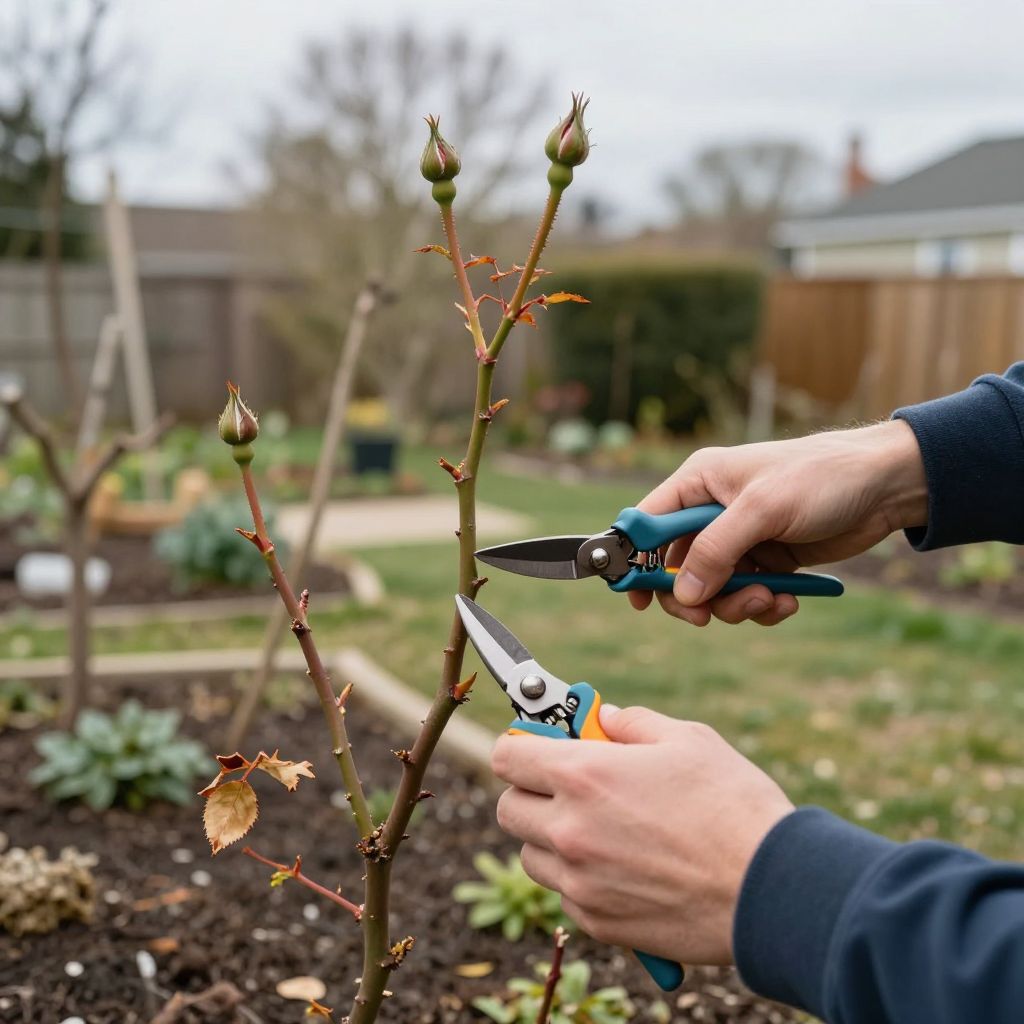
Wondering when is it too late to prune roses? The short answer is: it depends on your climate and the kind of pruning you mean. Light cleanup can often be done almost any time, but hard pruning is best timed for late winter or early spring, before strong new growth starts.
If you prune too late, you may remove buds, delay flowering, or trigger tender growth that gets damaged by heat, frost, or drought. The good news is that roses are forgiving, and with the right timing you can still make smart cuts without harming the plant.
When is it too late to prune roses?
It is usually too late to do major pruning once roses have broken dormancy and are actively pushing new leaves, stems, and flower buds. In many climates, that means after new growth is several inches long in spring. At that stage, limit yourself to deadheading, light shaping, and removing dead or diseased wood.
How to tell whether your rose is ready for pruning
Roses are best pruned when they are dormant or just waking up. The exact timing varies by region, but the plant itself gives you clues.
Good signs it is still the right time
- Leaf buds are swollen but not fully open.
- Stems are still mostly bare or only lightly leafed out.
- You can see the structure of the canes clearly.
- The plant has not yet begun a flush of vigorous new growth.
Signs you are probably too late for hard pruning
- New shoots are several inches long.
- Flower buds are forming on the tips.
- The plant is already blooming.
- Weather has turned hot and dry, or your area is past the last frost window.
If roses are actively growing, avoid severe cuts. You can still tidy them up, but heavy pruning at that stage can remove the season’s flowers and stress the plant.
Best pruning window by season
For most garden roses, the safest time for major pruning is late winter to early spring, just before growth begins. In mild climates, that may be January through March. In colder regions, it may be later, after the worst freezes pass. Local weather matters more than the calendar.
Late winter
This is often the ideal time for structural pruning. The plant is dormant, and you can see the cane framework clearly. Remove dead, damaged, crossing, or weak stems, then shape the plant to encourage strong new growth.
Early spring
Early spring is still acceptable if buds are just swelling. This is a common pruning window for hybrid teas, floribundas, shrub roses, and many repeat bloomers. If you wait until leaves are fully expanded, shift to lighter pruning only.
Late spring and summer
By late spring and summer, major pruning is usually too late. Instead, deadhead spent flowers, trim back broken stems, and remove suckers or diseased canes. Avoid cutting back hard unless you are correcting storm damage or serious disease.
Fall
Fall is generally not the time for hard pruning in cold climates. Fresh cuts can stimulate tender growth that winter may damage. In autumn, focus on cleanup, removing diseased foliage, and shortening long canes only if windbreak or safety is a concern.
What happens if you prune roses too late?
Late pruning does not always kill a rose, but it can reduce flowering and weaken the plant for a while. The main risk is that you remove developing buds or force new growth at the wrong time of year.
- Fewer blooms: You may cut off the buds that would have opened soon.
- Delayed flowering: The plant spends energy replacing growth instead of blooming.
- Sunburn or frost damage: Tender new shoots can be exposed to harsh weather.
- Stress: Repeated heavy pruning can weaken an already struggling rose.
That said, roses are resilient. If you missed the ideal window, a conservative approach is usually better than leaving dead or diseased wood in place.
What you can still do if it is too late to prune hard
If your rose has already leafed out or started blooming, switch from structural pruning to maintenance pruning. This keeps the plant healthy without setting it back too much.
- Remove dead, blackened, or broken canes first.
- Cut out diseased stems back to healthy tissue.
- Deadhead spent flowers by cutting to the first strong five-leaflet leaf.
- Thin crowded growth lightly to improve airflow.
- Shorten only the longest, awkward stems if needed for shape or support.
Make small cuts rather than a major reset. If you are unsure, prune less now and wait for the proper dormant season to do the bigger shaping.
How much to prune, depending on rose type
Different roses respond differently to pruning, so timing and intensity matter. If you know the type, you can avoid overdoing it.
Hybrid tea and floribunda roses
These are commonly pruned in late winter or early spring. If you are late, keep cuts light and remove only weak or dead growth. Once the plant is actively growing, deadheading and cleanup are safer than hard shortening.
Shrub roses
Many shrub roses need less severe pruning overall. If you missed the best timing, you can still remove dead stems and lightly shape the plant. Save major renewal pruning for dormancy.
Climbing roses
Climbers are often pruned differently from bush roses. Main canes are usually trained and tied, while side shoots are shortened. If it is late, avoid cutting away the long framework canes unless they are dead or badly placed.
Old garden roses and once-blooming types
These often bloom on old wood, so late pruning can remove next season’s flowers. If you are not sure what you have, prune conservatively and learn the rose’s bloom habit before making major cuts.
Pruning roses safely and correctly
Good tools and clean cuts help prevent disease and reduce stress. Sharp bypass pruners are usually enough for most canes, while loppers help with thicker stems. For very old woody canes, a pruning saw may be useful.
Basic pruning steps
- Clean your tools before you start.
- Remove dead, damaged, or diseased wood first.
- Cut about 1/4 inch above an outward-facing bud.
- Make cuts at a slight angle so water sheds off.
- Open the center of the plant enough for air movement.
Try not to leave long stubs, which can die back and invite disease. Also avoid cutting too close to the bud, which can damage it.
Common mistakes to avoid
Many pruning problems come from being too aggressive or pruning at the wrong time. A few simple habits can prevent most issues.
- Do not hard-prune in late summer or fall unless you have a specific reason and a mild climate.
- Do not cut all canes to the same height unless that suits the rose type and your goal.
- Do not prune during wet weather if you can avoid it, especially if disease is already present.
- Do not ignore dead or diseased wood just because the season is late.
- Do not remove too much foliage from a stressed rose in hot weather.
How climate affects pruning timing
Your local climate matters more than a fixed date. In colder areas, wait until the worst freezes have passed. In warmer regions, roses may begin growing earlier, so pruning can happen sooner. Coastal and mild-winter gardens may need earlier pruning than inland gardens with hard frosts.
If you garden in a place with unpredictable spring weather, watch the plant rather than the calendar. Prune when buds are swelling but before long shoots have formed.
After pruning care
Roses recover better when they have steady moisture, good airflow, and enough light. After pruning, water deeply if the soil is dry, but do not keep the root zone soggy. A layer of compost or organic mulch can help conserve moisture and moderate soil temperature.
- Keep mulch a few inches away from the crown.
- Remove fallen leaves that may harbor disease.
- Watch for aphids, black spot, powdery mildew, and cane dieback.
- Feed only if your soil and season call for it; avoid pushing soft growth late in the year.
If a rose looks weak after late pruning, give it time. Healthy roots and steady care often help it rebound with the next growth cycle.
When to skip pruning altogether
Sometimes the best choice is to wait. If a rose is newly planted, severely drought-stressed, frost-damaged, or recovering from disease, heavy pruning can add more stress. In those cases, remove only obviously dead or broken wood and let the plant stabilize first.
For very old, neglected roses, it is often better to renovate gradually over more than one season rather than cutting everything back at once.
Conclusion: the safest rule for late pruning
If you are asking when is it too late to prune roses, use this rule: once the plant is actively growing, keep pruning light. Save hard pruning for dormancy or very early spring, and use deadheading and cleanup if you missed the window. When in doubt, prune less now and shape more next season.
For more practical rose care, you may also want to read about how to prune roses correctly and rose pruning guidance from the RHS.