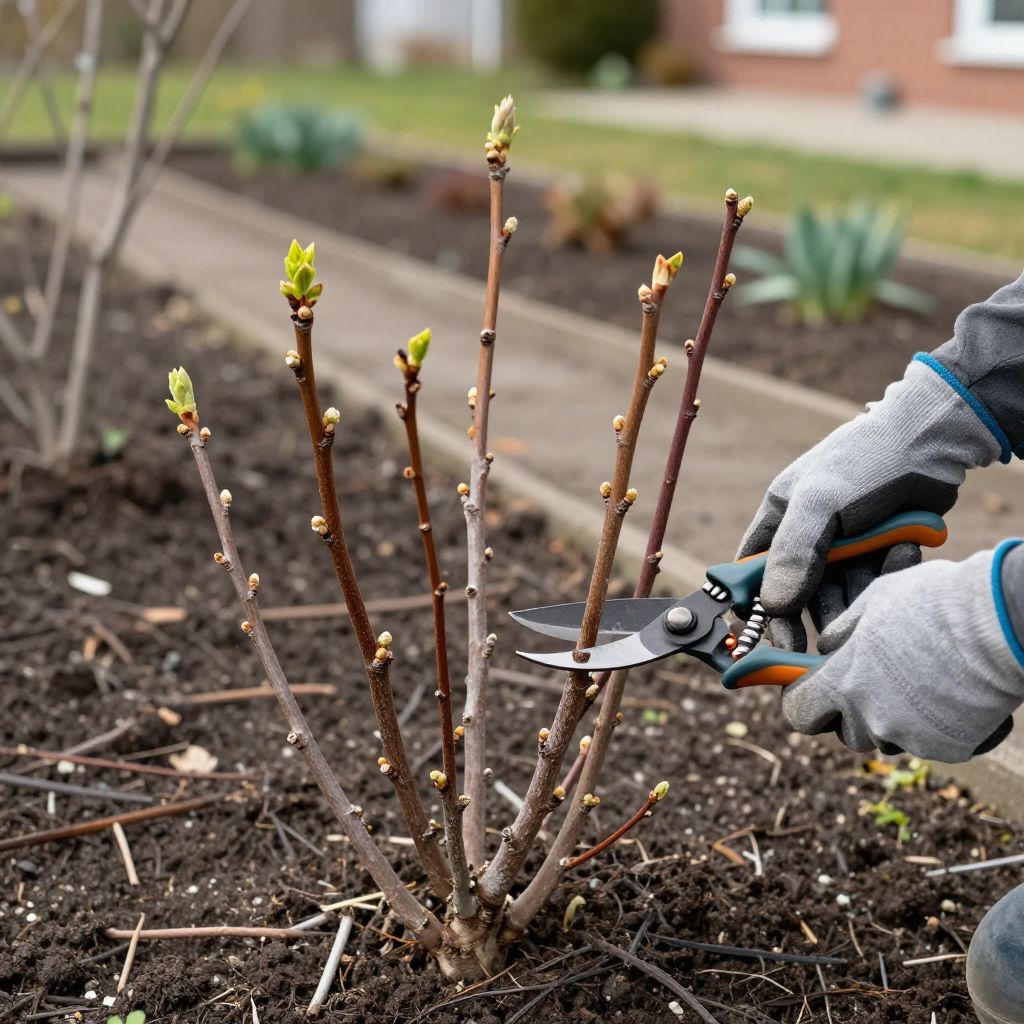
When should you prune butterfly bush? The short answer is late winter to early spring, just as new growth begins to swell but before strong shoots get underway. That timing helps butterfly bush recover quickly and bloom well on fresh wood.
Pruning at the right time also keeps the shrub from getting leggy, woody, or too large for its space. If you’ve been unsure whether to cut it back hard or lightly, the best approach depends on your climate, the plant’s age, and how much winter damage it has taken.
When to prune butterfly bush?
Prune butterfly bush in late winter or early spring, after the worst cold has passed and before active growth starts. In mild climates, this may be very early spring; in colder areas, wait until you can see swelling buds or the first green shoots. Avoid pruning hard in fall, because tender new growth can be damaged by winter weather.
Why timing matters for butterfly bush
Butterfly bush, usually Buddleja davidii and related types, flowers on new growth. That means the stems it makes after pruning are the ones that carry the season’s blooms.
Pruning too early in a cold climate can expose fresh cuts and buds to frost. Pruning too late can remove developing shoots and delay flowering.
The best seasonal window
- Late winter to early spring: the ideal time in most gardens.
- After the last hard frost: safest in colder regions.
- Before vigorous growth begins: helps the plant redirect energy into strong new stems.
How hard should you prune butterfly bush?
Most butterfly bushes benefit from a fairly strong annual cutback. A common approach is to reduce the plant to about 12 to 24 inches tall, or to a framework of healthy stems with several buds left on each stem. For older, overgrown shrubs, you may need to remove some of the oldest stems at the base to renew the plant.
How much you cut depends on the plant’s condition and your goal. A young plant may only need shaping, while a mature shrub that has become woody often needs a harder renewal prune.
Simple pruning goals
- Shape the shrub: shorten long stems and keep a rounded form.
- Encourage flowering: cut back to stimulate fresh, bloom-bearing growth.
- Control size: prevent the shrub from becoming too tall or floppy.
- Renew old plants: remove weak, crowded, or dead wood.
Step-by-step pruning guide
- Wait for the right season. Prune in late winter or early spring, not during a warm spell in fall.
- Inspect the plant. Look for dead, broken, crossing, or very thin stems.
- Sterilize your pruners. Clean blades help reduce disease spread, especially if you are removing damaged wood.
- Cut back to healthy buds. Make cuts just above a pair of outward-facing buds or a strong side shoot.
- Remove weak stems. Thin out crowded growth so air and light can reach the center.
- Step back and check shape. Aim for an open, balanced framework rather than a tight ball.
What tools to use
- Hand pruners: for stems up to about pencil thickness.
- Loppers: for thicker woody stems.
- Pruning saw: for very old, thick stems that loppers cannot cleanly cut.
What to do if your butterfly bush was damaged by winter
Winter dieback is common in colder gardens. Don’t rush to cut everything down in early winter, because the top growth can help protect the plant below. Wait until spring to see what is truly dead.
In spring, scratch the bark lightly with a fingernail or knife. Green tissue underneath usually means the stem is alive. Brown, dry tissue suggests dead wood and can be removed.
How to handle dead stems
- Cut dead stems back to live wood or to the base.
- If the entire top is dead but the roots are alive, prune hard and let the shrub regrow.
- If no green tissue is found anywhere, the plant may not have survived winter.
Common pruning mistakes to avoid
Butterfly bush is forgiving, but a few mistakes can reduce flowering or weaken the plant.
- Pruning in fall: encourages tender growth that may be killed by frost.
- Leaving too much old wood: can lead to a leggy, sparse shrub.
- Cutting at the wrong time in spring: may remove swelling buds and delay bloom.
- Using dull tools: makes ragged cuts that heal slowly.
- Removing too much green growth on a weak plant: can stress a shrub that is already struggling.
How climate affects pruning time
Your local climate matters more than the calendar. In mild regions, butterfly bush may start growing early, so pruning can happen sooner. In colder areas, wait until the danger of severe frost has mostly passed.
If you garden in a place with unpredictable late freezes, it is safer to prune a little later than too early. A slightly delayed prune is usually less harmful than cutting back right before a cold snap.
Use the plant, not the date, as your guide
- Look for swelling buds.
- Watch for the first signs of new shoots.
- Check the weather forecast before making large cuts.
Can you deadhead butterfly bush during the season?
Yes. Removing spent flower spikes during summer can tidy the plant and may encourage more blooms, depending on the variety and growing conditions. Deadheading is different from the main annual prune; it is a light maintenance task rather than a structural cutback.
If you deadhead, snip the faded flower cluster back to a pair of leaves or a side shoot. This keeps the shrub looking neat without forcing major regrowth at the wrong time.
How pruning fits into overall butterfly bush care
Good pruning works best when the shrub has the right growing conditions. Butterfly bush generally flowers best in full sun and well-drained soil. If the plant is sitting in heavy, soggy ground, it may grow weakly and become more prone to dieback.
After pruning, keep the plant evenly watered while new shoots develop, especially during dry weather. A light layer of compost around the root zone can support growth, but avoid piling mulch against the stems.
Helpful care reminders
- Plant in a sunny location for stronger flowering.
- Use soil that drains well to reduce root stress.
- Water deeply during dry spells, especially after pruning.
- Keep mulch a few inches away from the crown.
When an older butterfly bush needs renewal pruning
Older shrubs often become crowded with thick, woody stems and fewer flowers. Renewal pruning can help restore vigor. Remove a portion of the oldest stems at ground level, then shorten remaining stems to encourage fresh growth from lower buds.
If the shrub is very overgrown, you may need to spread this work over one or two seasons rather than cutting everything back at once. That gentler approach can reduce stress on the plant.
Signs renewal pruning may help
- Few flowers despite lots of leafy growth.
- Long, arching stems with bare lower sections.
- Dead or weak wood in the center of the shrub.
- A plant that has outgrown its space.
Propagation and cleanup after pruning
If you have healthy prunings, you may be able to use a few soft, flexible stem pieces for propagation, depending on the season and your skill level. More commonly, the cut material is simply cleaned up and composted if it is disease-free.
Always remove and discard obviously diseased or pest-infested stems rather than composting them. Clean up fallen debris around the base so the plant starts the season with better airflow and less hiding space for pests.
Quick answer for busy gardeners
If you only remember one thing, remember this: prune butterfly bush in late winter or early spring, just before new growth starts. Cut it back hard enough to encourage fresh stems, but not so early that frost can damage tender regrowth.
For related care, you may also want to read about choosing the best sunny site and improving drainage for flowering shrubs so your butterfly bush grows back stronger after pruning.