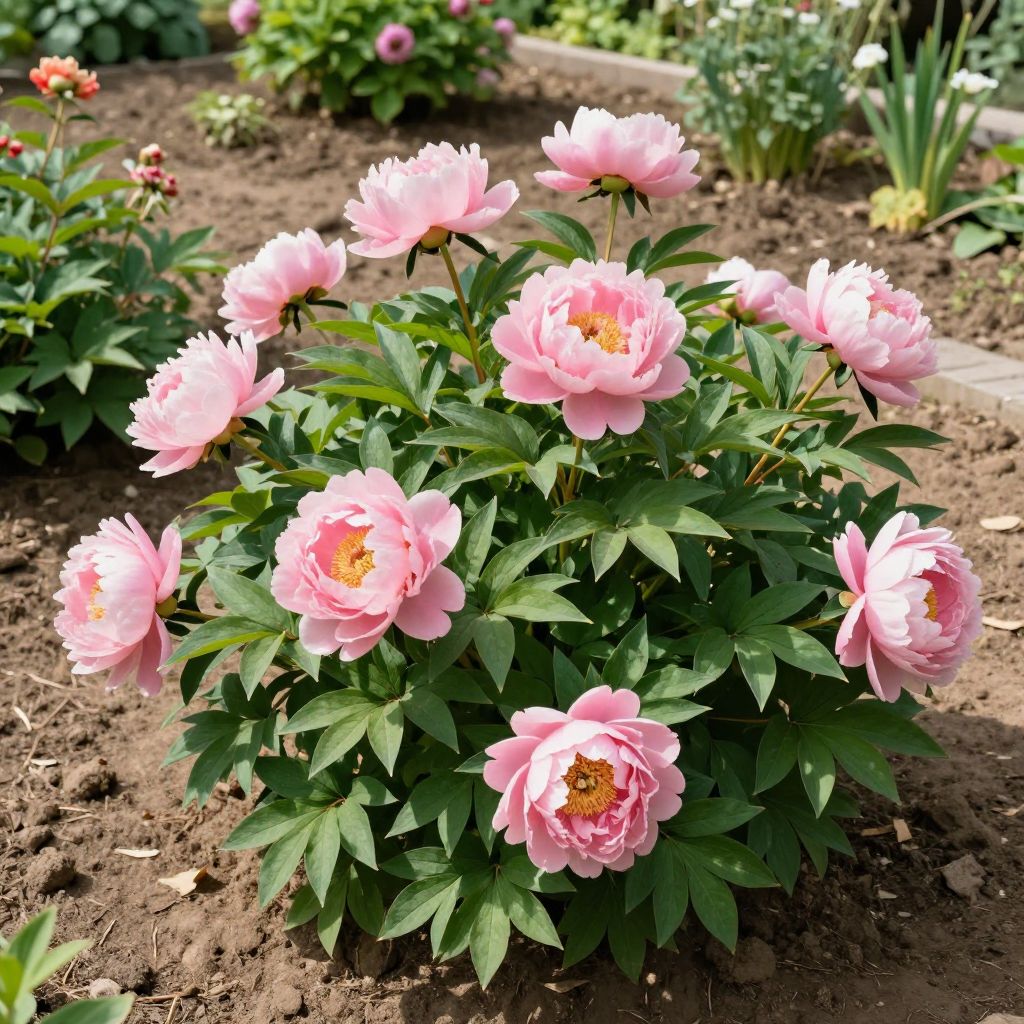
Do peonies need full sun? In most gardens, yes—peonies bloom best with plenty of direct light. They can survive in a little shade, but too little sun usually means fewer flowers, weaker stems, and more disease problems. The good news is that with the right site and soil, peonies are long-lived, low-maintenance perennials.
If you’re trying to decide where to plant them, the key is balancing sunlight with protection from intense afternoon heat in very warm climates. A bright, open spot with good drainage is usually the best choice for healthy growth and reliable blooms.
Do peonies need full sun?
Yes, peonies generally need full sun for the best flowering, which means at least 6 hours of direct sunlight per day. In cooler regions, more sun is usually better. In hotter climates, peonies may do well with morning sun and light afternoon shade, especially if the site stays cool and well drained.
How much sun peonies really need
Peonies are classic sun-loving perennials, but they are more flexible than many gardeners expect. The ideal amount of light depends on your climate, the type of peony, and how hot your summers get.
Best light conditions for peonies
- Full sun: 6 or more hours of direct sun daily, best for flowering.
- Partial sun: 4 to 6 hours of direct sun, often acceptable but may reduce bloom count.
- Light shade: Usually enough for survival, but not ideal for strong flowering.
If peonies get too little light, they often grow tall and floppy as they stretch toward the sun. You may also notice fewer buds, smaller flowers, and more mildew or botrytis because the foliage stays damp longer.
Morning sun vs. afternoon sun
Morning sun is especially valuable in warmer regions because it dries dew quickly and helps reduce fungal disease. Afternoon shade can be helpful where summers are intense, but too much shade in any climate usually means fewer blooms.
As a rule, aim for the brightest site you can give them without exposing them to harsh reflected heat from walls, paving, or fences that can bake the soil.
What happens if peonies don’t get enough sun?
Insufficient light is one of the most common reasons peonies disappoint gardeners. The plant may still look healthy, but bloom production drops noticeably.
Common signs of too little sun
- Few or no flower buds
- Leggy stems that flop over
- Smaller flowers than expected
- Delayed blooming
- More powdery mildew or leaf spotting
- Pale foliage and weak overall growth
If your peony is already planted in shade, don’t assume fertilizer will fix the problem. More nutrients cannot replace missing sunlight. In many cases, the best solution is to move the plant to a sunnier location during dormancy.
Can peonies grow in partial shade?
Yes, peonies can grow in partial shade, but they usually bloom best in more light than that. A site with bright morning sun and filtered afternoon shade may work, especially in hot climates or under open deciduous trees that leaf out later in spring.
Partial shade is more likely to be successful if the peony is planted in rich, well-drained soil and has enough air circulation. Even then, expect fewer blooms than a plant grown in full sun.
When partial shade may be acceptable
- You garden in a very hot summer climate
- The plant gets at least 4 to 6 hours of direct sun
- The shade is light and temporary, not dense all day
- The soil drains well and does not stay soggy
Choosing the right planting site
Because peonies can live for many years in the same place, site selection matters more than almost anything else. A poor location is hard to correct later, so it pays to choose carefully.
What to look for in a peony site
- Sun exposure: Choose a bright, open spot with at least 6 hours of direct light.
- Drainage: Pick ground that drains well after rain. Peonies dislike wet feet.
- Air movement: Good airflow helps reduce fungal disease.
- Space: Leave room for mature growth and easy access for staking and cleanup.
- Protection from competition: Avoid planting too close to large shrubs or tree roots.
If you are planting near a wall, fence, or building, remember that nearby structures can cast shade for part of the day. Watch the area at different times before you plant so you know how much sun it truly gets.
Soil and drainage matter as much as sunlight
Even with perfect sun, peonies struggle in heavy, waterlogged soil. They prefer fertile, deep soil that drains well but still holds some moisture.
Good soil conditions for peonies
- Loose, workable soil that roots can penetrate easily
- Moderate fertility rather than excessive nitrogen
- Neutral to slightly acidic to slightly alkaline soil, depending on local conditions
- No standing water after rain
Before planting, improve the bed with compost if the soil is poor, but avoid making the planting hole a “bathtub” of loose amendment in heavy clay. That can trap water around the roots. It is usually better to improve a broader area of soil and ensure the site drains well.
Simple drainage test
Dig a hole about 12 inches deep and fill it with water. If water remains for many hours or into the next day, drainage is likely too slow for peonies unless you raise the bed or improve the site substantially.
How to plant peonies for the best bloom
Planting depth is a major factor in flowering. Peonies planted too deep often grow leaves but fail to bloom well, even in full sun.
Planting tips that help peonies flower
- Choose a sunny, well-drained location.
- Set the crown so the buds are shallowly covered, not buried deeply.
- Space plants so air can move freely around them.
- Water thoroughly after planting, then keep the soil evenly moist while roots establish.
- Mulch lightly, but do not pile mulch against the crown.
A common mistake is planting peonies too deep in rich soil and then wondering why they never bloom. If your peony is mature and healthy but flowerless, depth and light are the first two things to check.
Watering and feeding in sunny spots
Full sun can dry soil faster, so peonies in bright sites may need more attention during establishment and during hot, dry spells. That does not mean they want constant wet soil.
Watering guidance
- Water deeply when the top layer of soil begins to dry.
- Focus on consistent moisture during active growth and bud formation.
- Avoid frequent shallow watering, which encourages weak roots near the surface.
- Reduce watering once the plant is established and weather is mild.
For feeding, compost is often enough in a reasonably fertile garden. Too much nitrogen can produce lush leaves at the expense of flowers and can make stems even floppier in bright, fast-growing conditions.
Best maintenance habits
- Add a light layer of compost in spring if the soil is poor.
- Use a balanced, restrained approach to fertilizing if your soil test suggests a need.
- Keep mulch thin and away from the crown.
Pruning, staking, and seasonal care
Sunlight affects how fast peonies grow, which can influence how much support they need. In rich soil and full sun, stems may grow tall and heavy with buds.
Practical support and cleanup
- Use peony rings or discreet stakes before stems flop.
- Remove spent blooms if you want a tidier plant, but don’t cut back healthy foliage too early.
- In fall, cut back dead stems after frost or when foliage has naturally declined.
- Clean up fallen leaves to reduce disease carryover.
Good air circulation and clean fall cleanup are especially important if your peonies are in a partly shaded site, where leaves may dry more slowly after rain or morning dew.
Common pests and diseases linked to shade
While peonies are not especially pest-prone, poor light and poor airflow can make disease more likely. Shade, crowding, and wet foliage are the usual culprits.
Problems to watch for
- Powdery mildew: More likely when air circulation is poor and plants are shaded.
- Botrytis blight: Can affect buds, stems, and foliage in cool, damp conditions.
- Ants on buds: Usually harmless and not a sign of disease.
- Floppy stems: Often caused by too little sun, too much nitrogen, or both.
If disease appears, remove affected plant material promptly and improve airflow. If a peony is repeatedly diseased in a shady, crowded spot, relocating it to a sunnier, breezier site is often the most effective long-term fix.
Should you move a peony to a sunnier spot?
If your peony has been in shade for years and rarely blooms, moving it may be worth the effort. Peonies transplant best when they are dormant, and they often need a season or two to settle in again after being moved.
Signs relocation may help
- It gets less than 4 hours of direct sun
- Nearby trees or shrubs have grown and now shade it heavily
- The plant is healthy but blooms poorly year after year
- The soil stays damp or the site has poor airflow
When moving an established peony, dig widely to preserve as many roots as possible, and replant it at the proper depth in a brighter, better-drained spot. Be patient after transplanting; peonies often take time to reestablish before blooming well again.
Best answer in one sentence
Do peonies need full sun? Yes—full sun is best for abundant blooms, but in hot climates they can benefit from light afternoon shade as long as they still receive several hours of direct morning sun.
If you’re planning a peony bed, start by checking sunlight at different times of day and making sure the soil drains well. For more practical plant-care guidance, you may also want to read related gardening advice on perennial flower care and how to improve garden soil drainage.