Wondering when to plant hollyhock seeds so they grow into tall, flower-covered stems instead of weak, disappointing plants? Timing matters with hollyhocks because these biennials and short-lived perennials need the right start to build strong roots before they bloom.
The best planting time depends on your climate and whether you’re sowing indoors or outside. In most gardens, hollyhock seeds are sown in late spring to early summer for blooms the following year, or in late summer to early fall where winters are mild.
When to plant hollyhock seeds?
Plant hollyhock seeds outdoors in late spring through midsummer in most climates, or sow them in late summer to early fall in mild-winter areas. You can also start seeds indoors 6 to 8 weeks before your last frost date. The goal is to give seedlings time to establish before extreme heat, cold, or transplant stress.
Understanding hollyhock growth before you sow
Hollyhocks (Alcea rosea) usually form a leafy rosette the first season and flower the second. That means the planting date affects not just germination, but whether the plant has enough time to make a strong root system before winter or summer stress.
Because of that growth pattern, many gardeners think they “missed” the season when seedlings don’t bloom the first year. In reality, that is normal for most hollyhocks.
Why timing matters
- Too early: young seedlings can be damaged by frost or cold, wet soil.
- Too late: plants may not establish before heat, drought, or winter arrives.
- Right time: seedlings develop sturdy roots and a healthy rosette for future flowering.
Best planting times by season
Spring sowing
Spring is a reliable choice in most regions. Sow hollyhock seeds after the danger of hard frost has passed and the soil is workable. In cool climates, this may be late spring; in warmer areas, it may be earlier.
Spring sowing works especially well if you want to start plants from seed and then transplant them into their final position once they are established.
Summer sowing
In many climates, early to midsummer is an excellent time to sow hollyhocks outdoors. Warm soil helps germination, and seedlings can grow into strong rosettes before winter.
This is often the best option if you want flowers the following year and your summers are not extremely hot and dry.
Fall sowing in mild climates
If your winters are gentle, late summer to early fall can be a good sowing window. Seeds may germinate in warm soil and settle in before cold weather slows growth.
Fall sowing is less suitable in areas with harsh winters, where young plants may not survive without protection.
Should you start hollyhock seeds indoors or outdoors?
Both methods can work. Direct sowing is often easiest because hollyhocks develop a long taproot and dislike unnecessary root disturbance. Indoor sowing is useful if your growing season is short or you want more control over germination.
Direct sowing outdoors
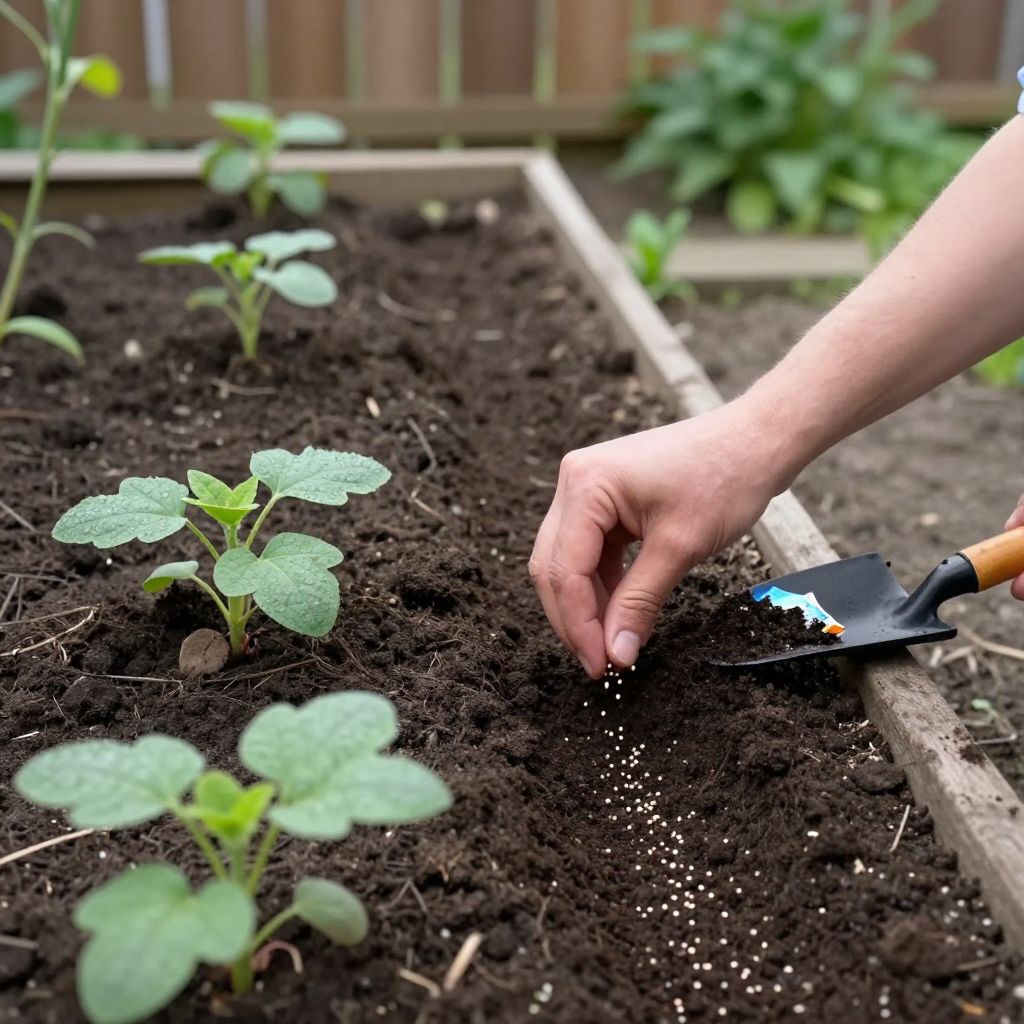
This is the simplest method and often the most successful. Choose a sunny spot with well-drained soil, loosen the top layer, and sow seeds lightly on the surface or cover them very thinly with soil.
Keep the area evenly moist until germination. Hollyhock seeds usually sprout in about 10 to 21 days, depending on temperature and moisture.
Starting seeds indoors
If you start seeds indoors, use deep pots or cell packs to accommodate the taproot. Sow seeds about 1/4 inch deep in a quality seed-starting mix and keep them in bright light.
Transplant carefully as soon as seedlings are large enough to handle. Avoid letting roots circle in the container, and disturb the root ball as little as possible.
How to plant hollyhock seeds step by step
- Choose a spot with full sun and room for tall stems.
- Prepare soil that drains well and is not overly rich.
- Remove weeds and loosen the top 6 to 8 inches of soil.
- Sow seeds thinly, spacing them so seedlings can be thinned later.
- Cover lightly with soil or press them gently into the surface.
- Water carefully so the soil stays moist but not soggy.
- Thin seedlings once they have a few true leaves.
If you’re planting several hollyhocks, leave enough space for air movement. Good spacing helps reduce fungal disease later on.
Growing conditions hollyhocks prefer
Sunlight
Hollyhocks grow best in full sun, which means at least 6 hours of direct light daily. In hot climates, a little afternoon shade can help prevent stress, but too much shade leads to weak stems and fewer flowers.
Soil
These plants prefer fertile, well-drained soil. They do well in average garden soil improved with compost, but they do not like waterlogged ground.
Avoid heavy, compacted soil if possible. If drainage is poor, work in organic matter and consider raised beds or mounded rows.
Compost and fertility
A modest amount of compost can improve soil structure and support steady growth. Avoid overfeeding with high-nitrogen fertilizer, which can produce lush leaves but fewer flowers and weaker stems.
Watering and early care after planting
Keep the seedbed evenly moist until germination, then water when the top inch of soil begins to dry. Young hollyhocks need consistent moisture, but mature plants are more tolerant of brief dry periods.
Water at the base rather than overhead when possible. Wet foliage can encourage rust and other leaf diseases, especially in humid weather.
Mulching
A light mulch can help conserve moisture and suppress weeds once seedlings are established. Keep mulch a little away from the stem to avoid rot and pest hiding spots.
What to expect in the first year
Do not be alarmed if your hollyhocks stay low and leafy the first season. Many plants form a basal rosette and then flower the next year.
If you sow too late in the season, seedlings may remain small going into winter. In that case, protect them lightly with mulch in cold regions, or let them overwinter naturally if your climate is mild enough.
Common mistakes to avoid
- Sowing too deep: hollyhock seeds need only light coverage.
- Overwatering: soggy soil can rot seeds and seedlings.
- Transplanting too roughly: the taproot does not like disturbance.
- Planting in shade: weak stems and poor flowering are common.
- Overcrowding: crowded plants dry slowly and are more disease-prone.
Pests and diseases to watch for
Hollyhocks are famous for rust, a fungal disease that causes orange-brown spots on the undersides of leaves. Good spacing, sun, and careful watering help reduce the risk.
Other possible problems include aphids, Japanese beetles, and chewing insects. Check leaves regularly, especially in warm weather, and remove damaged foliage when needed.
Simple prevention tips
- Plant in full sun with good air circulation.
- Water at soil level, not over the leaves.
- Remove fallen leaves and old plant debris.
- Thin seedlings so plants are not crowded.
How to keep hollyhocks blooming well
Once established, hollyhocks benefit from staking in windy areas, especially tall varieties. A discreet stake or support ring can prevent stems from bending or snapping.
Deadhead spent flowers if you want to limit self-seeding and encourage a tidier appearance. If you want hollyhocks to reseed naturally, leave some flower spikes to mature.
Saving seeds
After flowering, seed pods dry on the stem. Collect them when they turn brown and begin to split, then store the seeds in a cool, dry place.
Saved seed can be a simple way to keep a favorite planting going, though offspring may vary if the plants are not true-to-type cultivars.
Best planting strategy for your climate
If you have a short growing season, start seeds indoors or sow outdoors as soon as the soil warms in spring. If you live in a mild climate, late summer or early fall sowing may give you stronger plants by the following year.
The safest approach is to watch your local frost dates, soil temperature, and rainfall pattern. Hollyhocks respond better to local conditions than to a fixed calendar date.
Final tip for success
If you remember only one thing about when to plant hollyhock seeds, make it this: sow them when the soil is workable and the seedlings have enough time to establish before harsh weather. Start with a sunny, well-drained site, and you’ll give your hollyhocks the best chance to thrive.
If you’d like to plan more cottage-style flowers for the same bed, you may also enjoy reading about how to grow foxgloves from seed and when to plant delphinium seeds.