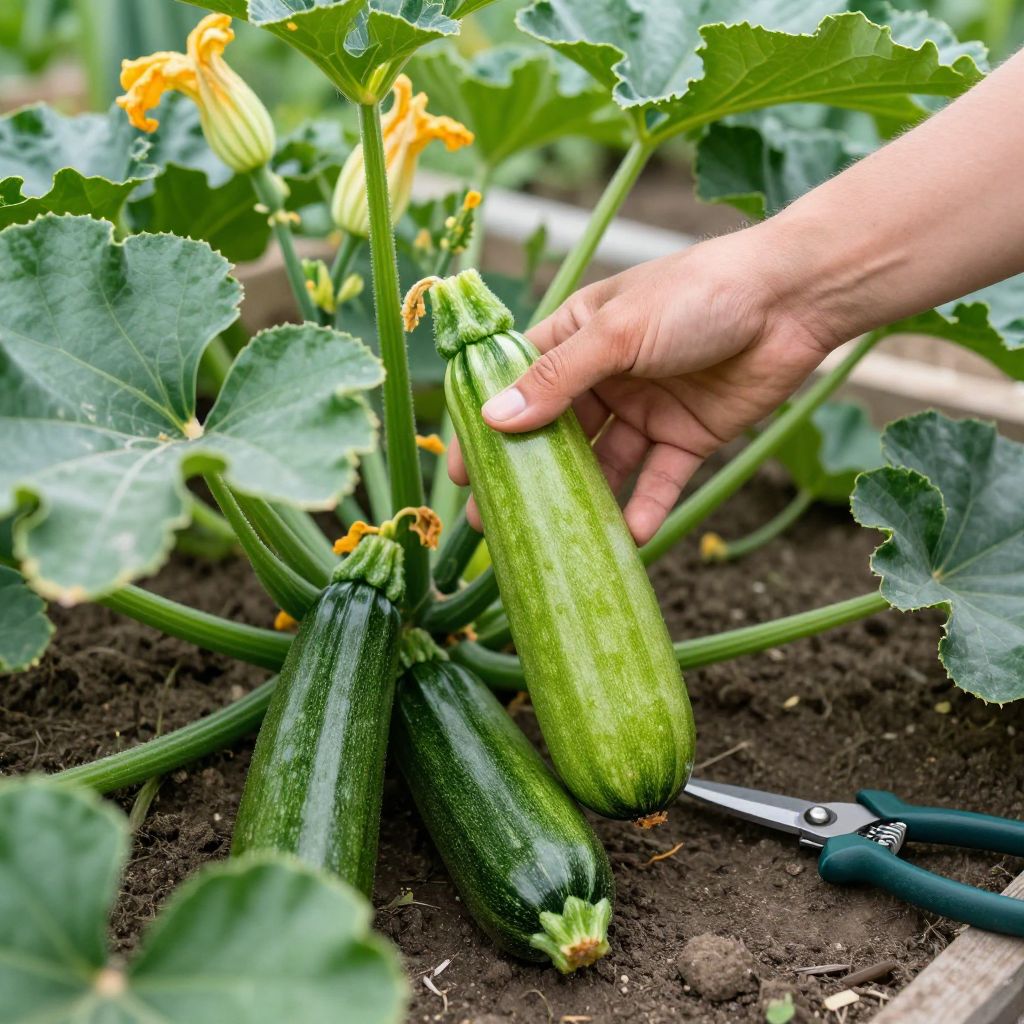
Wondering when to pick zucchini so it tastes tender instead of oversized and watery? The timing matters more than many gardeners expect, because zucchini can go from perfect to too large in just a few days during warm weather.
The good news is that harvest is easy once you know what to look for. With a few visual cues and a little regular checking, you can pick zucchini at the best stage for flavor, texture, and continued production.
When to pick zucchini?
Pick zucchini when the fruits are young, glossy, and tender, usually about 6 to 8 inches long for many green types. Harvest sooner in hot weather, because zucchini can enlarge very quickly. The skin should still be soft enough to dent slightly with a fingernail, and the seeds inside should be small and undeveloped.
How to tell zucchini is ready to harvest
Zucchini is best harvested before it becomes oversized. The exact size depends on the variety and your preference, but younger fruits are usually more flavorful and less seedy.
Signs your zucchini is ready
- Length: Often 6 to 8 inches for standard types, though some gardeners prefer even smaller fruits.
- Skin: Smooth, shiny, and easy to pierce slightly with a fingernail.
- Color: Even, healthy color without dull patches or hardening.
- Seeds: Still soft and small when cut open.
- Texture: Firm but not woody.
Signs you waited too long
- Skin becomes dull, thick, or hard to cut.
- Seeds become large and spongy.
- The fruit feels heavy for its size and may look swollen.
- Flavor turns bland, watery, or slightly bitter.
How often should you check zucchini plants?
Check plants every day or every other day once they begin producing. In warm weather, zucchini can double in size very quickly, so a fruit that looks perfect in the morning may be overgrown by the weekend. Frequent harvesting also encourages the plant to keep flowering and setting new fruit.
Best time of day to harvest zucchini
Morning is usually the best time to pick zucchini. The fruit is cooler, firmer, and less stressed from afternoon heat. That said, if a zucchini is at the right size, it is better to harvest it promptly than to wait for a cooler time and let it overgrow.
How to harvest zucchini without damaging the plant
Zucchini stems can be tough, so use a clean cutting tool rather than twisting the fruit off. Pulling or snapping can tear the vine and stress the plant.
- Inspect the fruit and choose one at the right size.
- Hold the fruit gently near the stem.
- Use clean pruning shears, scissors, or a sharp knife.
- Cut the stem a short distance above the fruit, leaving a small stub.
- Place the harvest in a basket or crate to avoid bruising.
Tip: Wear gloves if the stems are prickly, especially on older plants.
What affects when to pick zucchini?
Harvest timing depends on weather, variety, and how often you inspect the plants. Warm temperatures speed up growth, while cooler conditions slow it down. Some varieties are naturally longer or more slender, so always compare size with the plant’s normal fruit shape rather than using size alone.
Climate and weather
Hot spells can turn a small zucchini into a giant one in a very short time. After rain and warm nights, growth may be especially fast, so increase harvest checks during peak summer.
Variety differences
Round zucchini, yellow summer squash, and striped types may have different ideal harvest sizes. If you are growing a new variety, look for the same signs of tenderness: glossy skin, small seeds, and firm flesh.
Plant age and vigor
Young, healthy plants often produce quickly and abundantly. If a plant is stressed by poor soil, drought, or pests, fruit may develop unevenly or more slowly, but the harvest cue is still tenderness rather than age alone.
What happens if you leave zucchini on the plant too long?
Overgrown zucchini are still edible in some cases, but they are usually less enjoyable. The flesh becomes more watery or spongy, the seeds enlarge, and the skin toughens. Large fruits also signal the plant to slow down production, which can reduce your overall harvest.
Common problems with oversized zucchini
- Lower eating quality
- Harder skin and larger seeds
- Reduced flowering and fruit set
- More hiding places for pests and rot if fruit rests on damp soil
How to keep zucchini producing longer
Regular harvesting is one of the best ways to extend the season. Once plants start producing, remove fruits promptly and keep vines healthy with consistent care.
- Water deeply and consistently so the plant does not stall during dry spells.
- Keep fruit off wet soil when possible to reduce rot and pest damage.
- Remove any damaged or diseased leaves to improve airflow.
- Watch for pests such as squash bugs and cucumber beetles, which can weaken plants.
- Harvest often so the plant keeps setting new blossoms.
Growing conditions that help zucchini reach harvest size well
Zucchini grows best in full sun and rich, well-drained soil. Good growing conditions help fruits size up evenly and reduce stress that can affect harvest timing.
Soil and compost
Work compost into the planting area before sowing or transplanting if your soil is poor or heavy. Zucchini prefers fertile soil that holds moisture but drains well enough that roots do not sit in water.
Watering
Water at the base of the plant when the top layer of soil begins to dry. Uneven watering can lead to stressed plants and poor fruit development. Try to keep moisture steady, especially while fruits are forming and enlarging.
Sunlight
Give zucchini plenty of direct sun. Shaded plants often grow more slowly and may produce fewer fruits, which can make harvest timing less predictable.
Common harvesting mistakes to avoid
Most zucchini harvest problems come from waiting too long or checking too infrequently. A few simple habits can prevent that.
- Do not judge by length alone. Some varieties are naturally longer or shorter.
- Do not let fruit hide under large leaves for days without checking.
- Do not twist hard to remove fruit from the vine.
- Do not leave oversized fruit on the plant if you want continued production.
- Do not ignore plants during hot weather, when growth speeds up.
Can you eat zucchini that is too big?
Yes, but the quality is usually lower. Very large zucchini are often best used when you do not mind a firmer texture and larger seeds. For the best eating experience, though, pick them young and tender.
If you want to improve your harvests even more, it helps to learn how zucchini grows from flower to fruit and how to spot early pest or disease issues before they affect production. Keeping an eye on plant health will make it much easier to know when to pick zucchini at its best.