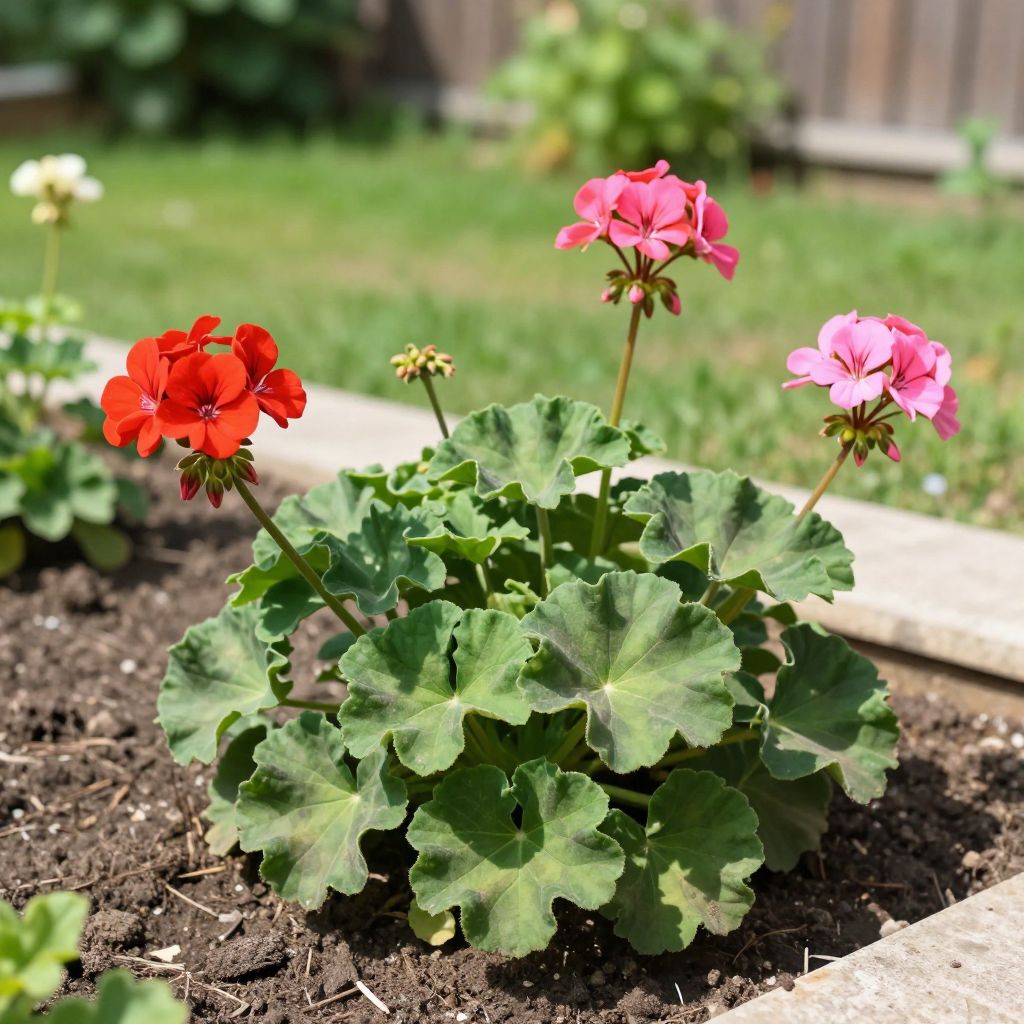
Do geraniums need full sun? In most gardens, yes—geraniums grow and bloom best with plenty of light. But “full sun” does not always mean scorching all-day heat, and these plants can still perform well with a little afternoon protection in very hot climates.
If you match the light to your local conditions and give them well-drained soil, geraniums are usually easy, reliable bloomers. The key is understanding how much sun they need, how to prevent stress, and what to do when plants get leggy or stop flowering.
Do geraniums need full sun?
Yes, most geraniums, especially Pelargonium types commonly grown in containers and bedding displays, flower best in full sun, which usually means at least 6 hours of direct sunlight daily. In very hot regions, they often appreciate morning sun and light afternoon shade to avoid heat stress, leaf scorch, and wilting.
How much sun geraniums really need
Geraniums are sun-loving plants, but their ideal light depends on climate, season, and whether they are in pots or in the ground. A bright, open site usually produces the most flowers and compact growth.
Best light conditions
- Full sun: 6 to 8 hours of direct sun is ideal in many areas.
- Partial shade: 4 to 6 hours can still work, especially in hot climates.
- Too much shade: fewer blooms, softer stems, and leggier growth.
If your geraniums are planted in a cooler climate, they can usually handle more direct sun. In hotter inland or southern locations, the same plant may do better with a little protection from intense late-day sun.
What “full sun” means in practice
Full sun does not mean the plant must bake in extreme heat all day. A site with strong morning sun and a bit of afternoon shade can still be excellent, especially if temperatures regularly climb high.
Watch the plant rather than relying only on a label. If leaves are bleaching, curling, or drooping by midday, the site may be too intense. If stems stretch and flowering is sparse, the plant likely needs more light.
Where geraniums grow best: outdoors vs. indoors
Geraniums grown outdoors generally need more direct light than indoor plants because window light is weaker than garden sun. Indoors, a bright south- or west-facing window is often best, though supplemental grow lights may be needed in darker homes.
Outdoor containers
Potted geraniums are easy to move, which is a real advantage. If summer heat becomes intense, shift containers to a spot with morning sun and afternoon shade.
In-ground plantings
In the ground, choose a site with open exposure and good air movement. Avoid planting them where nearby shrubs, fences, or trees block light for much of the day.
Indoor growing tips
- Place plants as close to a bright window as possible.
- Rotate pots every week or two so growth stays even.
- Expect less flowering indoors unless light is very strong.
- Use a grow light if winter days are short or windows are shaded.
What happens if geraniums don’t get enough sun?
Insufficient light is one of the most common reasons geraniums stop blooming well. Plants may survive, but they often become weak and unattractive.
Signs of too little sun
- Long, thin stems with wide gaps between leaves
- Fewer flower clusters
- Pale or dull foliage
- Plants leaning toward the light
- Slow growth and reduced vigor
If you see these symptoms, move the plant to a brighter location gradually. Sudden exposure to intense sun can shock a plant that has been growing in shade.
How to correct low-light growth
- Move the plant to a brighter site with at least 6 hours of direct light if possible.
- Pinch back leggy stems to encourage bushier growth.
- Remove faded flowers regularly to redirect energy into new buds.
- Check that the soil is not staying wet, since low light and soggy roots often go together.
Can geraniums get too much sun?
Yes. While geraniums are sun-loving, extreme heat and intense afternoon sun can stress them, especially in containers. Pots warm up quickly, and roots can dry out faster than plants can recover.
Signs of too much sun or heat
- Leaves that curl, scorch, or dry at the edges
- Wilting even when the soil is not bone dry
- Flowers fading quickly
- Stunted growth during hot spells
If this happens, give the plant some relief. Afternoon shade, a larger pot, and more consistent watering can make a big difference.
How to protect geraniums in hot climates
- Choose a site with morning sun and afternoon shade.
- Use light-colored containers that absorb less heat.
- Mulch in-ground plants lightly to help hold moisture.
- Water deeply when the top inch of soil feels dry.
Soil, drainage, and watering for sun-grown geraniums
Sun exposure and moisture go hand in hand. Geraniums in full sun need soil that drains well but still holds enough moisture to keep roots from drying out too fast.
Soil requirements
Use a loose, fertile, well-drained soil mix. Heavy clay or constantly wet soil can cause root problems, especially when plants are exposed to strong sun and heat.
- For containers, use a high-quality potting mix rather than garden soil.
- For beds, improve poor soil with compost to help structure and drainage.
- Avoid planting in low spots where water collects after rain.
Watering in sunny conditions
Water when the top layer of soil begins to dry, rather than following a fixed schedule. Hot, windy weather may require more frequent watering, while cool or cloudy periods may require less.
Water deeply, then let excess water drain away. Shallow, frequent watering encourages weak roots and can make plants less resilient in heat.
Planting tips for stronger, sunnier geraniums
Good planting habits help geraniums handle full sun better. The goal is to reduce stress from the start.
- Pick a bright site with at least 6 hours of direct sun.
- Make sure the soil drains freely.
- Set plants at the same depth they were growing before.
- Water after planting to settle the roots.
- Keep an eye on the plant for the first two weeks while it adjusts.
If you are planting in a container, choose a pot with drainage holes. A pot that is too small dries out quickly in full sun, so size up if the plant seems crowded or the mix dries in a day.
Pruning and deadheading for better bloom in sun
Geraniums in good light often bloom for a long time, but they still benefit from simple maintenance. Regular grooming keeps them compact and flowering.
What to remove
- Spent flower clusters
- Yellowing or damaged leaves
- Long, weak stems
Pinching back tips can encourage branching, which usually means more flowers and a fuller plant. If a geranium becomes stretched after a period of low light, trim it back gradually rather than removing too much at once.
Common pests and diseases to watch for
Sunlight helps geraniums stay sturdy, but it does not prevent every problem. Good airflow, proper watering, and clean pruning are still important.
Common issues
- Aphids: cluster on tender growth and buds
- Whiteflies: often found on undersides of leaves
- Spider mites: more likely in hot, dry conditions
- Botrytis and other fungal issues: can appear in damp, crowded, or poorly ventilated spots
Inspect plants regularly, especially if they are crowded on a patio or growing in humid weather. Remove badly affected leaves and improve airflow around the plant.
Prevention basics
- Do not overwater.
- Space plants so air can move between them.
- Keep foliage as dry as practical when watering.
- Remove fallen leaves and spent blooms from the soil surface.
How to tell if your geraniums are in the right spot
The easiest way to judge sun exposure is by the plant’s overall shape and bloom production. Healthy geraniums in the right light are usually compact, leafy, and flower regularly.
Good signs
- Strong stems
- Rich green foliage
- Regular flower clusters
- Even growth without severe leaning
Signs to move them
- Few flowers despite healthy leaves
- Leggy, stretched stems
- Repeated midday wilting in hot weather
- Leaf scorch or crispy edges
If the plant is only slightly unhappy, try adjusting light gradually before replanting it. Sometimes moving a container a few feet or providing light afternoon shade is enough.
Best practical answer for most gardeners
For most home gardens, geraniums do best with at least 6 hours of sun and well-drained soil. In cooler climates, full sun is usually ideal. In hotter regions, morning sun with afternoon shade often gives the best balance of flowering and plant health.
So if you are wondering, “Do geraniums need full sun?” the short answer is yes, but with flexibility. Give them bright light, protect them from extreme heat when needed, and avoid soggy soil, and they will reward you with better growth and more blooms.
If you want to keep improving your container and flower-bed results, it also helps to learn more about geranium care basics and other geranium growing tips that match your climate and garden setup.