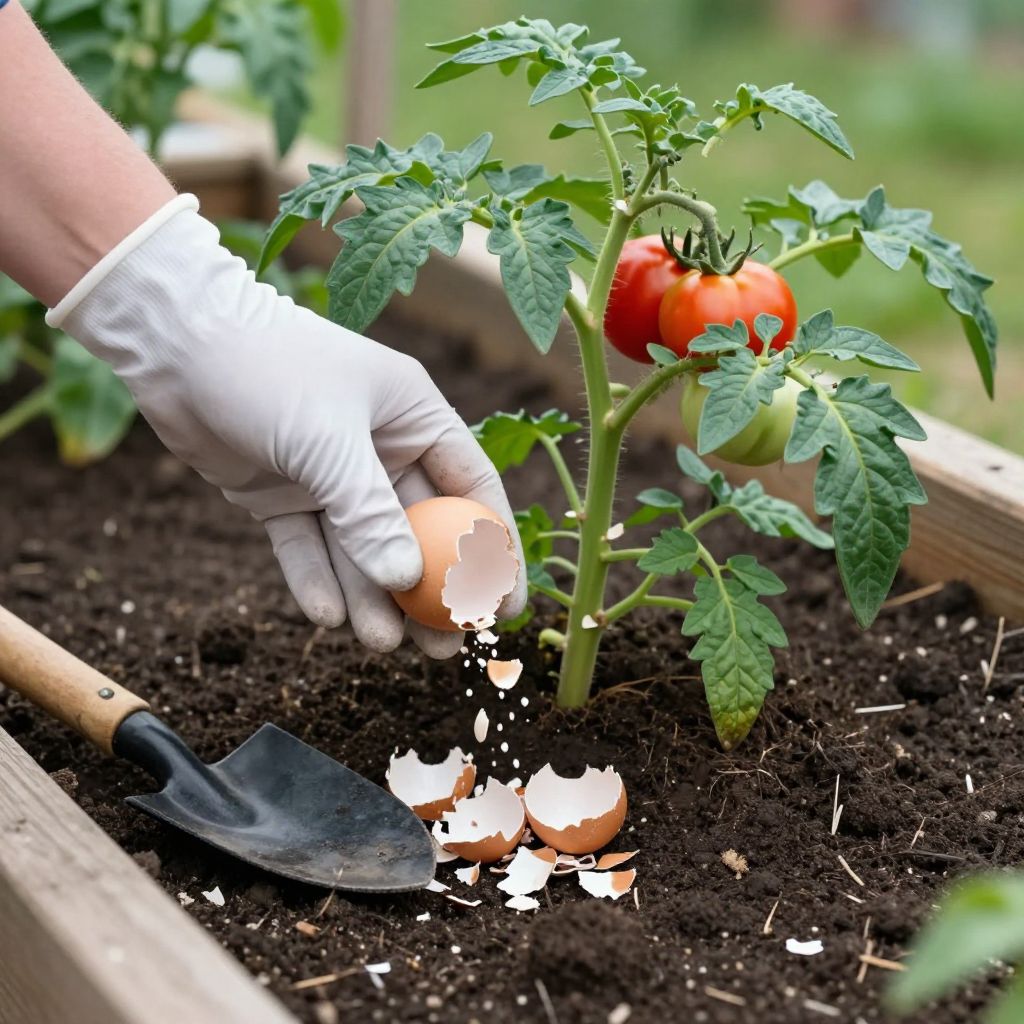
Wondering what plants like eggshells and whether they actually help your garden? Eggshells can be a useful soil amendment, but they are not a quick fix or a complete fertilizer. They work best when used correctly: cleaned, dried, crushed finely, and added to soil or compost in moderation.
If you use them well, eggshells can add calcium and improve soil structure over time. They are especially helpful for certain vegetables and flowers that appreciate calcium-rich conditions, but they will not solve blossom end rot or poor growth on their own.
What plants like eggshells?
Plants that often benefit from eggshells are those that grow best in calcium-rich soil, especially tomatoes, peppers, eggplants, brassicas, and many flowering plants. Eggshells are most useful as a slow, mild soil amendment or compost ingredient, not as an instant plant food. They help most when your soil is low in calcium and you use them with good watering and healthy soil practices.
How eggshells help plants
Eggshells are made mostly of calcium carbonate. As they break down, they can contribute calcium to the soil and slightly improve texture in compost or garden beds.
That said, eggshells decompose slowly. Whole shells may take a long time to break down, so finely crushed shells work much better than large pieces.
What eggshells can and cannot do
- Can help add calcium gradually to compost and soil.
- Can improve soil amendment value when mixed into compost or tilled lightly into beds.
- Can deter some pests a little when used as a rough mulch, though results are inconsistent.
- Cannot fix acidic soil quickly or replace balanced fertilizer.
- Cannot cure blossom end rot by themselves if watering is irregular or roots are stressed.
Best plants for eggshells
Eggshells are most often used around plants that need steady calcium and consistent growing conditions. These are the most common garden plants people ask about.
Tomatoes, peppers, and eggplants
These fruiting vegetables are the classic candidates for eggshell use because calcium deficiency is often discussed with them. In reality, their success depends more on even moisture and healthy roots than on shells alone.
If you grow tomatoes, peppers, or eggplants, eggshells may be a helpful long-term amendment, especially in compost. Use them as part of a broader care routine that includes regular watering and mulch.
Brassicas
Broccoli, cabbage, cauliflower, kale, and Brussels sprouts often do well in fertile, calcium-supported soil. Eggshells can be a reasonable addition if your garden bed is already well prepared with compost.
Leafy greens and salad crops
Lettuce, spinach, and similar greens do not specifically require eggshells, but they can benefit from the slow soil-building effect when shells are added to compost or worked into beds over time.
Flowering plants
Roses, marigolds, zinnias, and many annual flowers may appreciate the soil improvement eggshells can contribute indirectly. The real benefit is usually healthier soil, not a dramatic nutrient boost.
How to use eggshells in the garden
There are several ways to use eggshells, and the best method depends on your goal. For most home gardens, composting or finely crushing them into soil is the most practical approach.
1. Clean and dry the shells
- Rinse out the shells after use.
- Let them dry fully to reduce odor and discourage pests.
- Remove any remaining egg white or membrane if possible.
Dry shells are easier to crush and less likely to attract insects or animals.
2. Crush them finely
The smaller the pieces, the faster they break down. A rolling pin, mortar and pestle, or even your hands can work for dry shells.
Powdered or very finely crushed shells are much more useful than large shards if you want them to influence the soil sooner.
3. Add them to compost
This is usually the best use for eggshells. They mix well with other kitchen and garden waste and can help enrich finished compost over time.
- Mix crushed shells into the compost pile evenly.
- Pair them with green materials like vegetable scraps and grass clippings.
- Turn the pile regularly if you maintain a hot or active compost system.
If your compost is cold or slow, the shells will still help eventually, but they may remain visible for quite a while.
4. Work them lightly into garden soil
You can sprinkle crushed shells around the base of established plants or mix them into planting holes, but do not expect quick results. Light incorporation works better than leaving them on top in large pieces.
Use this method mainly as a soil-building habit, not as an emergency treatment for nutrient problems.
5. Use them as a light mulch barrier
Some gardeners scatter crushed shells around seedlings to discourage slugs and snails. This can help a little, but it is not reliable enough to be your only pest control method.
For best results, combine shell mulch with hand-picking, barriers, and proper watering at the soil level.
When eggshells are most useful
Eggshells are most helpful in gardens that already have good basic care. They work best when you are building soil over time rather than trying to rescue a struggling plant immediately.
- In compost to improve long-term soil quality.
- In vegetable beds that are regularly amended with organic matter.
- In containers only when mixed into the potting mix or compost, not piled on top.
- In acidic or depleted soils as part of a broader soil-improvement plan.
Common mistakes to avoid
Eggshells are easy to use, but a few common mistakes reduce their value.
Using whole shells only
Whole shells break down very slowly. If you want any meaningful benefit, crush them as finely as possible.
Expecting eggshells to replace fertilizer
Eggshells do not provide a full range of nutrients. Plants still need nitrogen, phosphorus, potassium, and other minerals from compost, fertilizer, or healthy soil.
Applying too much at once
A thick layer of shells can sit on the soil surface without doing much. It may also look messy and attract attention from pests or pets.
Ignoring watering problems
For tomatoes and peppers especially, uneven watering is often a bigger issue than calcium supply. If the soil dries out and then gets soaked repeatedly, roots struggle to move calcium through the plant.
Using shells in place of soil testing
If plants show signs of poor growth, a soil test is more useful than guessing. Your soil may need pH correction, compost, or a different nutrient balance altogether.
What to do if plants still have problems
If you have already used eggshells but your plants are struggling, look at the full growing environment. Most plant problems are caused by several factors, not just one missing amendment.
For blossom end rot
On tomatoes, peppers, and eggplants, dark sunken spots at the blossom end are usually linked to inconsistent moisture and calcium movement in the plant. Try these steps:
- Water deeply and evenly.
- Mulch to reduce drying out.
- Avoid overfertilizing with high-nitrogen products.
- Improve drainage if the soil stays soggy.
For poor growth in containers
Container plants may not benefit much from eggshells unless the shells are finely ground and mixed into the potting medium. In pots, the bigger concerns are usually drainage, root space, and regular feeding.
For slug damage
If slugs are still chewing leaves, do not rely on eggshells alone. Try removing hiding spots, watering in the morning, and using physical barriers or other integrated pest control methods.
Practical tips for different garden settings
How you use eggshells should match where your plants are growing. A backyard bed, raised bed, and indoor container all behave differently.
Outdoor beds
In in-ground beds, eggshells are best used as part of compost or lightly mixed into the top layer of soil. Rain, worms, and soil life help break them down over time.
Raised beds
Raised beds often drain well and respond nicely to regular compost additions. Eggshells fit well here, especially if you are building fertile soil year after year.
Containers and indoor plants
For houseplants and patio containers, use eggshells sparingly. Potting mix is a controlled environment, so shells should be finely crushed and added in small amounts, if at all.
Indoor plants usually benefit more from proper potting mix, drainage holes, and balanced feeding than from eggshells alone.
Composting eggshells for better results
Composting is the most reliable way to make eggshells useful. It spreads their benefits through the whole garden instead of concentrating them in one spot.
- Rinse and dry the shells.
- Crush them into small pieces.
- Mix them into your compost pile or bin.
- Balance them with greens and browns.
- Let the compost mature before using it in the garden.
If you compost regularly, eggshells become part of a steady soil-building routine that supports healthier plants over time.
Conclusion
If you were asking what plants like eggshells, the short answer is that tomatoes, peppers, eggplants, brassicas, and many flowers can benefit from them when they are used correctly. Crush the shells finely, compost them when possible, and remember that good watering and healthy soil matter just as much.
For more practical garden care, you may also want to read about how to improve garden soil naturally and common vegetable garden problems and fixes.