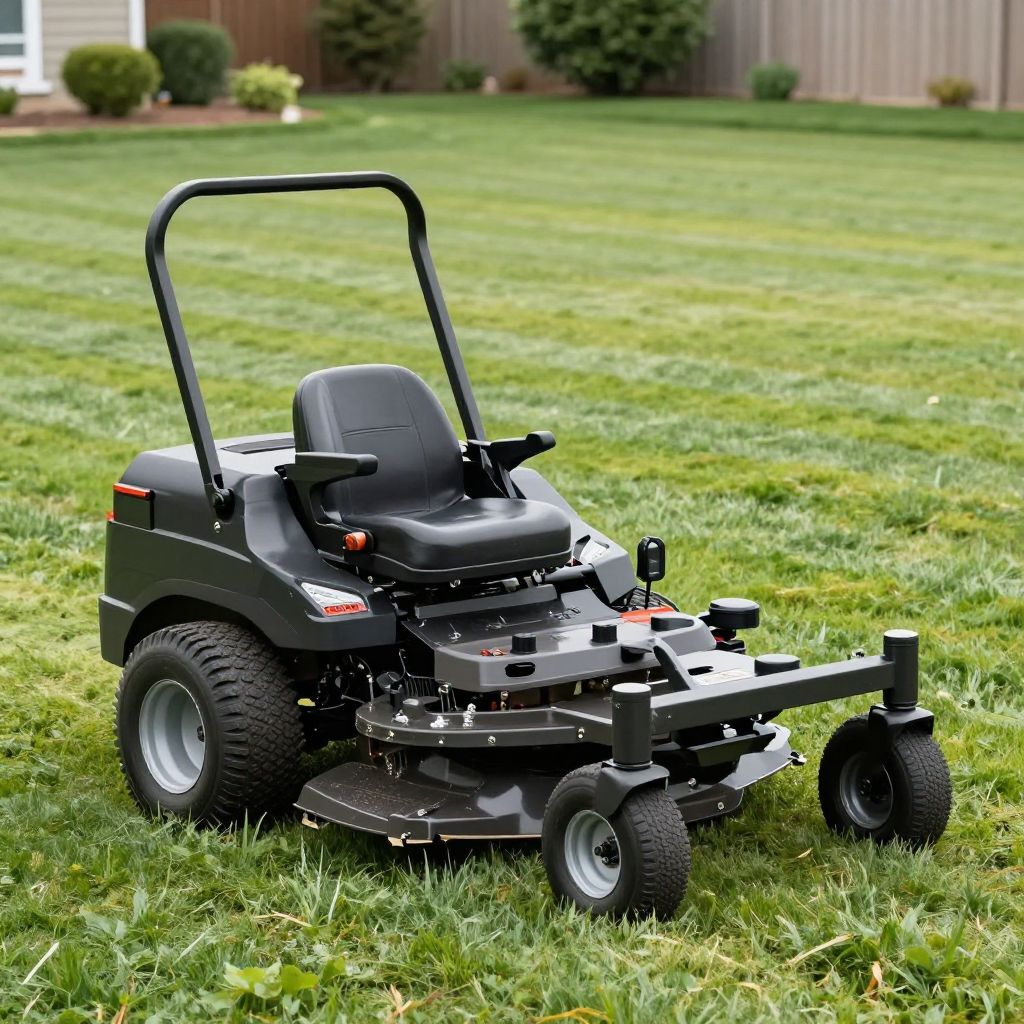
If you’re asking what is the best zero turn mower, the honest answer is: the best one is the mower that matches your lawn size, terrain, budget, and comfort needs. A zero-turn mower can save time and give a cleaner cut, but only if it fits your property and you use it correctly.
This guide helps you identify the right type, compare features that matter, and avoid common buying mistakes. Whether you’re maintaining a small suburban lawn or a larger landscape, the goal is the same: choose a mower that handles your grass well and is easy to maintain.
What is the best zero turn mower?
The best zero turn mower is the one that fits your yard’s acreage, slope, obstacles, and cutting needs. For most homeowners, that means a model with a reliable engine, a durable deck, comfortable controls, and a turning radius that lets you mow efficiently without scalping turf or struggling on hills.
How to identify the right zero turn mower for your yard
Zero-turn mowers are not one-size-fits-all. The right choice depends on how your lawn grows, how often you mow, and what kind of terrain you manage.
1. Match the mower to your lawn size
- Small to medium lawns: A compact residential zero-turn is usually enough.
- Larger lawns: Look for a wider deck and a stronger frame to reduce mowing time.
- Rougher acreage: You may need heavier-duty tires, a more robust transmission, and a reinforced deck.
For a smaller yard, a huge mower can be awkward and may damage turf in tight spaces. For a larger property, an undersized mower can become frustrating and wear you out.
2. Consider your terrain
Flat, open lawns are ideal for zero-turn mowers. If your yard has slopes, drainage swales, roots, or uneven ground, choose carefully.
- Flat lawns: Most zero-turn models perform well.
- Gentle slopes: Look for stable handling and good traction.
- Steeper slopes: A zero-turn may be less suitable than a different mower type, depending on the grade and surface conditions.
Always check the manufacturer’s slope recommendations. A mower that feels responsive on flat turf can become unsafe on hills.
3. Think about obstacles and landscaping
If your lawn has trees, beds, edging, fences, or tight corners, a zero-turn mower can be a major advantage because it pivots tightly. But the deck size matters.
- Narrow gates: Measure before buying.
- Lots of trees and beds: A smaller deck may be easier to maneuver.
- Open lawn with few obstacles: A wider deck can improve efficiency.
Key features that matter most
When people ask what is the best zero turn mower, the answer usually comes down to a few practical features rather than brand hype. Focus on the parts that affect cutting quality, durability, and comfort.
Deck size and cut quality
The deck width affects how much grass you cut in one pass. Wider decks cover more ground, but they can be harder to fit through gates and around landscaping.
- Smaller decks are easier to maneuver in tight spaces.
- Wider decks reduce mowing time on open lawns.
- Deck design influences airflow, discharge, and clipping distribution.
If your lawn is uneven or prone to scalping, a mower with good deck suspension and height adjustment can help protect the turf.
Engine power and transmission
A stronger engine can help the mower maintain blade speed in thicker grass, but power alone does not guarantee a better cut. The transmission and overall build quality matter too.
Choose a mower that can handle your grass density and mowing frequency. If you let grass grow too tall between cuts, even a strong mower may leave clumps or strain on turns.
Comfort and control
You’ll use a zero-turn mower more effectively if it feels comfortable. Look for:
- Adjustable seat support
- Clear control layout
- Easy-to-read deck height settings
- Good visibility around the front of the mower
Comfort matters because fatigue can lead to uneven mowing, missed patches, and poor steering on turns.
Durability and maintenance access
A mower that is easy to service will usually last longer in real-world use. Check how simple it is to access blades, belts, filters, and the battery or engine compartment.
- Look for serviceable parts you can reach without major disassembly.
- Choose a deck that is easy to clean after mowing.
- Check tire quality if your lawn has soft soil or frequent damp spots.
Best zero turn mower types by homeowner need
Instead of searching for one universal “best” mower, it helps to narrow the choice by your lawn care goals.
Best for small residential lawns
Choose a compact zero-turn mower if you want easy storage, better maneuverability, and less turf disruption in tight areas. These are often the best fit for yards with many obstacles and narrower access points.
Best for medium to large lawns
If you mow a larger property, prioritize a wider deck, strong traction, and a comfortable ride. The best zero turn mower in this category should reduce mowing time without sacrificing control.
Best for rougher or more demanding property
For acreage with bumps, dips, or mixed terrain, look for a sturdier frame, better seat support, and tires that provide reliable grip. A mower built for light duty may wear out faster on rough ground.
How to use a zero turn mower for the healthiest lawn
A good mower helps, but mowing habits affect grass health just as much. The right technique can reduce stress on turf and improve appearance.
Set the cutting height correctly
Do not cut too short just because the mower can handle it. Most lawns do better when you remove only a portion of the leaf blade at a time.
- Adjust the deck to suit your grass type and season.
- Avoid removing more than about one-third of the grass blade in a single mow.
- Raise the cutting height during heat or drought stress when appropriate for your lawn type.
Short mowing can make grass look neat briefly, but it can also weaken roots and invite weeds, brown patches, and heat stress.
Mow when the grass is dry enough
Wet grass can clump, clog the deck, and leave wheel tracks. It also increases the chance of uneven cutting.
- Mow after dew dries when possible.
- Avoid mowing immediately after heavy rain.
- If the lawn is damp, slow down and watch for clumping.
Change direction occasionally
Repeatedly mowing in the same pattern can compact soil and encourage the grass to lean one way. Varying your mowing direction helps improve appearance and reduce wear.
Common mistakes to avoid
Many mowing problems come from poor setup or using the wrong mower for the job. These mistakes are easy to avoid once you know what to watch for.
- Buying too much mower for a small, obstacle-filled yard.
- Buying too little mower for acreage or heavy mowing demands.
- Ignoring slopes and using a mower beyond its safe handling range.
- Cutting too low, which stresses turf and exposes soil.
- Letting blades dull, which tears grass instead of cutting it cleanly.
- Skipping cleaning under the deck, which can reduce performance and encourage buildup.
Maintenance tips that keep your mower working well
Even the best zero turn mower performs poorly if it is not maintained. Basic care keeps the cut cleaner and helps the machine last longer.
After each mowing session
- Brush or scrape off grass buildup from the deck.
- Check for wrapped string, twine, or debris around spindles and blades.
- Inspect tires for damage or low pressure if applicable.
Regular upkeep
- Sharpen or replace blades when the cut starts looking ragged.
- Check belts, filters, and fluid levels according to the owner’s manual.
- Store the mower in a dry, sheltered place.
Clean blades and a clean deck matter more than many buyers realize. A mower with dull blades can make healthy grass look stressed, even if the engine is strong.
How to compare models before you buy
If you’re standing in front of several options, use a simple checklist instead of focusing only on price or brand name.
- Measure your lawn and note gates, beds, trees, and slopes.
- Decide whether you need a compact, mid-size, or heavy-duty mower.
- Compare deck width, turning ability, and operator comfort.
- Check maintenance access and parts availability.
- Read the manufacturer’s slope and terrain guidance.
- Choose the model that fits your yard, not just the one with the biggest engine.
Final answer: what is the best zero turn mower?
The best zero turn mower is the one that matches your lawn’s size, terrain, and layout while giving you a clean, comfortable, and safe mowing experience. For many homeowners, that means choosing a mower with the right deck width, reliable traction, easy maintenance, and enough power for the grass you actually grow.
Before you buy, walk your property, measure tight spots, and think honestly about slopes and mowing frequency. If you want more mower-care guidance, you may also find this helpful: what kind of oil does a lawn mower take?