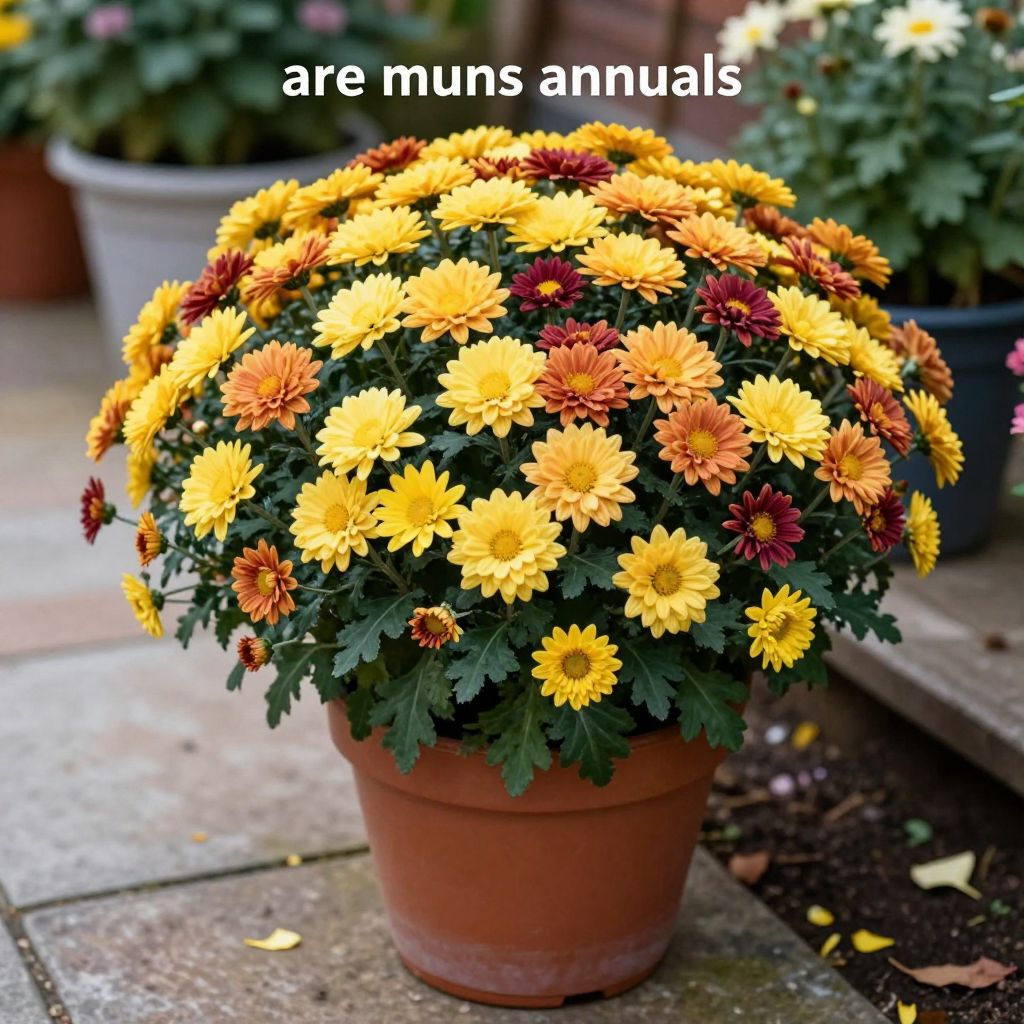
Are mums annuals? The short answer is: they can be either annuals or perennials, depending on your climate, the type of mum you buy, and how well you care for them. Garden mums, also called chrysanthemums, are often sold as seasonal color in fall, but many can come back year after year in the right conditions.
If you want mums to last beyond one season, the key is choosing hardy varieties and planting them early enough to establish roots. With the right sun, soil, and winter protection, you can often keep them going as reliable garden perennials instead of treating them like throwaway annuals.
Are mums annuals?
Mums are not strictly annuals. Most garden mums (Chrysanthemum or Chrysanthemum morifolium types) are perennial in suitable climates, but florist mums and late-purchased container mums are often treated as annuals because they are forced into bloom and may not survive winter well. Whether yours returns depends on hardiness, planting time, and local conditions.
Why mums sometimes behave like annuals
Many people buy mums in full bloom in autumn, enjoy them for a few weeks, and then discard them after frost. That’s because the plant has already used a lot of energy to flower, and if it never gets established in the ground, it may not have enough time to build strong roots before cold weather arrives.
Common reasons mums don’t come back
- They were bought too late in the season to root in before winter.
- The variety is not hardy in your climate.
- They stayed in containers that froze or dried out too quickly.
- Poor drainage caused root rot over winter.
- They were pinched or cut back too late, delaying flowering and reducing winter readiness.
How to tell if your mum is likely perennial
If you want to know whether your mums are annuals or perennials, check the plant label first. Garden mums sold for landscape use are more likely to overwinter than florist mums sold as indoor gifts or temporary décor. Even then, success varies with your winters and how quickly the plant was placed into the garden.
- Garden mums: Usually bred for outdoor planting and better cold tolerance.
- Florist mums: Often grown for indoor display and may be less reliable outdoors.
- Container mums: Can survive if planted early enough and given good drainage.
If the label includes a hardiness range, use that as a guide, but still factor in your soil, snow cover, winter wetness, and whether the plant had time to establish before cold weather.
Best growing conditions for mums
Healthy mums are more likely to survive as perennials when they grow in the right conditions. They prefer full sun, fertile soil, and excellent drainage. In too much shade, they become leggy and bloom poorly. In soggy soil, roots struggle and winter survival drops.
Sunlight
Give mums at least 6 hours of direct sun a day. More sun usually means sturdier stems and better flowering. In very hot climates, some afternoon shade can help reduce stress, but too much shade leads to weak growth and fewer blooms.
Soil and drainage
Mums do best in loose, well-drained soil enriched with compost. Heavy clay can be improved by mixing in organic matter, but avoid planting where water sits after rain. Good drainage is especially important in winter, when wet soil can damage roots more than cold air alone.
Spacing and airflow
Give plants enough space so air can move through the foliage. Crowded mums are more likely to develop fungal problems such as powdery mildew and leaf spot, especially in humid weather or after repeated overhead watering.
How to plant mums so they return
If your goal is to keep mums year after year, plant them in spring or early summer rather than waiting until fall. That gives the roots time to establish before winter. Fall-planted mums may still live, but they are less likely to survive in colder regions.
- Choose a sunny spot with well-drained soil.
- Work in compost to improve soil structure and fertility.
- Dig a hole slightly wider than the root ball.
- Set the plant at the same depth it was growing in the pot.
- Backfill, firm gently, and water thoroughly.
- Mulch lightly after planting, but keep mulch away from the crown.
Avoid planting mums too deep. Burying the crown can encourage rot, especially in wet soil or cool weather.
Watering and feeding mums
Newly planted mums need consistent moisture while they establish, but they should never sit in water. Once established, they prefer evenly moist soil rather than drought followed by soaking. Container mums dry out faster than garden mums in the ground, so check pots often in warm or windy weather.
Practical watering tips
- Water at the base of the plant instead of soaking the leaves.
- Check the top inch of soil before watering again.
- Water more often during hot spells and less during cool, rainy periods.
- Empty saucers under pots so roots do not stay wet.
For feeding, use compost at planting time or a balanced garden fertilizer if your soil is poor. Too much nitrogen can produce lush leaves and fewer flowers, so avoid overfeeding late in the season.
Pruning and pinching for better blooms
Pinching is one of the most useful mum care tasks. It helps create bushier plants with more stems and more flowers. For garden mums, pinching is usually done in spring and early summer, stopping several weeks before expected bloom time so buds can form.
How to pinch mums
- When stems are about 6 to 8 inches tall, remove the top 1 to 2 inches.
- Repeat every few weeks until midsummer, if needed.
- Stop pinching once flower buds begin to form.
If you pinch too late, you may remove the buds and delay flowering. If you never pinch, the plant may grow tall and floppy, especially in rich soil or partial shade.
Winter care for perennial mums
Winter survival is the main difference between mums acting like annuals and mums returning as perennials. In colder regions, the crown needs protection from freeze-thaw cycles and winter wetness. In milder regions, the main concern may be excess moisture rather than extreme cold.
How to overwinter mums in the ground
- Leave the foliage standing after frost if the plant is healthy.
- After the ground begins to freeze, add a light mulch layer around the base.
- Use straw, shredded leaves, or similar loose material.
- Remove heavy mulch gradually in spring as new growth starts.
Do not mulch too early if winters are mild and wet, because warm, damp mulch can encourage rot or pests. Wait until the plant is dormant and the weather has cooled.
Container mums in winter
Plants in pots are more vulnerable because roots are exposed to colder temperatures. If you want to keep a potted mum alive, move it to a sheltered location, such as against a protected wall or into an unheated garage where temperatures stay cold but not severely freezing. Keep the soil just barely moist, not wet.
Common pests and diseases
Mums are fairly tough, but they can still run into trouble. Catching problems early helps the plant stay healthy enough to return next year. Good spacing, clean pruning, and careful watering prevent many issues before they start.
Watch for these problems
- Aphids: Cluster on new growth and buds; rinse off or treat early.
- Spider mites: More common in hot, dry weather; leaves may look stippled or dusty.
- Powdery mildew: White coating on leaves, often in humid or crowded plantings.
- Leaf spot: Brown or black spots, usually worse with wet foliage and poor airflow.
- Root rot: Wilting despite moist soil, often caused by poor drainage.
If disease becomes a recurring issue, remove affected debris in fall and avoid replanting mums in the same poorly drained spot without improving the soil first.
Can you propagate mums?
Yes, mums can be propagated, and division is one of the easiest ways to make more plants. If an established clump survives winter and starts growing strongly in spring, you can divide it to rejuvenate the plant and create new starts.
Simple division method
- Wait until spring when new shoots are 2 to 3 inches tall.
- Dig up the clump carefully.
- Separate healthy outer sections with roots attached.
- Replant divisions promptly in prepared soil.
- Water well and keep evenly moist until established.
Division works best on older garden mums that have become crowded or woody in the center. It is less useful for florist mums that were never established outdoors.
Are mums annuals in containers?
They often are treated that way, especially when bought as seasonal fall décor. A mum in a decorative pot may look great for weeks, but once temperatures drop, the roots are more exposed than they would be in the ground. If you want a container mum to survive, treat it like a living perennial and give it real aftercare.
Container care checklist
- Use a pot with drainage holes.
- Choose a large enough container so roots do not dry out too fast.
- Keep the plant in full sun outdoors while temperatures are suitable.
- Move it to a sheltered spot before hard freezes.
- Repot or plant in the ground if you want long-term survival.
Best uses in the landscape
Mums are useful for borders, front walk plantings, mixed containers, and seasonal color near entryways. When planted in the right place, they can fill the gap between summer flowers and winter dormancy. Their late-season bloom also makes them valuable for pollinators in some gardens, though flowering time depends on the variety and climate.
For the best effect, combine mums with other fall plants that share similar sun and water needs. Keep in mind that tall, floppy mums may need staking in windy sites, especially if grown in rich soil or partial shade.
Quick answers to common mum questions
Will mums come back every year?
Sometimes. Garden mums can return if they are hardy in your area, planted early enough, and grown in well-drained soil with good winter protection.
Should I cut mums back after flowering?
You can leave the stems standing through winter for protection, then cut them back in spring when new growth appears. In very tidy gardens, you may trim dead stems after the plant goes dormant, but avoid cutting too early in cold regions.
Why did my mums die after winter?
The most common reasons are poor drainage, late planting, insufficient hardiness, or root damage from freezing and thawing in pots.
Conclusion
So, are mums annuals? They can be, but they do not have to be. If you want mums to behave like perennials, plant hardy garden mums early, give them full sun and drainage, pinch them for shape, and protect the roots through winter. Start by checking your plant label and choosing the best spot for next season’s success.
For more practical fall planting ideas, you may also want to read about how to care for container plants in cool weather and choosing the best compost for garden beds.